ESAATVInternational Space StationHuman Spaceflight and Exploration
   
Flight plan
ATV mission conceptATV flight phasesATV cargo capacity
Spacecraft
ATV configurationATV Integrated Cargo CarrierATV Service ModuleATV evolution
ATV Missions
ATV-1: Jules VerneATV-2: Johannes KeplerATV-3: Edoardo Amaldi
Operations
Flight operationsATV Control CentreCrew role
Industry
ESA's roleEuropean industry
Downloads
ATV newspaper (pdf)ATV-1 Jules Verne Information Kit (pdfs)ATV-1 Jules Verne factsheet 2008 (pdf)
Multimedia gallery
ATV image galleryATV video gallery
Services
Bookmark and Share


News
 
printer friendly page
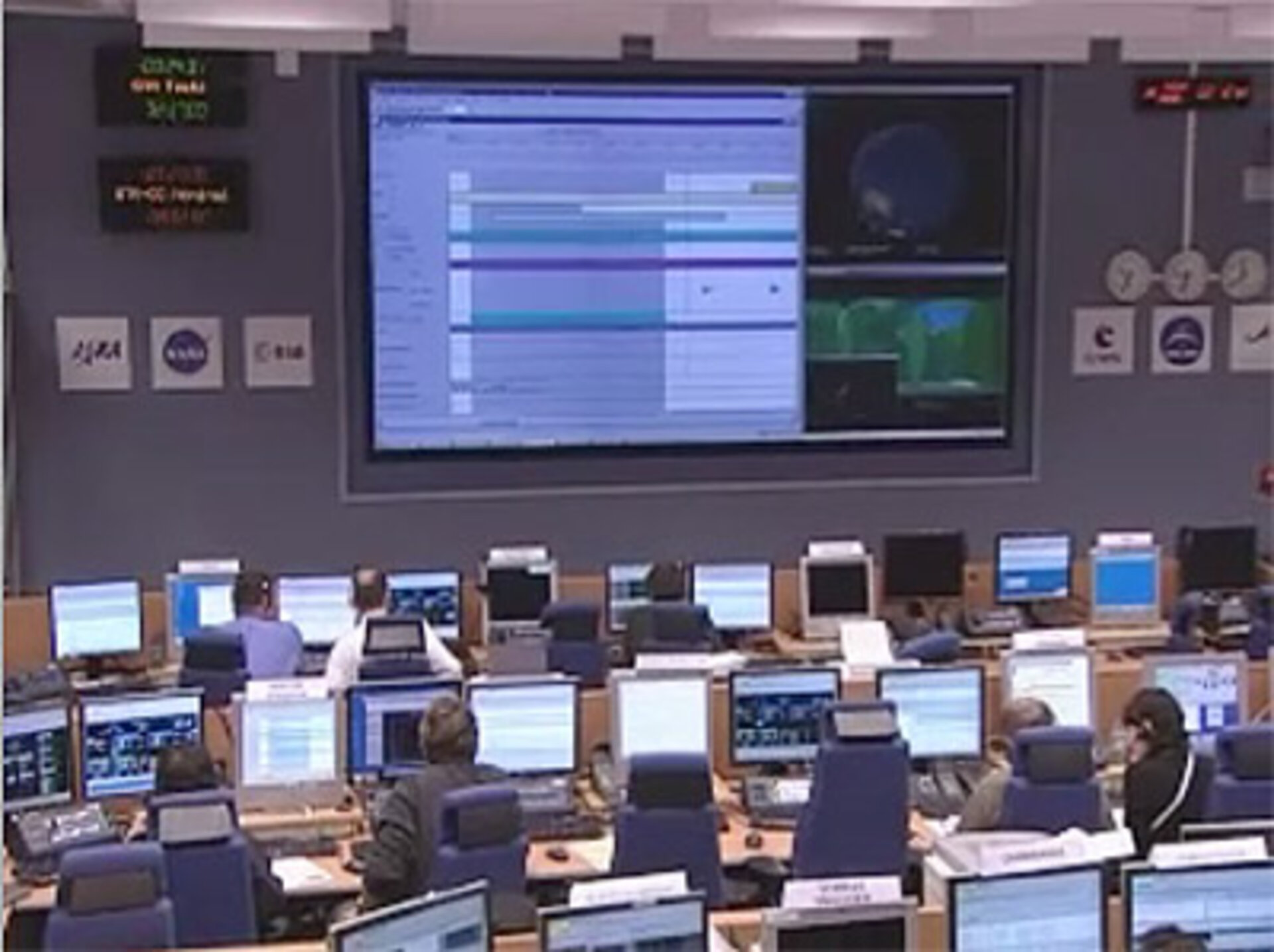
ATV control room
--
ATV: Closing in on the target
 
1 April 2008
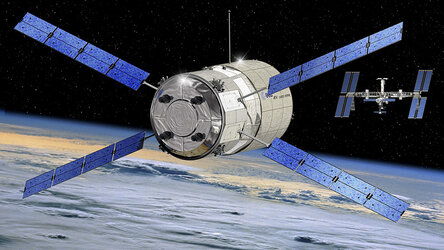
Europe’s Automated Transfer Vehicle introduces a new generation of spacecraft, capable of entirely automated rendezvous and docking. To close in on its target it will rely on two laser-based sensors, a telegoniometer and a videometer.

Vodcast

Play now | Download
 
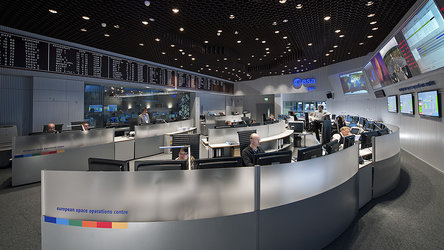
Jules Verne ATV’s laser rendezvous sensor will emit a signal and receive a reflection back from the International Space Station. Engineers at the ATV Control Centre and the astronauts on board ISS will monitor the spacecraft as it approaches for docking, making sure it follows a predefined corridor and that the spacecraft is flying at the right angle.

This complex system has back-up layers which will kick in if there are any problems. But should its two redundant chains break down, the ATV has a third, totally independent monitoring and safing unit which can be triggered to order the spacecraft to safely back-off from its target and return to its usual cruise mode.  



Related videos
ATV orbital rehearsals ATV's space cargo New generation vehicle Rendezvous in space ATV Control Centre Automated Transfer Vehicle (ATV)
Spacecraft Operations
iTunesPodcastYahoo! PodcastsRSS Podcast ESApodLearnoutloudPodcastnetPodnova PodcastESApod
Required software
 Windows Media Player QuickTime


   Copyright 2000 - 2010 © European Space Agency. All rights reserved.