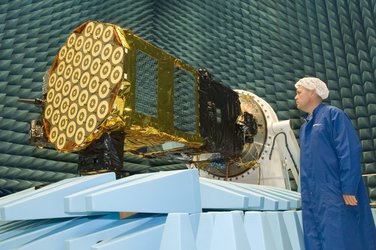
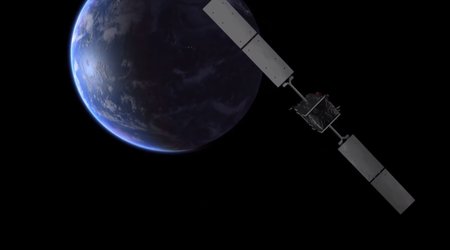
Galileo satellite GIOVE-B presented at ESA/ESTEC
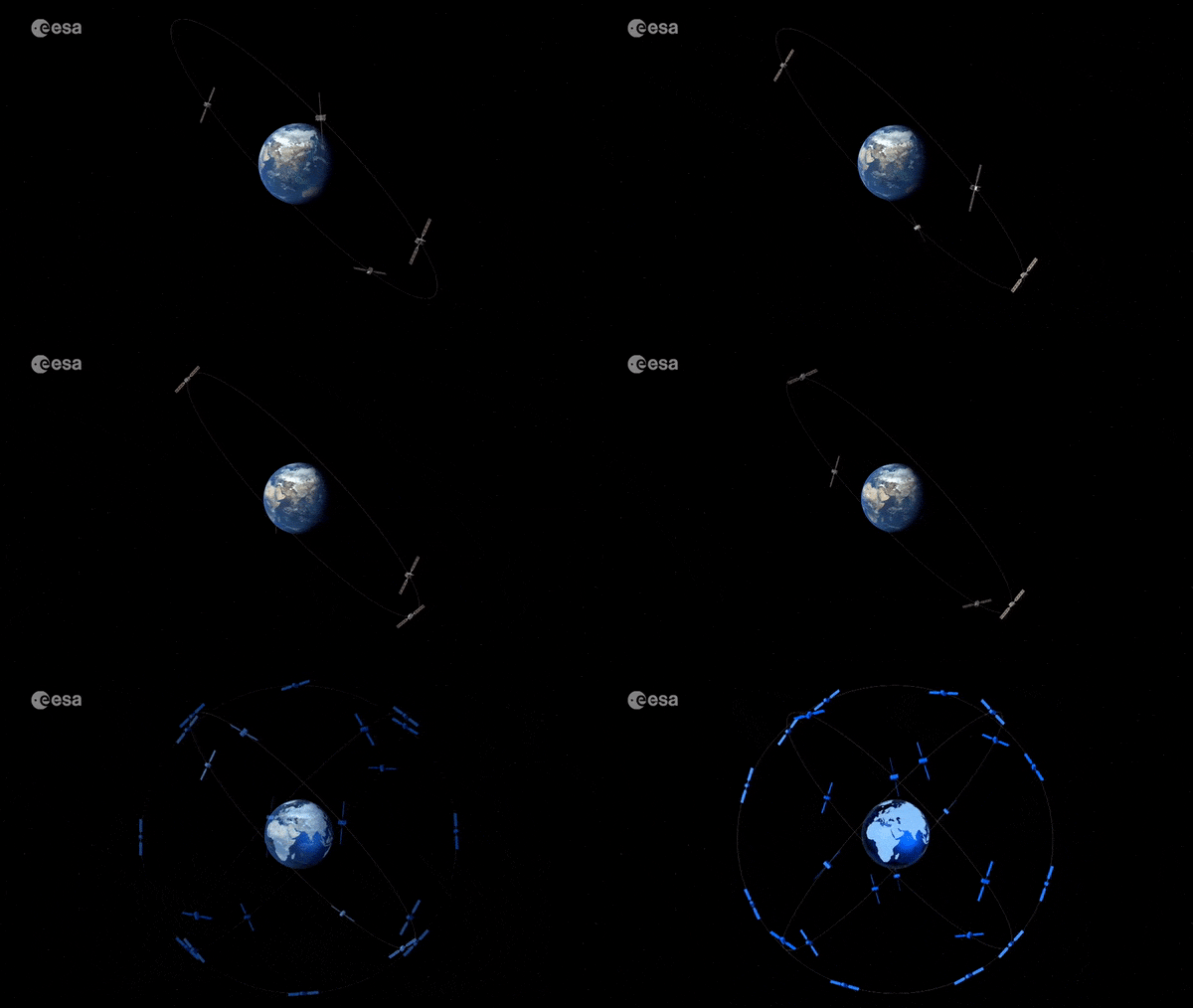
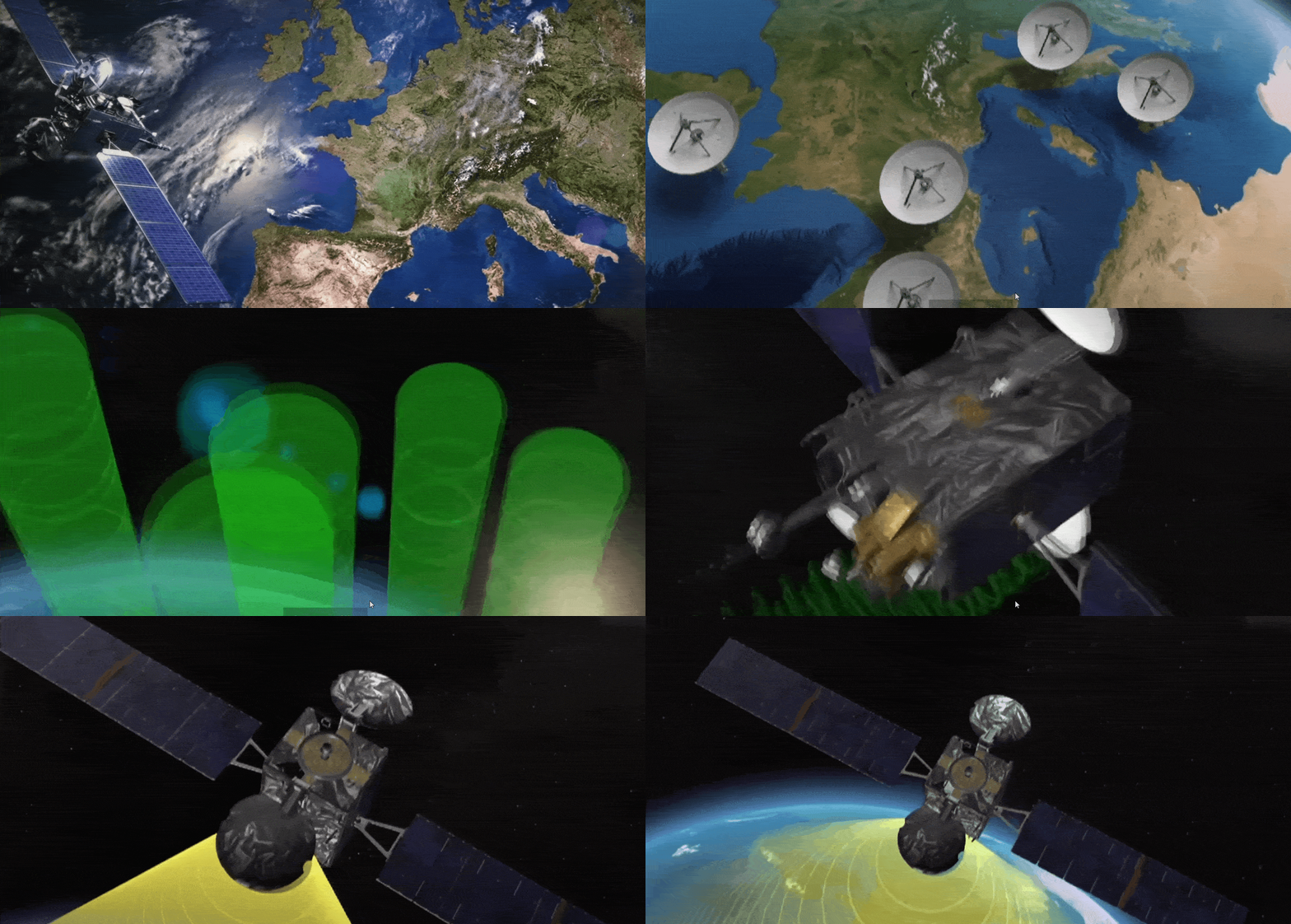
ESA PR 11-2008. Europe is building its own satellite navigation system, Galileo, which will deliver a new, advanced global civil positioning service for the benefit of citizens in Europe and throughout the world.
The foundations of Galileo are currently being laid through what is known as the In-Orbit Validation phase. This includes the launch of pilot satellites. In 2005, GIOVE-A was placed in orbit by a Soyuz launcher from Baikonur, and since then, Galileo signals have been broadcast by GIOVE-A and received all around the globe.
Now the second Galileo satellite, GIOVE-B, is being prepared for launch at the end of April, again from Kazakhstan. GIOVE-B is at present going through the final environmental test campaign at the test facilities at ESTEC, the European Space Agency’s research and technology centre in the Netherlands at Noordwijk.
This second Galileo satellite will continue the validation of the critical technologies that need to be developed in Europe for the success of the Galileo programme. Furthermore GIOVE-B will test the most accurate atomic clock ever flown in space, which will contribute to the quality of the Galileo system performance.
The programme at ESA/ESTEC is as follows:
| 10.30: | Arrival and registration at ESA/ESTEC. |
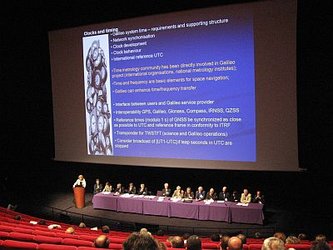
| 11.00: | Introduction to ESA's Navigation Programmes by Giuseppe Viriglio, ESA Director of Telecommunication and Navigation. |
| 11.15: | Presentation of Galileo, a major initiative for the European Union, by Paul Verhoef, Head of Galileo Unit, DG TREN European Commission. |
| 11.30: | Presentation of GIOVE-B and the Galileo In-Orbit Validation Phase by Javier Benedicto, ESA Galileo Project Manager. |
| 11.45 | Questions & answers. |
| 12.15: | Buffet / Interview opportunities. |
| 13.00: | Visit of spacecraft at the Test Centre / Visit of Navigation lab (in groups). |