3 November
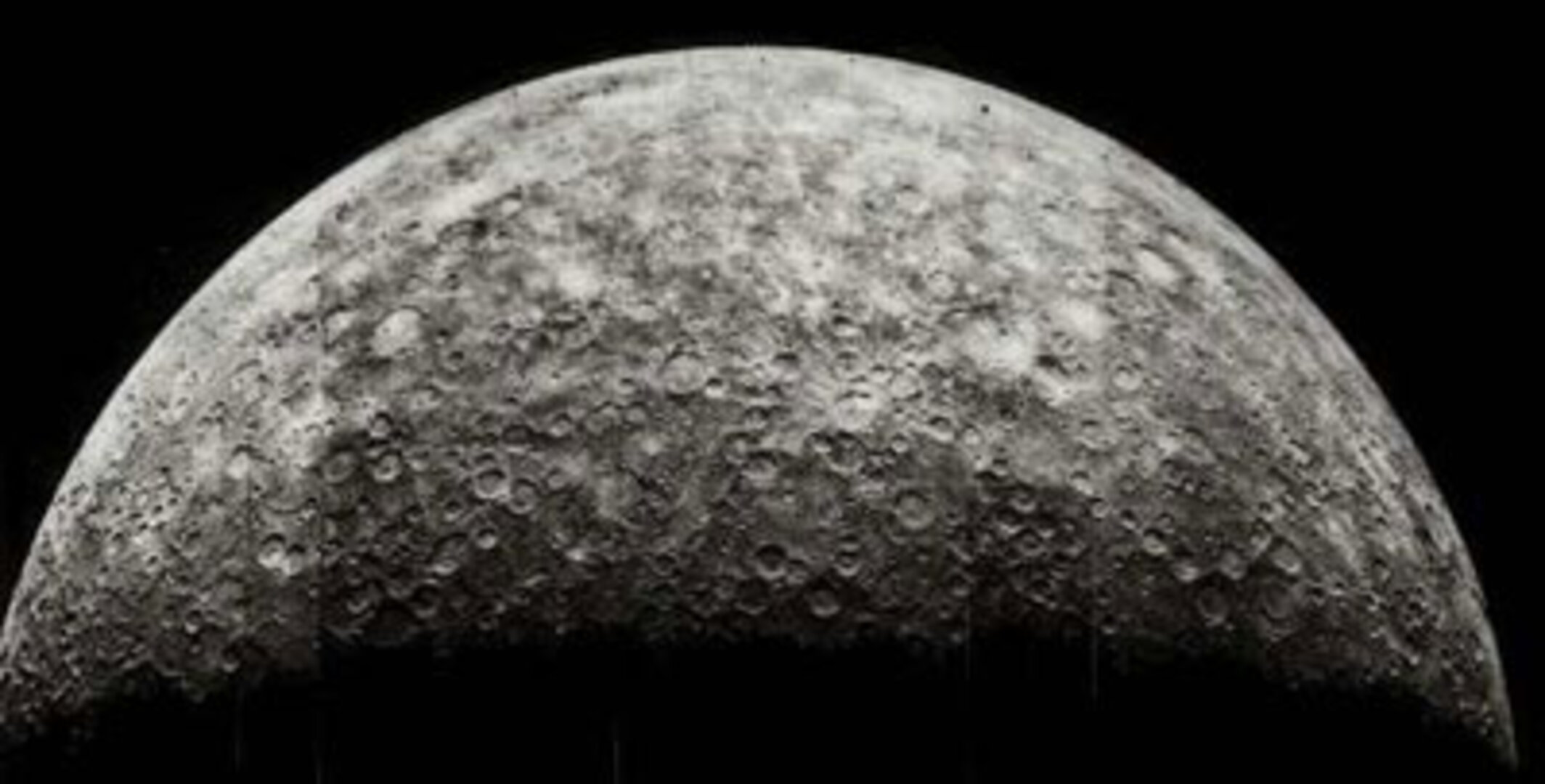
1973: On 3 November 1973, Mariner 10 was launched.
Mariner 10 used Venus as a gravity assist to enable it to reach Mercury in 1974. During the fly-by, the spacecraft returned the first close-up images of the Venusian atmosphere in ultraviolet, revealing previously unseen details in the cloud cover.
Mariner 10 eventually made three fly-bys of Mercury from 1974 to 1975 before running out of attitude control gas. The probe revealed Mercury as a heavily cratered world with a mass much greater than previously thought. This would seem to indicate that Mercury has an iron core, which makes up 75 percent of the entire planet.
1957: On 3 November 1957, a Siberian husky dog named Laika was sent into space in Sputnik II. She was the first living creature launched into space.
Biological data was returned for approximately a week (the first data of its kind). The data showed scientists how Laika was adapting to space - information important to the manned missions already being planned.
Laika was considered a hero in the Soviet Union. The first human to pilot a spacecraft, Yuri Gagarin, followed in 1961, on board Vostok I.