
Rosetta overview
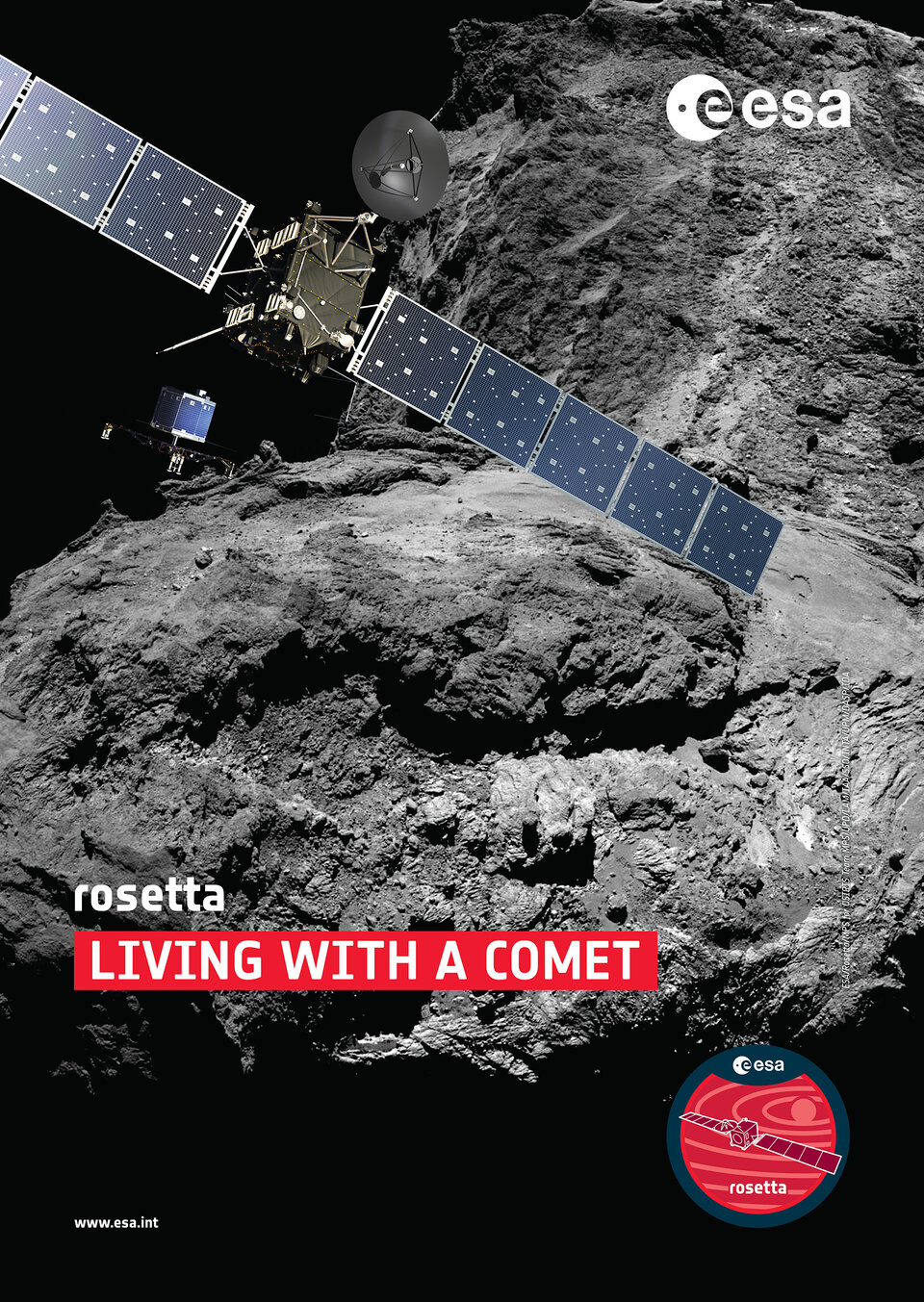
Status: Completed
Objective: To rendezvous with Comet 67P/Churyumov-Gerasimenko and to study the nucleus of the comet and its environment for nearly two years, and land a probe on its surface.
Mission
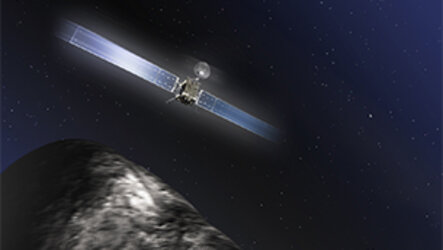
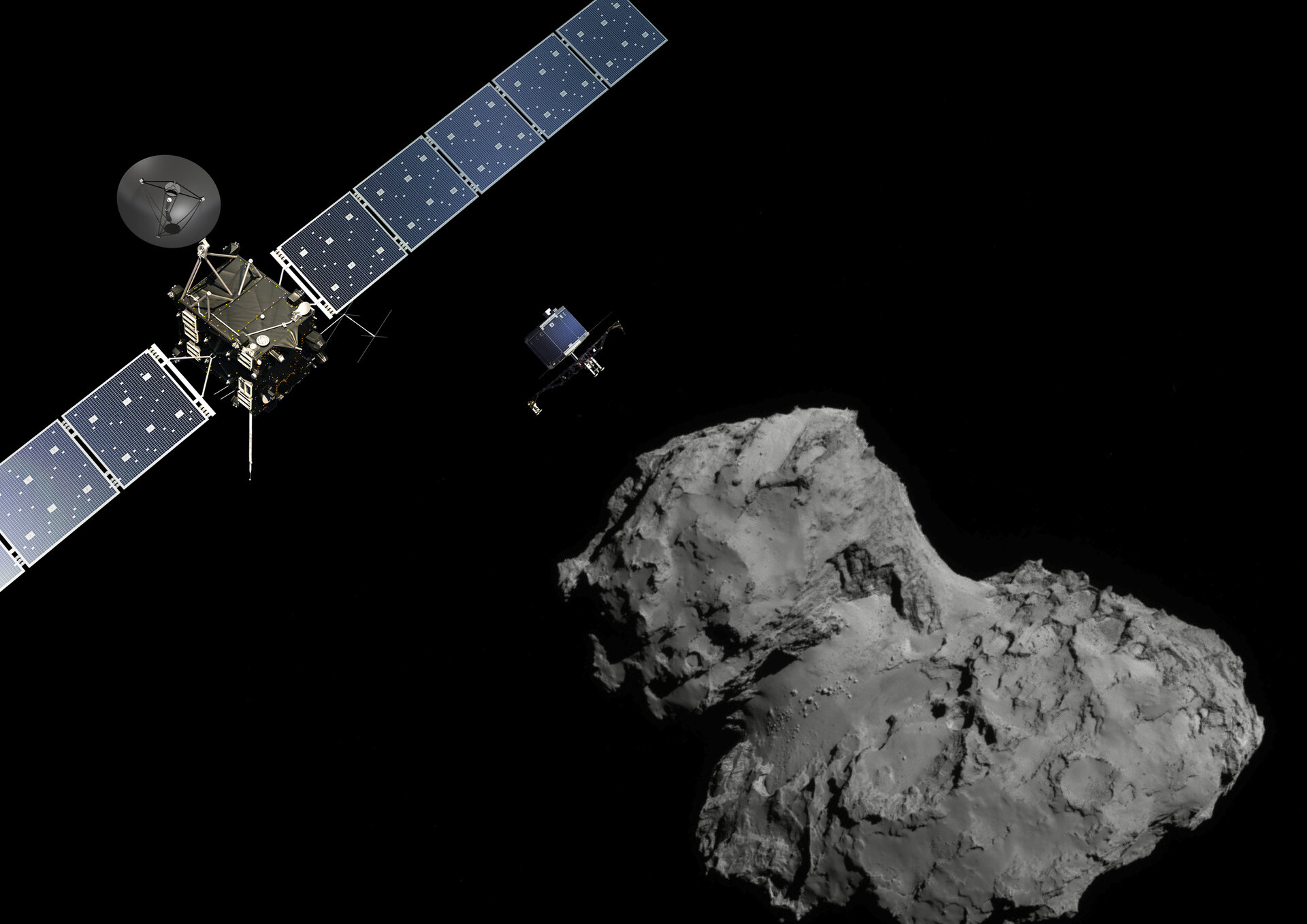
Rosetta made the most detailed study of a comet ever attempted. It followed the comet on its journey through the inner Solar System, measuring the increase in activity as the icy surface was warmed up by the Sun, and mapping its surface features and composition. The lander Philae took images and sampled the environment of its landing site
What’s special?
Comets are considered the primitive building blocks of the Solar System, and likely helped ‘seed’ the Earth with water, and maybe even life. By studying the nature of the comet’s dust and gas, Rosetta's data helps scientists learn more about the role of comets in the evolution of the Solar System.
Rosetta was the first mission ever to orbit a comet’s nucleus and land a probe on its surface. It was also the first spacecraft to fly alongside a comet as it head towards the inner Solar System, watching how a frozen comet is transformed by the warmth of the Sun.
Rosetta was the first space mission to journey beyond the main asteroid belt relying solely on solar cells for power generation, rather than the traditional radio-isotope thermal generators. The new solar-cell technology used on the orbiter's two giant solar panels allowed it to operate over 800 million kilometres from the Sun, where sunlight levels are only 4% of those on Earth.
Spacecraft
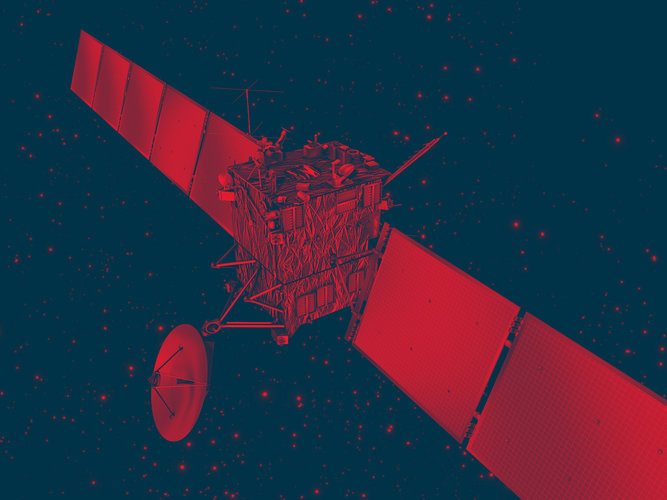
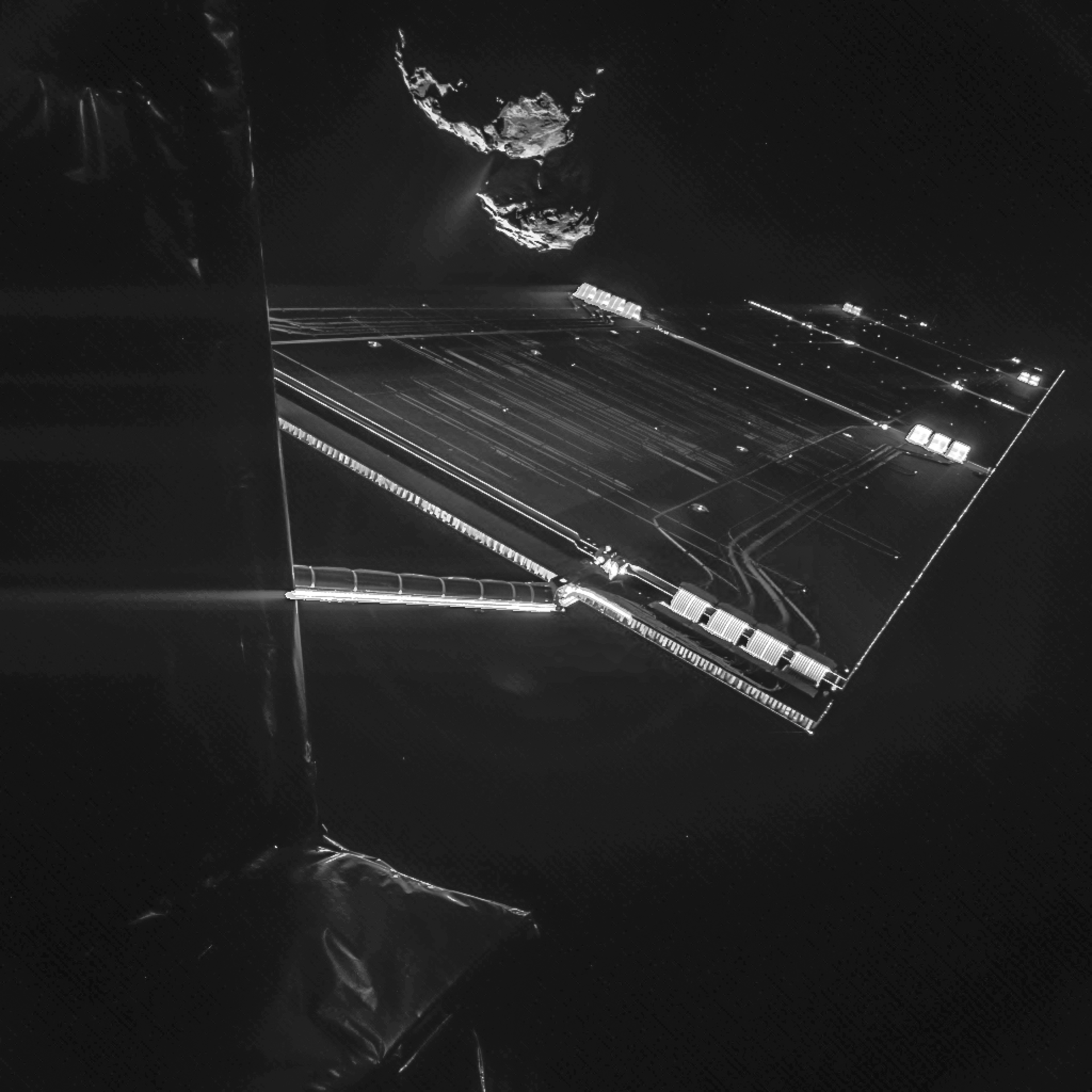
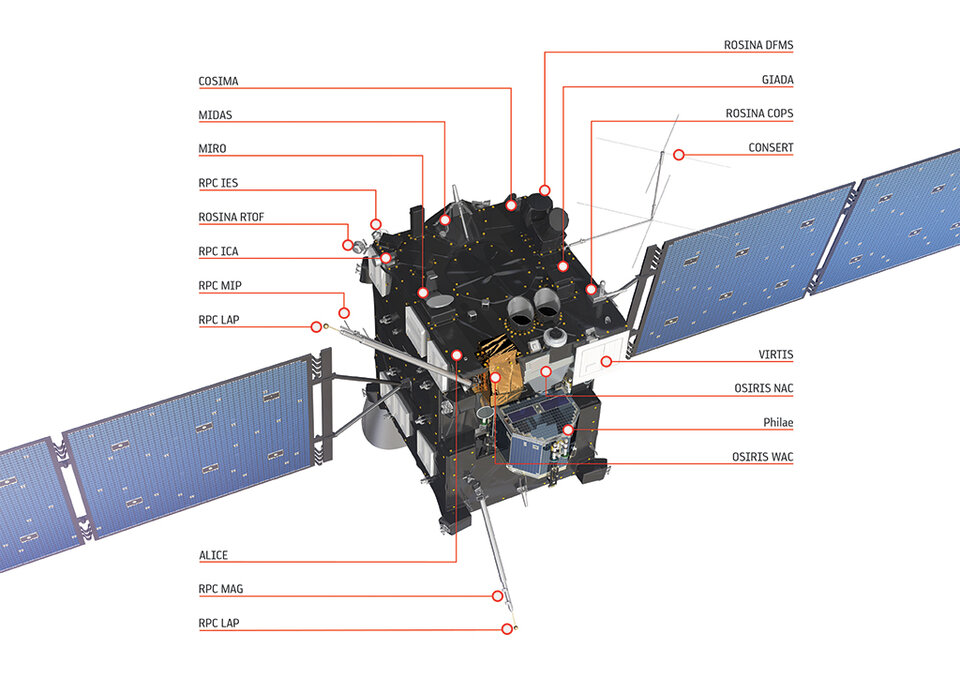
The main spacecraft measured 2.8 x 2.1 x 2.0 m with two 14 metre long solar panels. It carried instruments for remote sensing and radio science, and instruments to study the composition, mass distribution and dust flux of the comet’s nucleus, as well as the comet plasma environment and its interaction with the solar wind.
The orbiter’s 11 scientific instruments were accommodated on one side of the spacecraft, which typically faced the comet during the operational phase of the mission. Until its release, the 100kg Philae lander was carried on the opposite side of the orbiter to the large high-gain antenna dish.
Journey
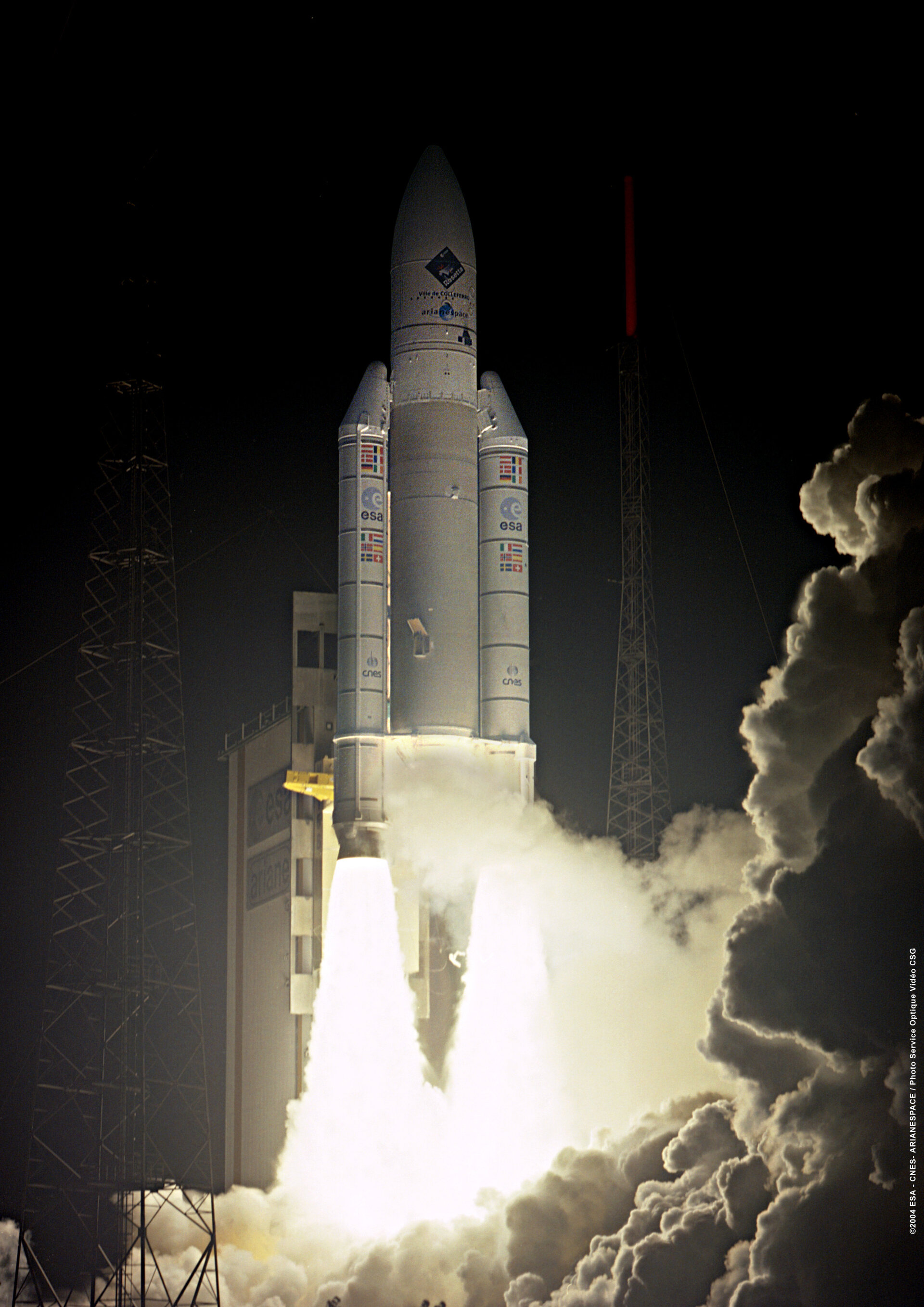
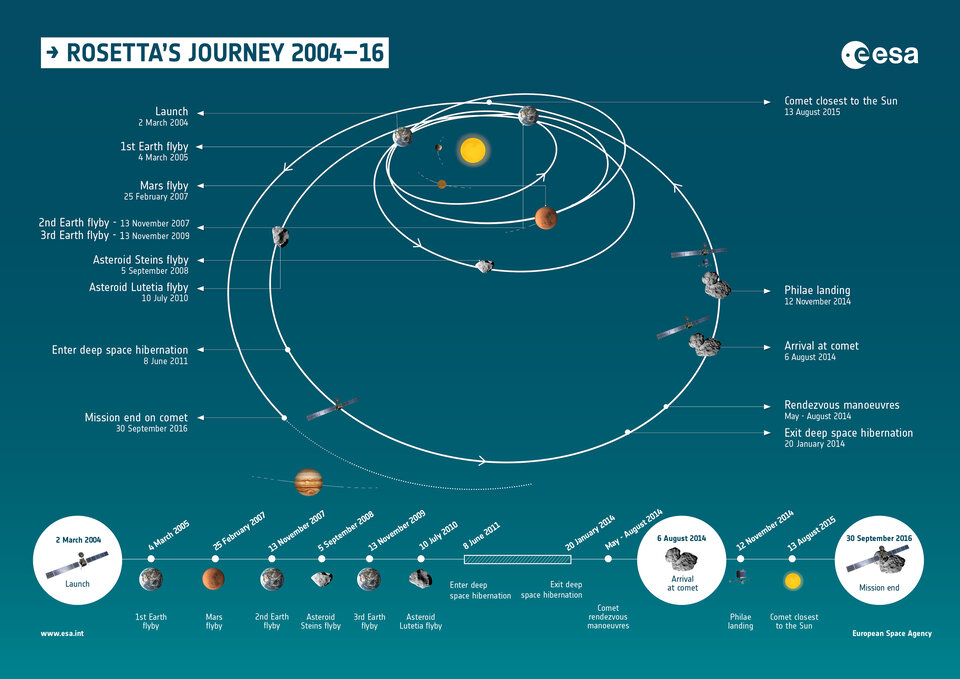
Rosetta launched on 2 March 2004 by an Ariane-5 G+ from Europe’s spaceport in Kourou, French Guiana. To place it on the required orbit to rendezvous with Comet 67P/ Churyumov-Gerasimenko it received four gravity assist manoeuvres: 3 from Earth (4 March 2005, 13 November 2007 and 13 November 2009) and 1 from Mars (25 February 2007).
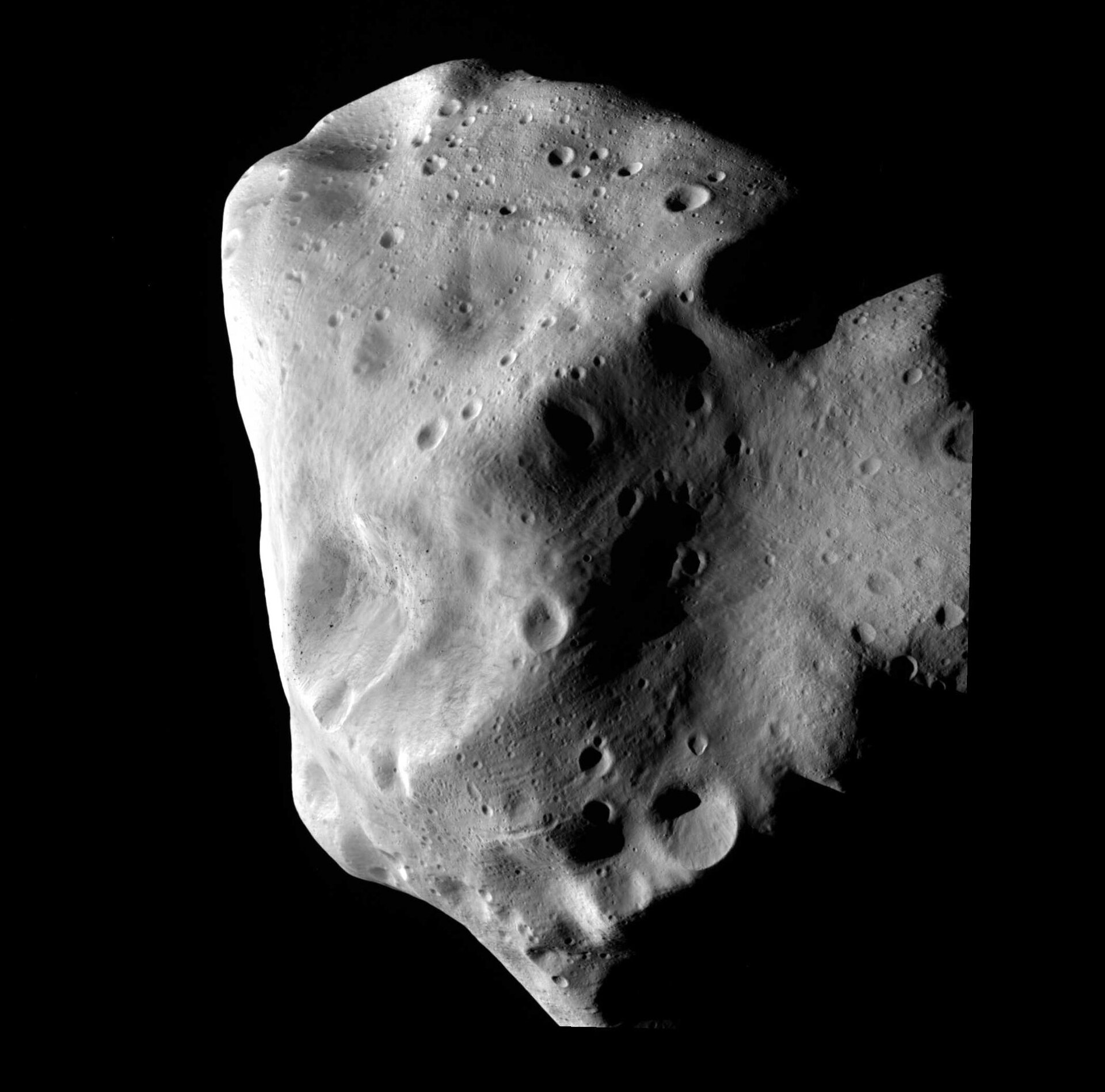
Rosetta also passed by and imaged two asteroids: 2867 Steins on 5 September 2008 and 21 Lutetia on 10 July 2010.
The spacecraft entered deep space hibernation in June 2011 and woke up in January 2014, before rendezvousing with Comet 67P/ Churyumov-Gerasimenko in August 2014. The lander, Philae, was delivered to the comet’s surface in November 2014. Rosetta followed the comet around the Sun and as it moved back out towards the orbit of Jupiter. The mission ended with a controlled descent of Rosetta to the surface of the comet.
History
The International Rosetta Mission was approved in November 1993 by ESA's Science Programme Committee as the Planetary Cornerstone Mission in ESA's long-term space science programme. The mission goal was originally set for a rendezvous with comet 46 P/Wirtanen. After postponement of the initial launch a new target was set: Comet 67 P/Churyumov-Gerasimenko.
Rosetta gets its name from the famous Rosetta stone that led to the deciphering of Egyptian hieroglyphics almost 200 years ago. Similarly, scientists hoped that Rosetta would unlock the mysteries of how the Solar System evolved.
Partnerships
The orbiter's scientific payload was provided by scientific consortia from institutes across Europe and the United States.
The lander was provided by a European consortium headed by the German Aerospace Research Institute (DLR). Other members of the consortium are ESA, CNES and institutes from Austria, Finland, France, Hungary, Ireland, Italy, and the United Kingdom.