Applications
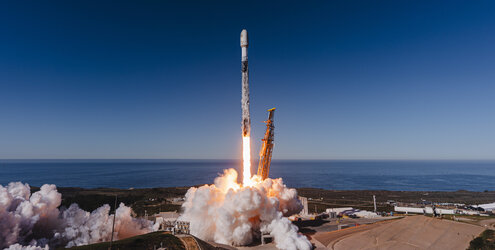
HydroGNSS satellite: Scouting for water
While one satellite features here, the HydroGNSS mission consists of two identical microsatellites orbiting Earth on opposite sides of the planet,180 degrees apart, to provide maximum global coverage.
Using a technique called Global Navigation Satellite System (GNSS) reflectometry, this ESA Scout mission provides measurements of key hydrological climate variables, including soil moisture, freeze–thaw state over permafrost, inundation and wetlands, and above-ground biomass. The HydroGNSS satellites measure the signal reflected off the land, ice and ocean from existing GNSS missions such as Galileo and GPS.