Applications
ROSE-L team
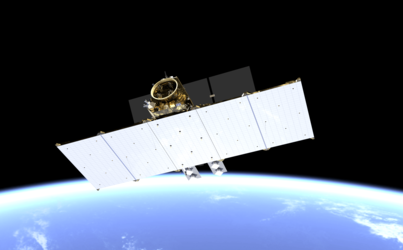
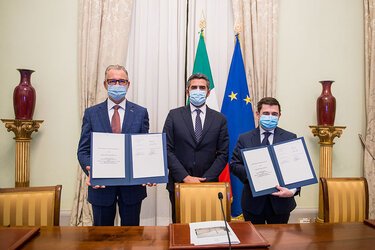
A structural model of the upcoming Copernicus Radar Observing System for Europe at L-band satellite, or ROSE-L for short, has recently been put through a series of demanding tests – including intense vibration – to demonstrate that the satellite will be able to withstand the stresses of launch and operations in orbit. The photograph shows the team the Thales Alenia Space and ESA teams in Italy during the five-week testing campaign.
Once the satellite is in orbit, ROSE-L’s data will support a wide range of applications, from soil moisture and crop monitoring to forest mapping, maritime surveillance, and the detection of natural and human-induced hazards.
Read full story: ROSE-L given the shakes