About human and robotic exploration
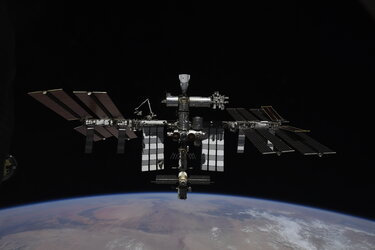
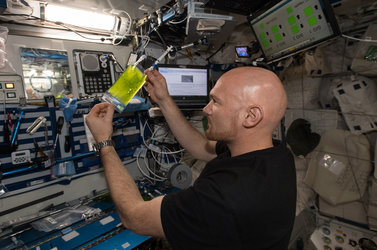
Our aim is to implement Europe's participation in the development of space infrastructure, such as the International Space Station, which makes it possible to perform experiments in a weightless environment, very different from that we have on Earth.
We also support the development of research and technologies in space - on the International Space Station but also on European sounding rockets, parabolic flights as well as drop towers. This research and technology development will benefit people on Earth and prepare Europe for new challenges of human space exploration.
ESA people who work on these projects come from all ESA’s member states and cover a variety of disciplines mainly oriented towards engineering and science. In view of the size of the projects (our annual budget is around 500 million Euro), strategic and legal matters are also very important. Furthermore education of young generations that will support and ensure the continuation of our work is fundamental.
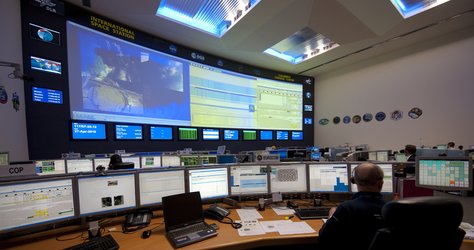
The International Space Station needs a crew to operate it and ESA has an astronaut corps, who are constantly training for upcoming missions. They are supported by a team of ground operators and trainers who work in European centres. In total, some 4000 highly skilled people around Europe are directly involved in achieving these goals.

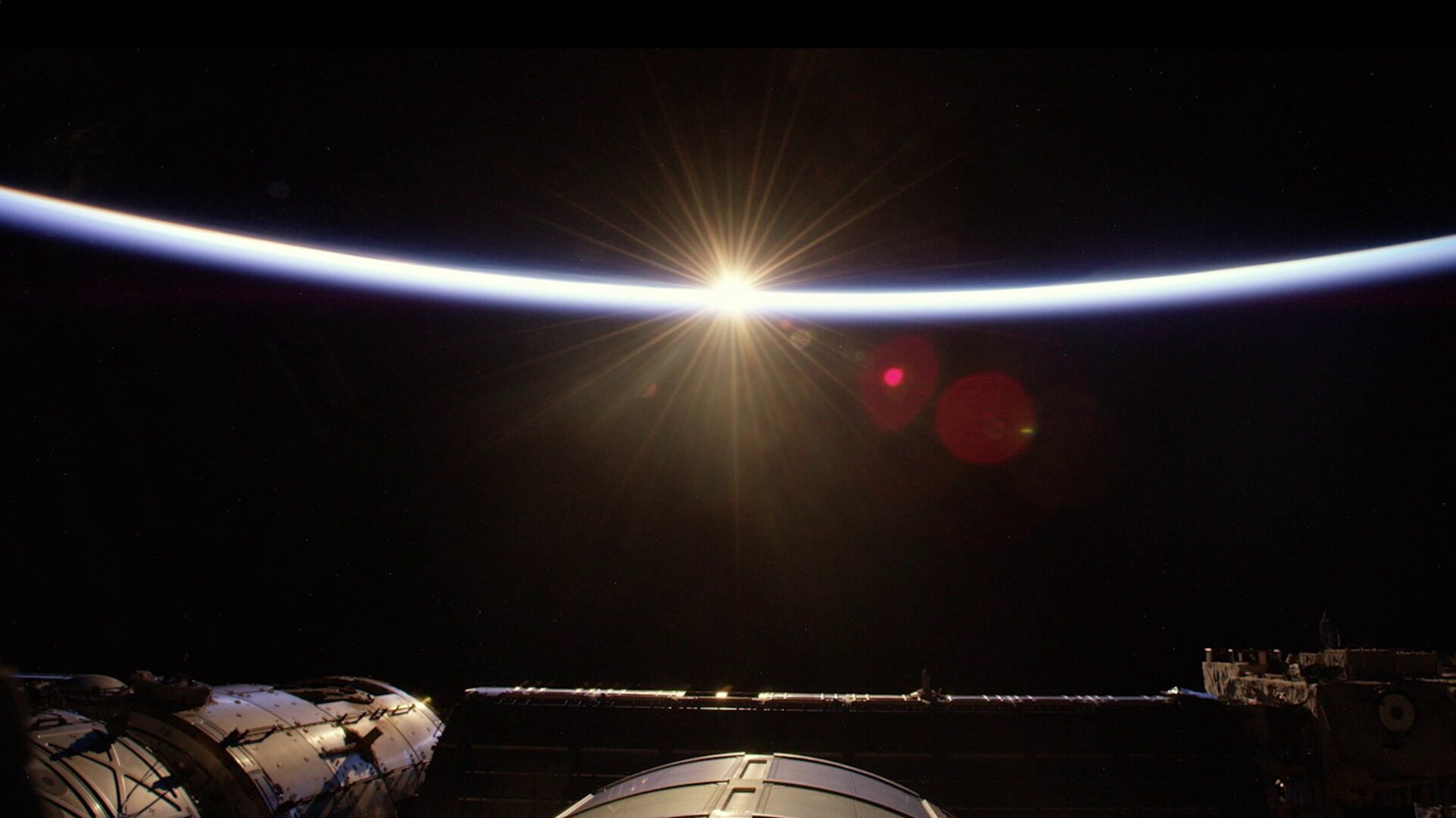
Access the video
ESA’s future for human spaceflight and robotic exploration is a sustainable and international endeavour to visit new places and discover new things. Exploring space is about travelling further and coming back with new experiences and knowledge to help us on Earth.
Our strategy includes three destinations where humans will work with robots to gather new knowledge: low-Earth orbit on the International Space Station, the Moon and Mars.
The exploration programme includes Europe’s service module for NASA’s Orion spacecraft, a landing on the Moon with Roscomos’ Luna and drilling into Mars with ESA’s ExoMars rover.
A space gateway farther afield than the International Space Station is considered as a springboard for exploration beyond the Moon.
Robots will work hand in hand with astronauts and ground control to scout ahead, prepare landing sites and go to places too dangerous or impractical for humans.