Learning how to catch a spacecraft
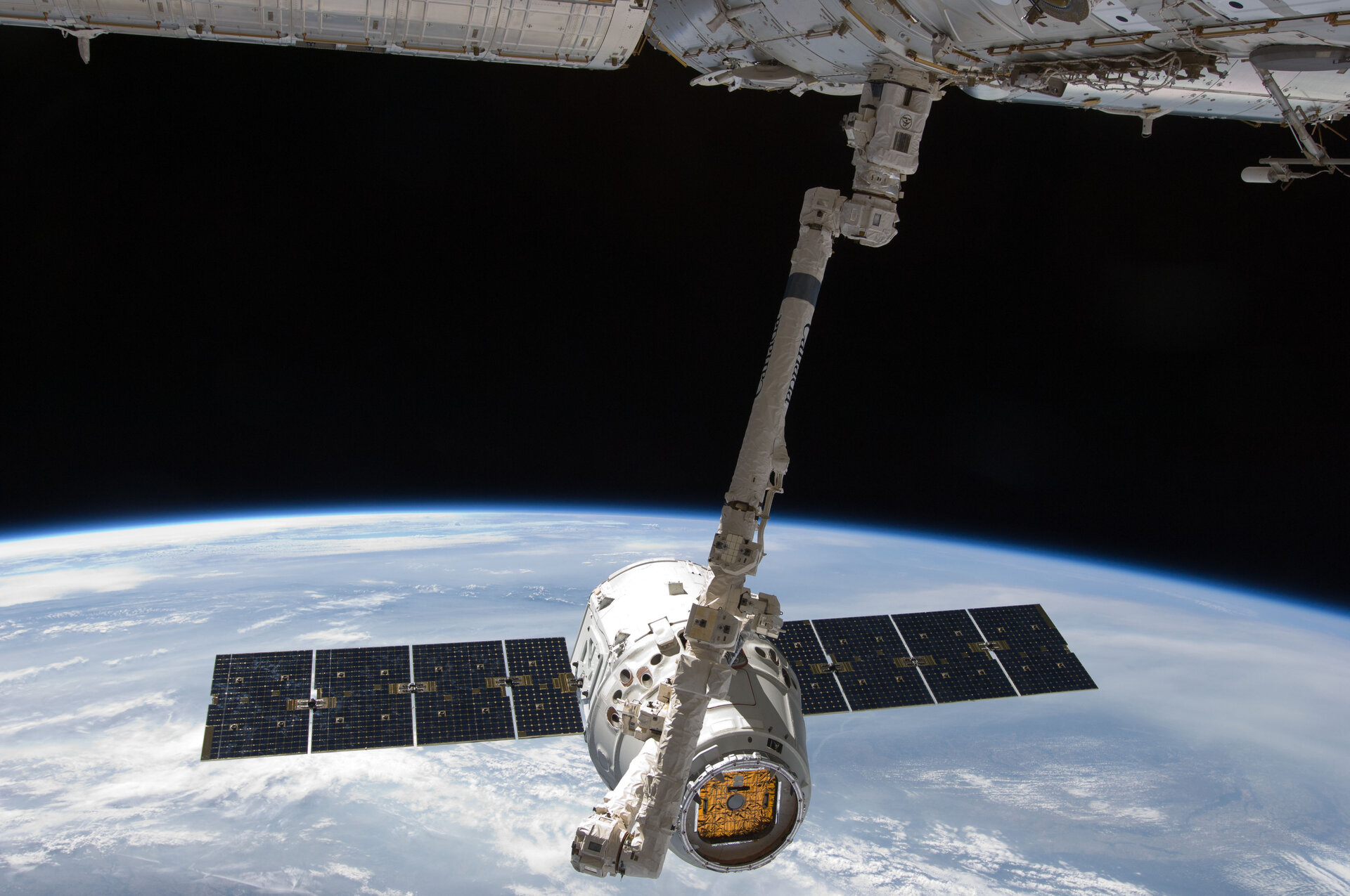
ESA’s new astronauts are training to operate the International Space Station’s robotic arms. Imagine using two joysticks to work a long mechanical arm that can only be seen via cameras and occasionally through a window – and all in weightlessness.
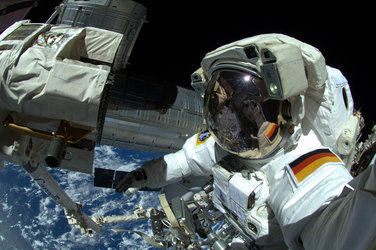
Robotic arms on the Station are used to grab and berth cargo vessels such as Japan’s HTV and the American Dragon and Cygnus. They can also help astronauts during spacewalks or even replace a spacewalk altogether.
All astronauts flying to the orbital outpost are required to be certified operators of the robotic arms. This highly skilled task requires specially trained teachers and courses.
Fortunately, ESA’s astronauts receive thorough grounding in generic robotics during their basic training at the European Astronaut Centre in Cologne, Germany.
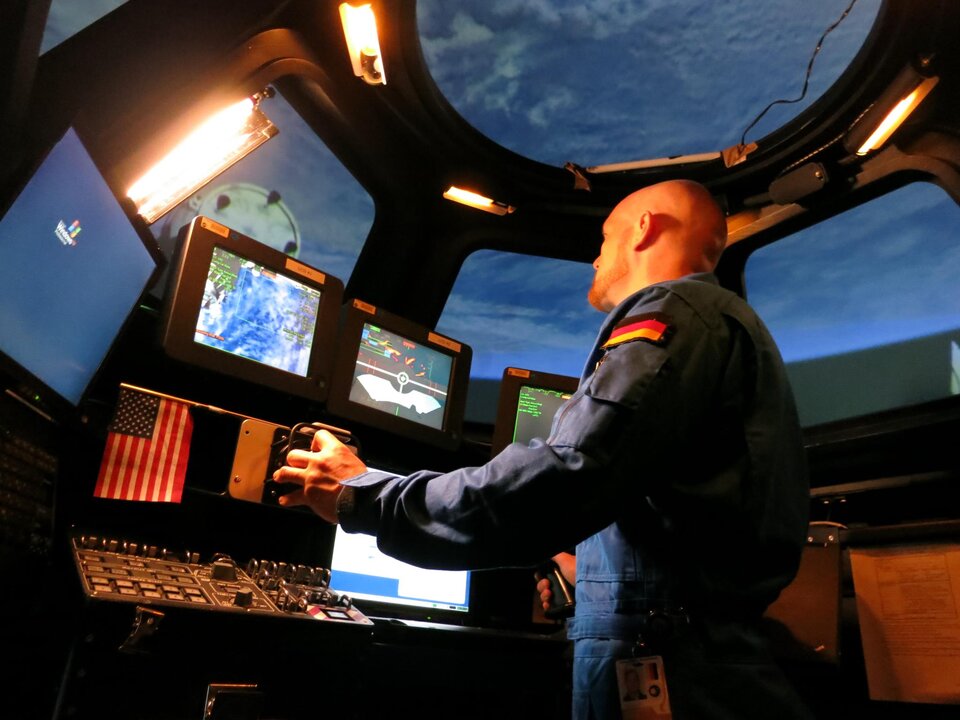
Generic robotics training includes 30 hours of instruction spread over 12 lessons with just as much time dedicated to homework. To make sure the astronaut trainees are keeping up with the pace, they face three exams as part of the course.
When learning new skills it is always good to learn from people with hands-on experience. ESA astronauts Frank De Winne and Leopold Eyharts offered practical advice and took part in the exams.
After trainees pass the final exam at the astronaut centre in Germany, they are ready to continue with NASA and the Canadian Space Agency. ESA astronaut Alexander Gerst was recently in NASA in Houston, USA, while ESA astronaut Samantha Cristoforetti was with the Canadian Space Agency in Montreal, Canada.
ESA instructors Richard Moss and Lionel Ferra designed a refresher course that the astronauts can use to keep up their skills.

“To best prepare our crew for robotics on the Space Station, we designed lessons underlining cornerstone skills to be maintained until they go to Montreal and Houston,” says Lionel Ferra
“The refresher sessions form a bridge between finishing training with us at EAC and further robotics training in North America.”
The training is already a success – ESA trainee astronauts Luca Parmitano, Alexander and Samantha passed the Montreal and Houston sessions with flying colours.
Luca remarked: “One thing we learnt at EAC that helped us is that communication is important while guiding the arm. We must report verbally in a clear and concise way.”
Samantha can be confident that she has a solid foundation to complete her training. Before leaving for Canada, she noted: “Robotic operations are unique tasks that astronauts perform on the Space Station, and robotics training has been challenging and fun so far.
“I am looking forward to the next step: learning to fly a robotic arm in the Station environment.”