• → European Space Agency

      • Space for Europe
      • Space News
      • Space in Images
      • Space in Videos
    • About Us

      • Welcome to ESA
      • DG's news and views
      • For Member State Delegations
      • Business with ESA
      • Law at ESA
      • ESA Exhibitions
      • ESA Publications
      • Careers at ESA
    • Our Activities

      • Space News
      • Observing the Earth
      • Human Spaceflight
      • Space Transportation
      • Navigation
      • Space Science
      • Space Engineering & Technology
      • Operations
      • Telecommunications & Integrated Applications
      • Preparing for the Future
    • Careers at ESA

    • For Media

      • Media
      • ESA TV
      • Videos for professionals
      • Photos
    • For Educators

    • For Kids

    • ESA

    • Human Spaceflight

    • Astronauts

    • International Space Station

    • Research

    • Education

    • About research in space
    • Research areas
    • Human health
    • Aging
    • Plants
    • Life support
    • Exobiology
    • Physics and materials
    • Radiation
    • Technology
    • Platforms and facilities
    • International Space Station
    • Sounding rockets
    • Parabolic flights
    • Drop towers
    • Bedrest and ground studies
    • Hypergravity
    • Research activities
    • Research Announcements
    • Experiment archive
    • Multimedia
    • Images
    • Videos
    • Web Streaming Network
    • Printed products
    • Brochures
    • European user guide to low gravity platforms
    • Space for life newsletter

    ESA > Our Activities > Human Spaceflight > Research

    ESA astronaut Alexander Gerst working on fire experiment on Station

    About research in space

    Gravity affects everything we do on Earth but we know surprisingly little about how it works and how it affects life. Until recently scientists had no way of experimenting without gravity to understand what life would be like without it.

    About research in space

    Orbiting our planet in an extended free-fall, astronauts on the International Space Station live in microgravity. Through the astronauts up there, scientists are conducting pioneering investigations, testing theories, and pushing the boundaries of our knowledge.

    Research in space improves our life on Earth. Space research brings knowledge, discoveries, improvements to our daily life and – one day – the daily lives of explorers of our solar system.

    Exploring nature
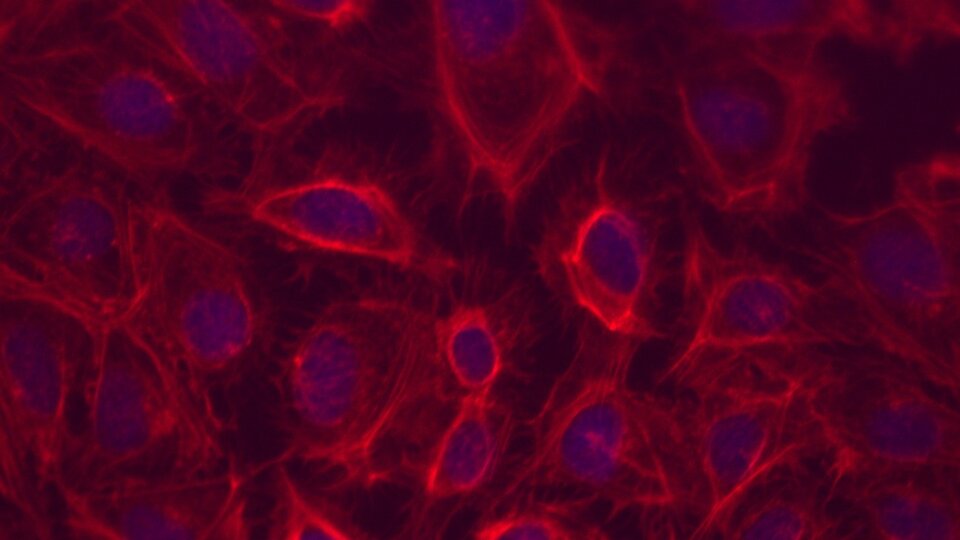
    Fluorescent microscopic view of bone cancer cells

    The studies of life and physical sciences in space are well established fields that complement terrestrial research programmes.

    Biology, physiology, fluid physics and combustion, material sciences, fundamental physics and  astrobiology are all studied in space, observing how gravity affects basic phenomena on Earth and expanding our knowledge of the world around us.

    Improving health
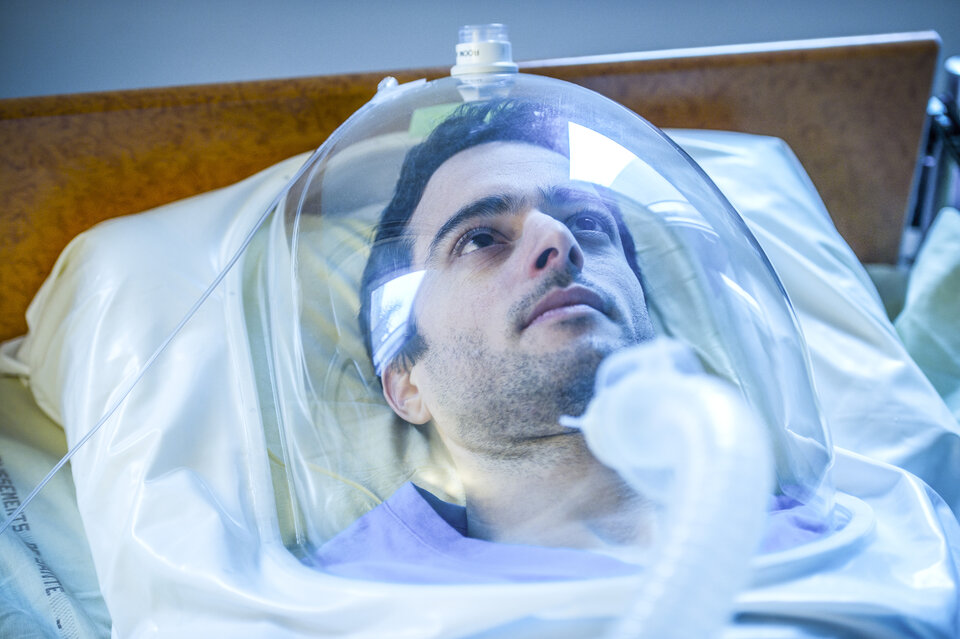
    Bedsuit

    Space offers unique possibilities to study health problems related to diseases, ageing and immobility.

    Research focuses on osteoporosis, muscle atrophy and nutrition, and tries to understand the effects of physiological adaptations for health and safety and ways to counteract unwanted changes in the human body. Spaceflight is a driving force behind developing advanced medical instruments for monitoring and diagnostics.

    Innovating technologies
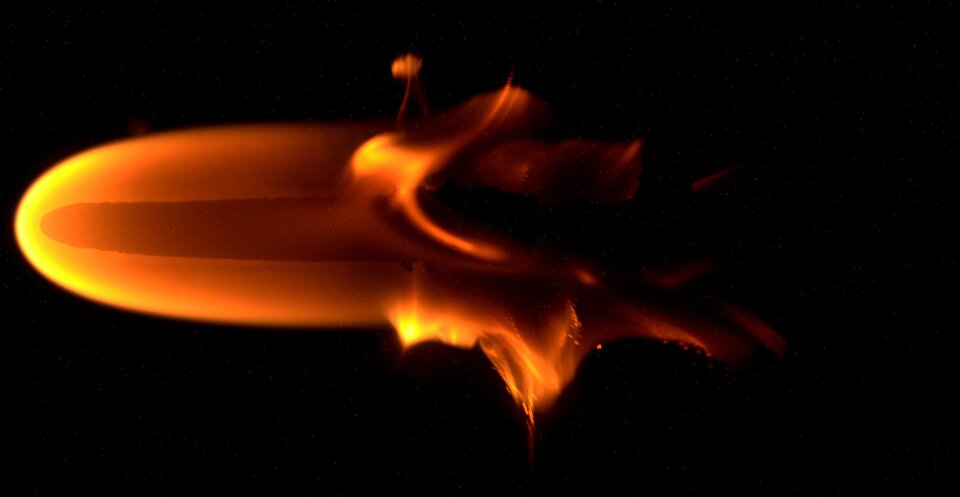
    Microgravity flame

    Studies in weightlessness can reveal properties that are important for energy production or environmental protection. Space research has already increased knowledge on combustion, liquids in porous substances and how dust particles behave.

    These studies are expected to lead to low-pollution high-efficiency combustion for power plants, aircraft and cars, as well as  improved crude oil-recovery and innovative air and water purification techniques. Increased knowledge of life-support technology used in spaceflight  will make our diets safer.

    Caring for the environment

    Studies in weightlessness can reveal properties that are important for energy production or environmental protection. Space research has already increased knowledge on combustion, liquids in porous substances and how dust particles behave.

    These studies are expected to lead to low-pollution high-efficiency combustion in for power plants, aircraft and cars as well as improved crude oil-recovery and innovative air and water purification techniques. Increased knowledge of life-support technology used in spaceflight will make our diets safer.
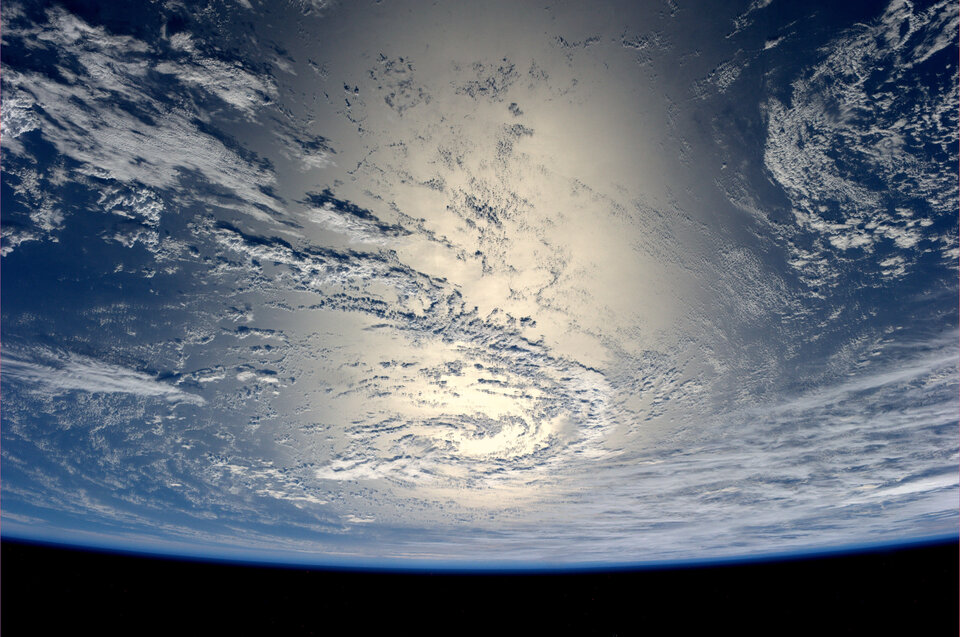
    Earth glinting in the sun

    Last update: 16 January 2015

    Rate this

    Views

    Share

    • Currently 4 out of 5 Stars.
    • 1
    • 2
    • 3
    • 4
    • 5
    Rating: 4.1/5 (7 votes cast)

    Thank you for rating!

    You have already rated this page, you can only rate it once!

    Your rating has been changed, thanks for rating!

    3224
    Tweet
    • International Space Station science reports
    • International Space Station Benefits for Humanity
    • The High Bay
      The High Bay
      Erasmus Space Exhibition Centre
    • App Store
    • Subscribe
    • mobile version
    • LATEST ARTICLES
    • · Counting calories in space
    • · How to rescue a Moonwalker in need
    • · See our seasons change from space
    • · Preparing for Mercury: BepiColombo…
    • · Giant iceberg in the making
    • FAQ

    • Site Map

    • Contacts

    • Terms and conditions