• → European Space Agency

      • Space for Europe
      • Space News
      • Space in Images
      • Space in Videos
    • About Us

      • Welcome to ESA
      • DG's News and Views
      • For Member State Delegations
      • Business with ESA
      • ESA Exhibitions
      • ESA Publications
      • Careers at ESA
    • Our Activities

      • Space News
      • Observing the Earth
      • Human Spaceflight
      • Launchers
      • Navigation
      • Space Science
      • Space Engineering
      • Operations
      • Technology
      • Telecommunications & Integrated Applications
    • For Public

    • For Media

      • Media
      • ESA TV
      • Videos for professionals
      • Photos
    • For Educators

    • For Kids

    • ESA

    • Rosetta

    • ESA Science

    • About Rosetta

      • Europe's comet chaser
      • Why 'Rosetta'?
    • About the spacecraft

      • The Rosetta orbiter
      • Orbiter: Instruments
      • The Rosetta lander
      • Lander: Instruments
    • About the journey

      • The long trek
      • Debris of the Solar System: Asteroids
      • Asteroid (2867) Steins: a portrait
      • Life and survival in deep space
      • Long-distance communication
      • The Rosetta ground segment
    • About the arrival

      • Comets - an introduction
      • Comet 67P/Churyumov- Gerasimenko
      • Comet rendezvous
      • Giotto - ESA's first comet mission
    • Meet the team
    • Mission Manager
    • Project Scientist
    • Multimedia
    • VideoTalk
    • 3D Flash 'model'
    • Rosetta images
    • Rosetta videos
    • Rosetta Animations
    • Rosetta wallpaper
    • Life of a comet
    • Services
    • Frequently asked questions
    • Comments

    ESA > Our Activities > Space Science > Rosetta

    The post-Halley era

    Comet 67P/Churyumov-Gerasimenko
    10 March 2006

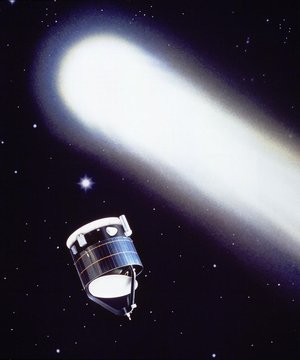
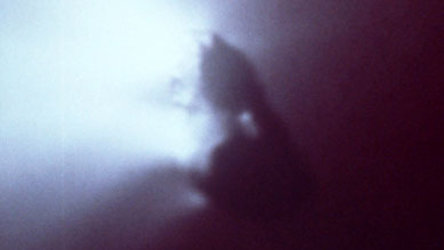
    Giotto’s visit to Comet Halley certainly taught scientists a great deal, but as always with such exploratory missions it also raised new questions. Scientists wanted to learn even more about these fascinating primordial space objects and made calls for more cometary missions.

    A few weeks before the launch of Giotto, a so-called ‘Planetary Cornerstone’ mission was proposed in ESA’s long-term scientific programme known as ‘Horizon 2000’. Planetary scientists wanted it to become a Comet-Nucleus Sample Return (CNSR) mission in collaboration with NASA, which would represent a logical next step after Giotto.

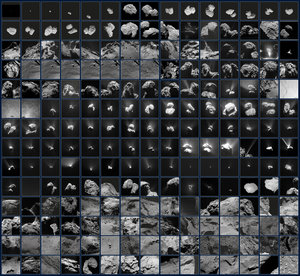
    In the mid-nineties, it became a purely ESA-led mission and was redefined as a cometary orbiter with a lander. This Rosetta mission was launched on 2 March 2004 and is currently on its way to comet 67P/Churyumov-Gerasimenko, which it will reach in mid-2014.

    The motto under which Rosetta’s state-of-the-art payload has been developed is ‘When we can’t bring back a sample to the laboratory, we have to bring the laboratory to the comet’.

    Comet Wild 2 as seen by Stardust

    Some scientists who had originally criticised fly-by missions to comets, even in the exploratory phase as not providing a good scientific return, were eventually won over by the tremendous success of Giotto and the wealth of data that it and the Vega 1 and 2 spacecraft provided.

    Consequently, NASA’s Deep Space 1 mission, launched on 24 October 1998, went on during its extended mission to fly-by Comet Borelly in September 2001.

    Three cometary missions then followed as part of NASA’s Discovery programme.

    Stardust, launched on 7 February 1999, passed comet Wild 2 on 2 January 2004 at 240 km and collected comet grains that were returned to Earth on 15 January 2006.

    It was followed by Contour, a mission to study the diversity of comets by making close fly-bys of at least two of them, like Giotto. Launched on 3 July 2002, Contour was unfortunately lost before it was injected into its interplanetary trajectory.


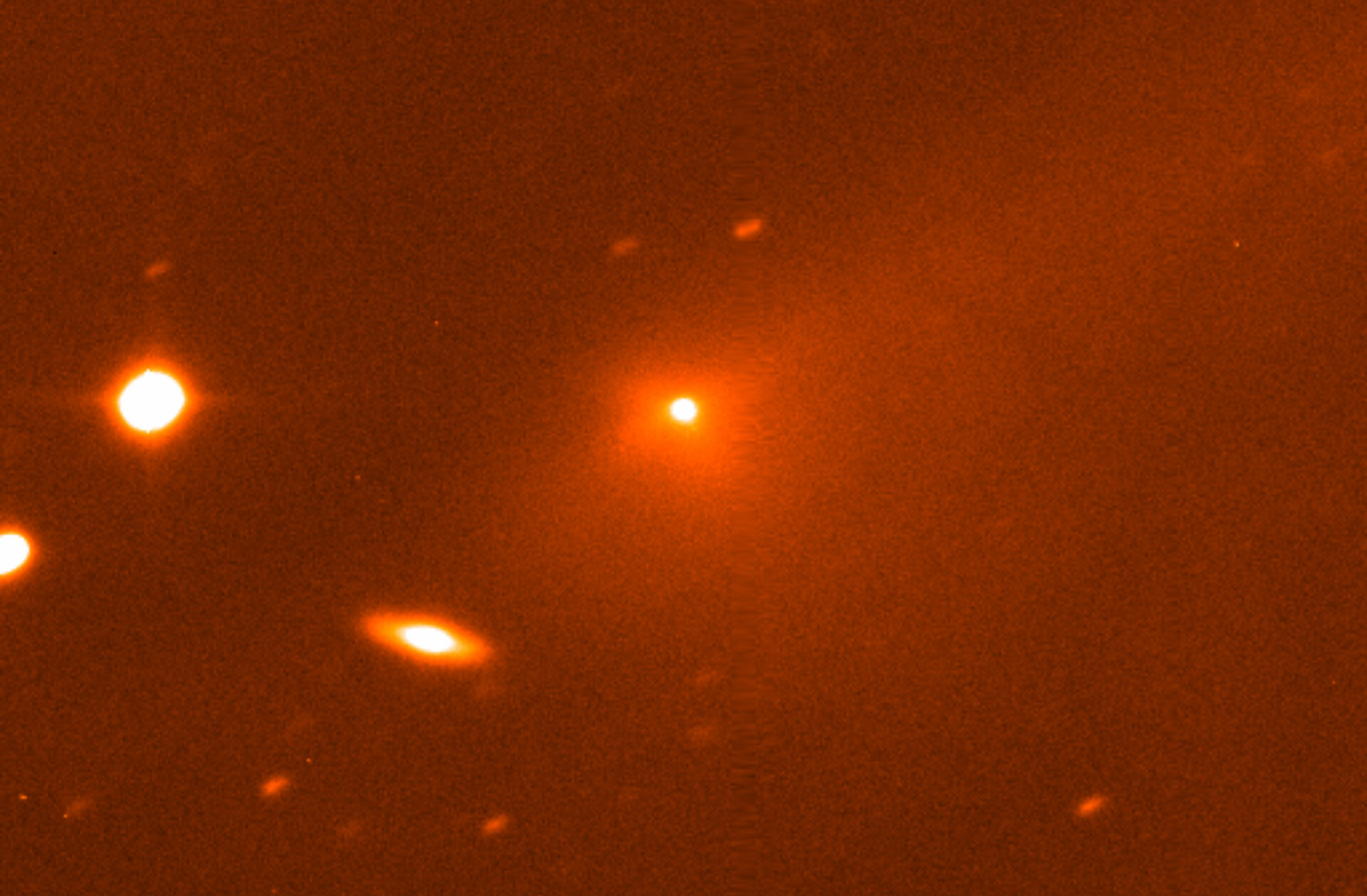
    Dust from Comet 9P/Tempel 1 seen with the ESA OGS (red filter)

    The third spacecraft Deep Impact, launched on 12 January 2005, fired a projectile into Comet Tempel 1 on 4 July 2005, an event that was monitored by observatories around the world.
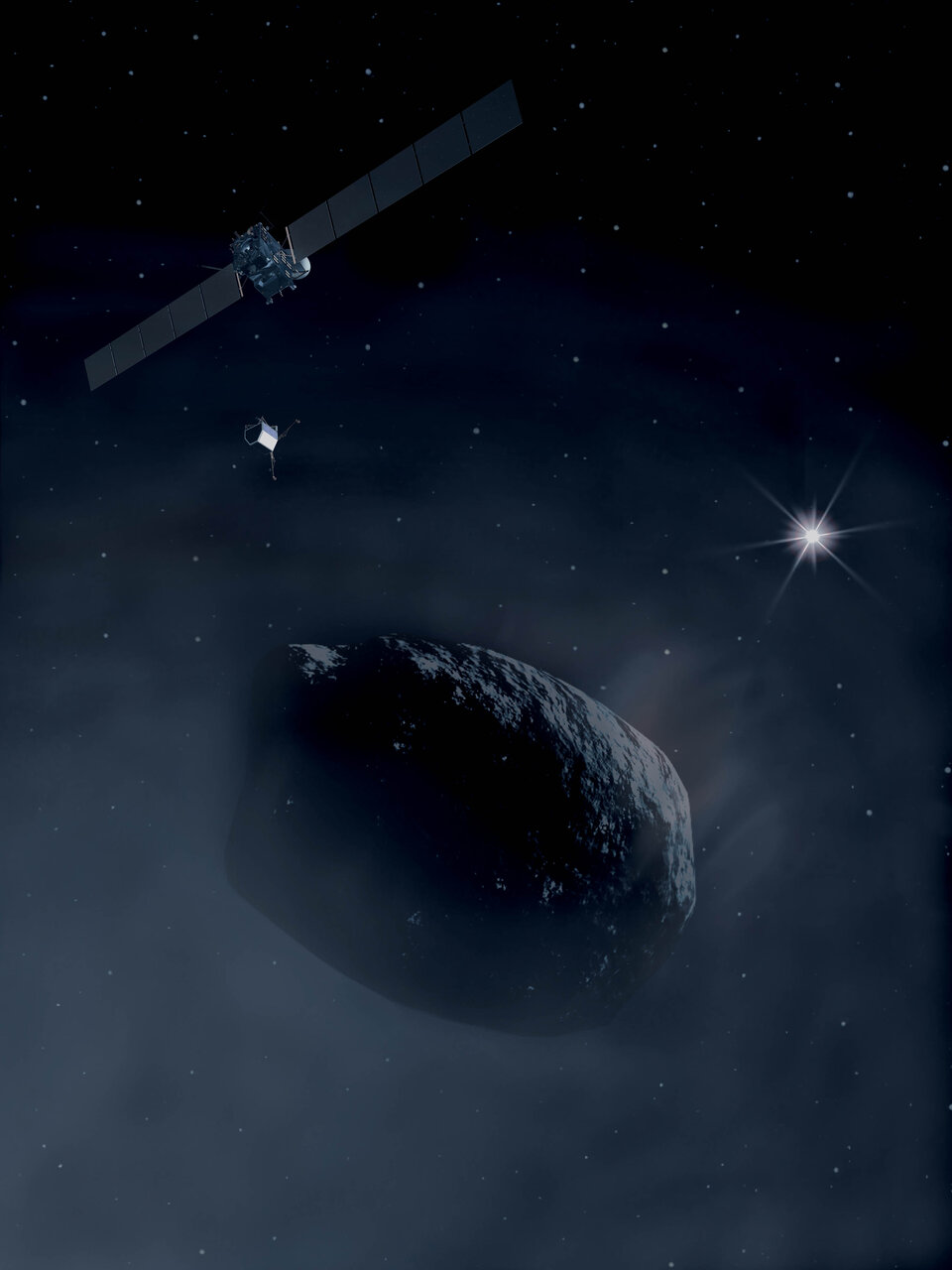
    Rosetta approaching its ultimate destination: Comet 67P/Churyumov-Gerasimenko

    Giotto was therefore instrumental in improving the fundamental knowledge about comets. Based on its results and the follow-on missions that it spawned, scientists have gradually learned more and more about these mysterious bodies over the past decades.

    But when the images of the various comets are compared, they all look quite different. Scientists do not really understand why yet!

    A lot of questions have been answered, but the more they discover, the more they want to know in order to really understand comets, their origin, their physics and their chemistry.

    ESA’s Rosetta will be the next spacecraft to visit a comet, in 2014, this time to make detailed, longer-term studies. Based on what ESA has learned so far from these ‘frozen snowballs of mud and ice’, it will certainly be worth the wait!

    For more information:

    Gerhard Schwehm, ESA Rosetta Project Scientist
    E-mail: gerhard.schwehm @ esa.int

    Rate this

    Views

    Share

    • Currently 0 out of 5 Stars.
    • 1
    • 2
    • 3
    • 4
    • 5
    Rating: 0/5 (0 votes cast)

    Thank you for rating!

    You have already rated this page, you can only rate it once!

    Your rating has been changed, thanks for rating!

    25
    Tweet
    • ESA's comet chaser
    • More about...
      • Giotto overview
        • Rosetta factsheet
        • Related articles
          • Giotto’s brief encounter
            • Giotto’s second comet encounter
              • The birth of Giotto
                • Giotto’s comet results
                  • The post-Halley era
                    • Life of a comet
                      • ESA observes Deep Impact from Earth
                        • Dust and gas from Comet 9P/Tempel 1 seen by ESA OGS
                        • Related links
                        • NASA Stardust
                        • video  20 years of GIOTTO

    Connect with us

    • RSS
    • Youtube
    • Twitter
    • Flickr
    • G+
    • Facebook
    • Livestream
    • Subscribe
    • App Store
    • LATEST ARTICLES
    • · Rare merger reveals secrets of gal…
    • · Watching for hazards: ESA opens as…
    • · ESA astronaut Timothy Peake set fo…
    • · Space drives e-mobility
    • · Proba-V opens its eyes
    • FAQ

    • Jobs at ESA

    • Site Map

    • Contacts

    • Terms and conditions