SMART-1 set for more lunar science
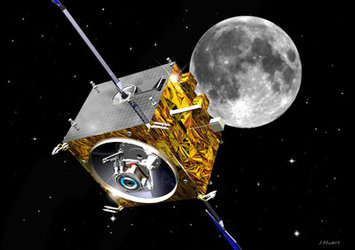
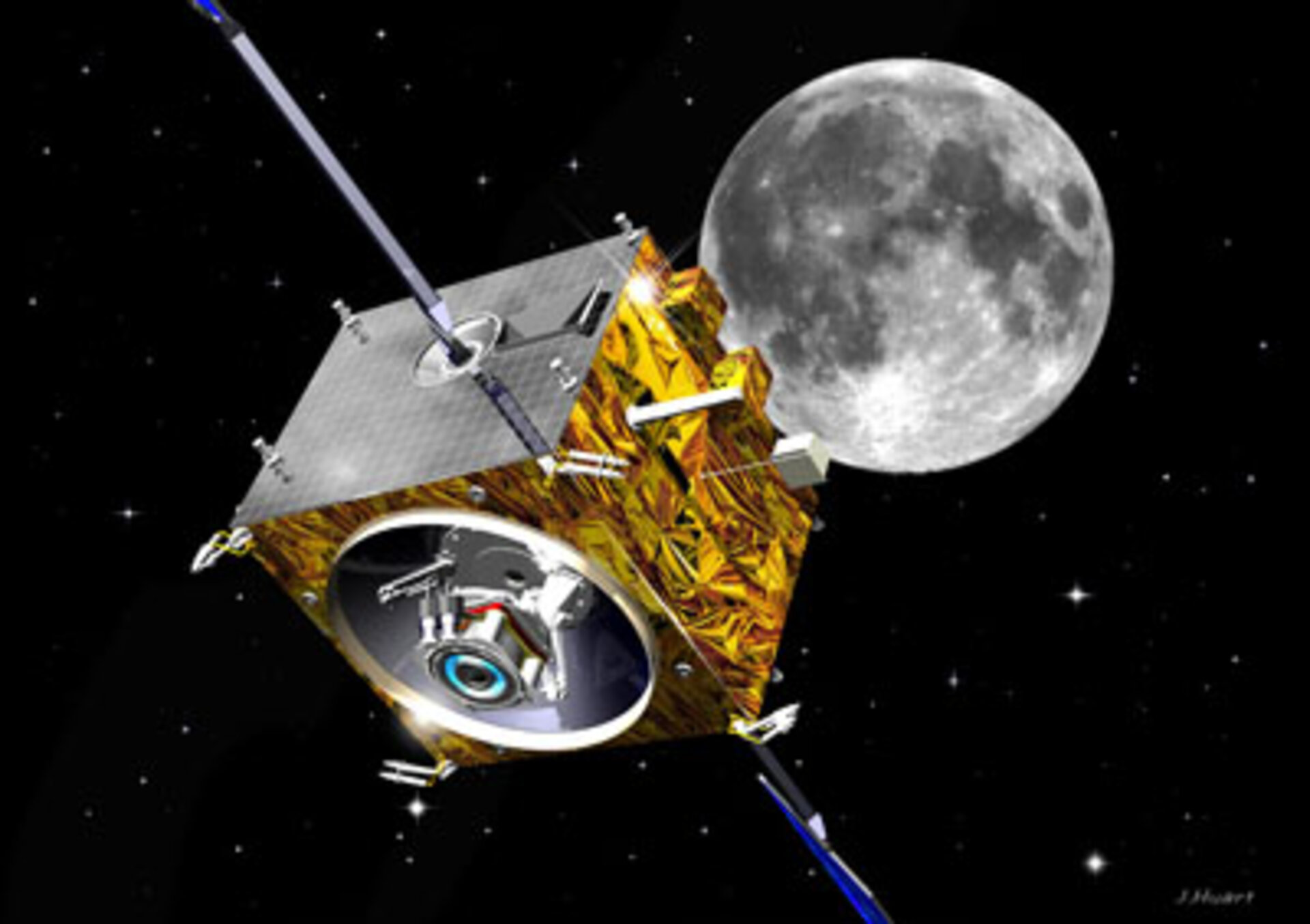
ESA’s SMART-1 mission in orbit around the Moon has had its scientific lifetime extended by ingenious use of its solar-electric propulsion system (or ‘ion engine’).
In February this year, the SMART-1 mission was granted financial support to extend the mission by one year, starting at the end of July 2005. However, whether SMART-1 could actually survive that length of time all depended on the propulsion system, the ion engine, and the small amount of xenon fuel left on board.
Without using the remaining fuel and letting the orbit decay naturally, SMART-1 would have ended its mission sometime before May 2006. Engineers and flight controllers at ESA’s European Space Operations Centre (ESOC) in Darmstadt, Germany, were aware that the ion engine could not use all the fuel left on board. They had to keep two kilograms of fuel to maintain sufficient gaseous pressure inside the tank to be able to control the engine thrust.
However, ESA and industry worked together to find a way to stretch the technology of SMART-1’s engine to set a new record. New simulations and analysis allowed the SMART-1 flight control team to successfully operate the engine until the almost the last drop of fuel was consumed and an orbit with one-year lifetime was reached.
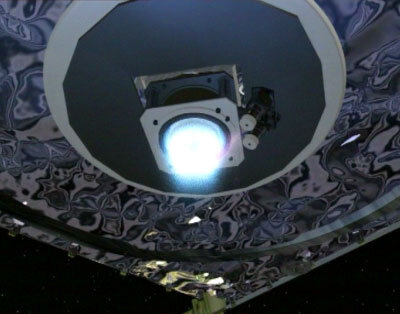
A series of re-boost manoeuvres, beginning in August 2005 has allowed the mission to be extended by one year, until July 2006. The engine was shutdown finally on 17 September after the last of these re-boost operations. SMART-1 is now coasting around the Moon ready to restart science observations on 1 October.
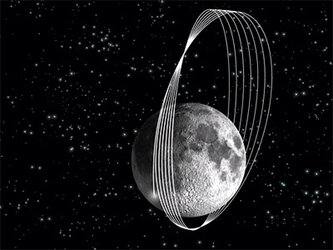
These re-boosts also brought the spacecraft into the optimal orbit to perform the more complex scientific observations to come in the extended phase. This orbit will have a perilune (lowest point of its orbit) closer to the equator than before, with very good solar illumination conditions over the whole year.
"This mission has given ESA a valuable experience about electric propulsion operations and navigation that can be exploited in future missions," says Octavio Camino-Ramos, SMART-1 Spacecraft Operations Manager at ESOC.
From now on SMART-1 will be left in a natural orbit determined by lunar gravity, but also by perturbations by Earth and the Sun. Analyses show that SMART-1 will end its life naturally, through impact with the Moon surface, around mid August 2006.
Bernard Foing, ESA’s SMART-1 Project Scientist, said, "The first scientific phase of the mission, from March to July 2005, was essentially dedicated to simple observations of the Moon and the study of the behaviour of spacecraft and instruments in the difficult thermal conditions of the lunar environment. From early October, with the extended scientific phase, SMART-1 will perform more complex science operations."
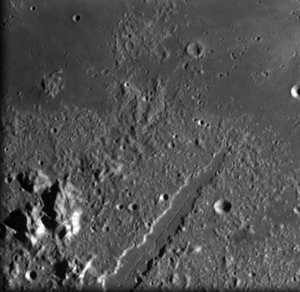
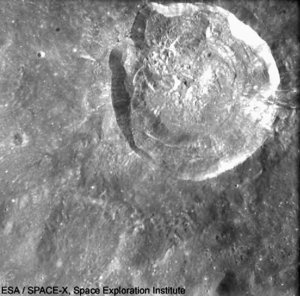
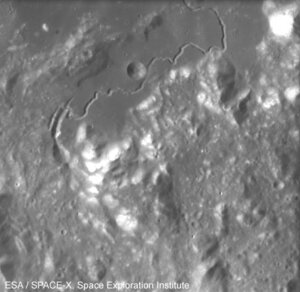
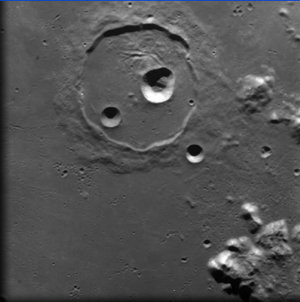
This autumn, science operations will include so-called ‘push broom’ observations, in which the spacecraft will be able to take colour images of the Moon surface by superimposing sequences of images of the same area taken with different colour filters.
"Multi-colour observations, surveys of the composition of the Moon, studies of polar regions illumination, the search for ice, support for future international lunar missions, and low-altitude observations until impact are our major objectives for this year," added Bernard Foing.
Notes to editors:
A review of SMART-1 results was discussed in the context of future missions, at the International Lunar Conference in Toronto, 18-23 September 2005, organised by the International Lunar Exploration Working Group (www.ilewg.org).
SMART-1, an ESA mission to test a number of innovative technologies, is the first European spacecraft to use a solar-electric propulsion system (ion engine) as its main propulsion system. The engine had been activated 843 times since the launch in September 2003 and was run for almost 5000 hours.
The ion engine on board SMART-1 was manufactured by SNECMA, a French-based company, in co-operation with the Russian industrial partner OKB Fakel and with support of the French national space agency, CNES.
For more information:
Bernard H. Foing, ESA SMART-1 Project Scientist
E-mail: bernard.foing @ esa.int
Octavio Camino-Ramos, ESA SMART-1 Spacecraft Operations Manager
E-mail: octavio.camino @ esa.int