• → European Space Agency

      • Space for Europe
      • Space News
      • Space in Images
      • Space in Videos
    • About Us

      • Welcome to ESA
      • DG's News and Views
      • For Member State Delegations
      • Business with ESA
      • ESA Exhibitions
      • ESA Publications
      • Careers at ESA
    • Our Activities

      • Space News
      • Observing the Earth
      • Human Spaceflight
      • Launchers
      • Navigation
      • Space Science
      • Space Engineering
      • Operations
      • Technology
      • Telecommunications & Integrated Applications
    • For Public

    • For Media

      • Media
      • ESA TV
      • Videos for professionals
      • Photos
    • For Educators

    • For Kids

    • ESA

    • Space Science

    • Our Universe
    • About Space Science
    • ESA's 'Cosmic Vision'
    • Science missions
    • Mission navigator
    • Target groups
    • For Media
    • For Scientists
    • For Kids
    • Multimedia
    • Science images
    • Science videos
    • Animations
    • Downloads
    • Sounds from space
    • Resources
    • Reference section
    • Services
    • FAQs
    • Glossary
    • Help
    • Portal terms of use
    • Comments
    • Follow us
    • RSS feeds
    • ESA Sci on Twitter
    • ESA Space Science Images on Flickr
    • ESA 3D on Flickr

    ESA > Our Activities > Space Science

    Serving the spacecraft

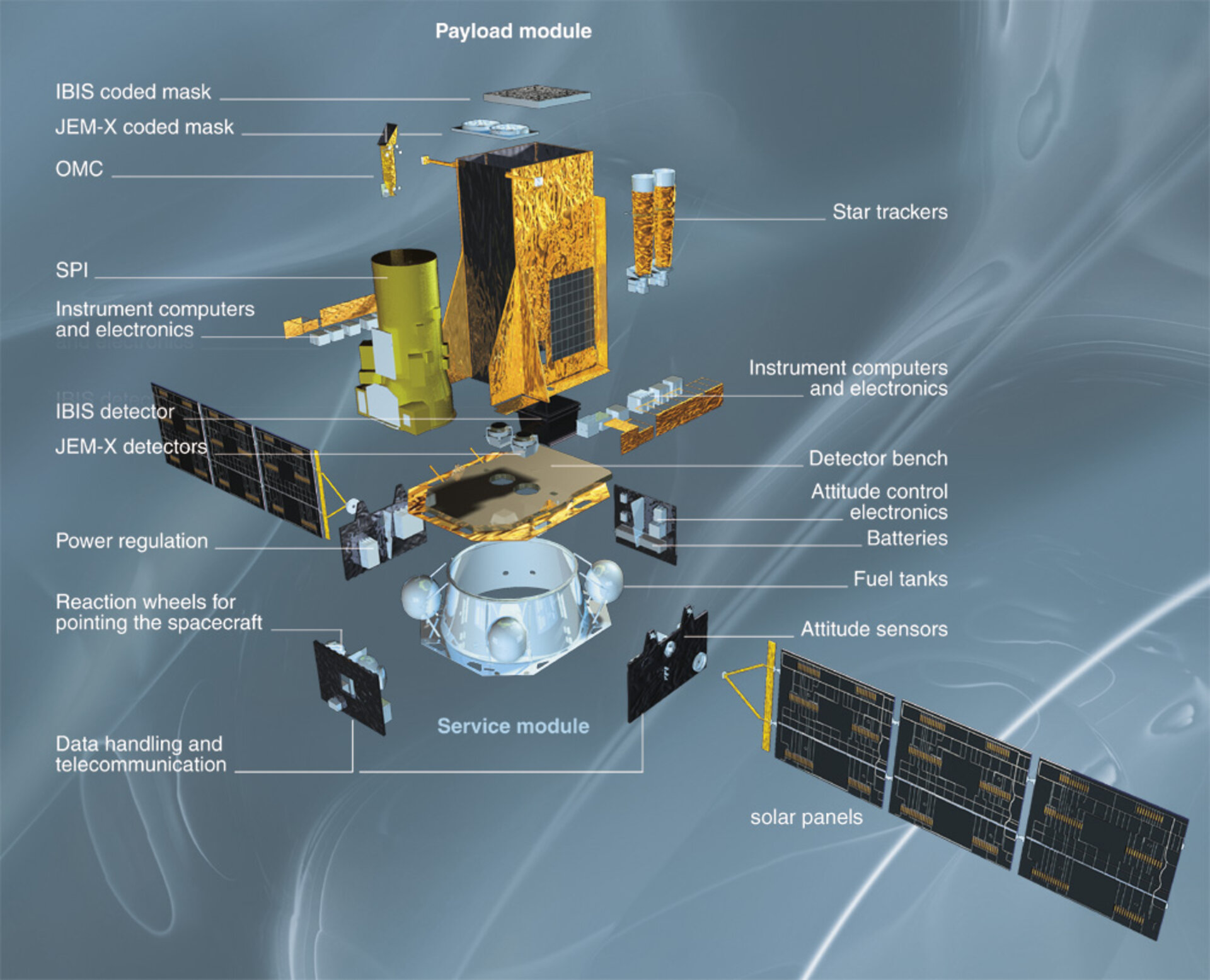
    Integral instruments

    Just as a car has a number of essential requirements that allows it to function (an engine, battery, steering and wheels, for example), so a spacecraft has essential systems that allow it to operate in space.

    Most of these systems are housed in a section of the spacecraft usually called a 'service module'.

    The spacecraft must generate power and distribute it to the various instruments and other service systems onboard. Power is usually provided by solar panels, which convert sunlight into electricity, and a system of batteries that cut-in when the spacecraft is in the shadow of a celestial object, or turned away from the Sun.

    SMART-1 over Earth
    SMART-1 over Earth

    A navigation system is essential, both for the spacecraft to get to its intended target and for other tasks such as keeping solar panels pointed towards the Sun. The 'eyes' of the navigation system are the sun sensors and the star trackers.

    The former allow the spacecraft to know where the Sun is, and the latter provide the spacecraft with the ability to view the surrounding stars in order to calculate its course – just like the mariners of historical times.

    At present, the star sightings are sent to Earth and engineers perform the calculations. In the future – using a system being pioneered on ESA’s SMART-1 Moon mission – ESA’s spacecraft will perform their own navigational calculations using on-board computers.


    Along with attitude wheels and gyroscopes, manoeuvring thrusters are a key component of the service module and interact with the navigation system to keep orientation constant. Most spacecraft are three-axis stabilised and this means that instead of spinning, they sit 'upright' in space.

    Thrusters must counteract any deviation from this precisely held position. They also steer the spacecraft through other manoeuvres, such as orbit changes, which need to be made from time to time.

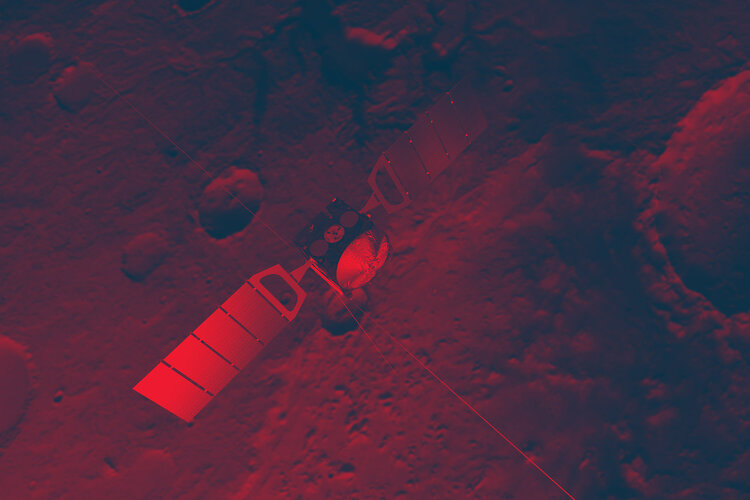
    Mars Express spacecraft
    Mars Express spacecraft

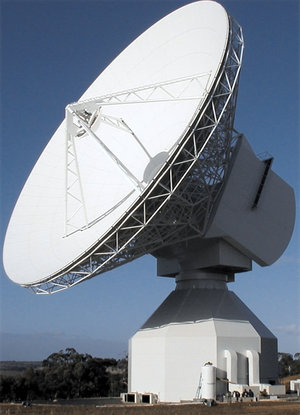
    The communications antenna of the service module returns the science data from the instruments and 'housekeeping' data that allow engineers back on Earth to monitor the condition of the spacecraft.

    The communications system also processes all incoming commands, such as for activating thrusters and or selecting observation targets for instruments.

    Only when all these essential spacecraft servicing systems are in place and functioning, can the payload – the actual science instruments and experiments – be placed on the spacecraft. Sometimes, these are bolted to the service module superstructure, as in the case of Mars Express.

    At other times, if they are a bulkier system, a set of telescopes for example, they are secured into a separate payload module that is then mated with the service module. This was the situation for ESA’s gamma-ray observatory, Integral.
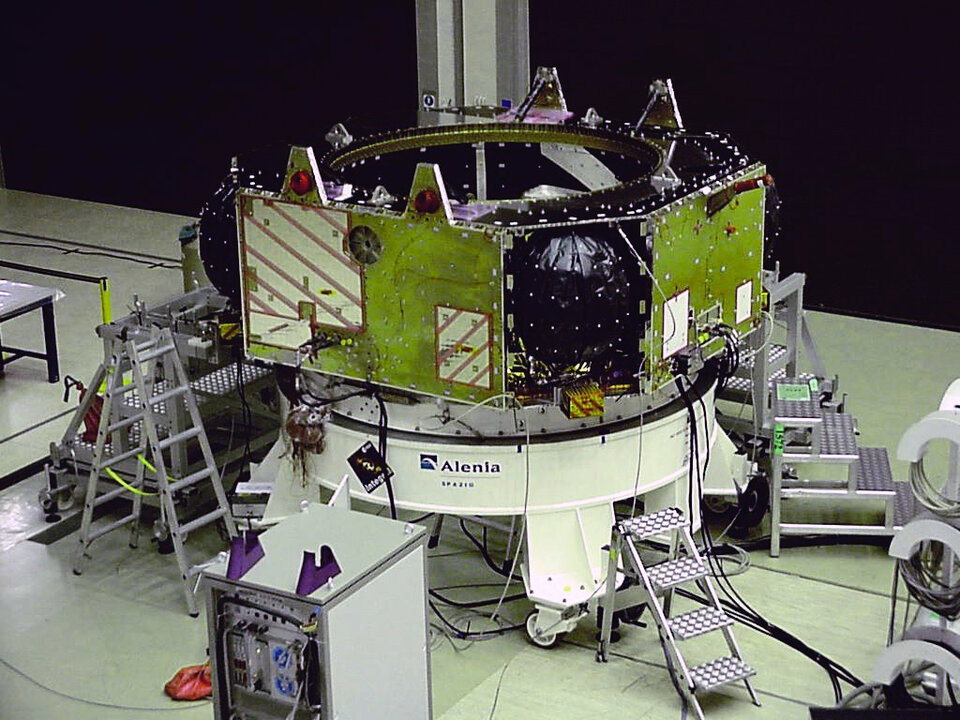
    Integral's service module

    Last update: 3 December 2004

    Rate this

    Views

    Share

    • Currently 0 out of 5 Stars.
    • 1
    • 2
    • 3
    • 4
    • 5
    Rating: 0/5 (0 votes cast)

    Thank you for rating!

    You have already rated this page, you can only rate it once!

    Your rating has been changed, thanks for rating!

    26
    Tweet
    • More about...
    • SMART-1
    • Looking at Mars
      • Integral overview
      • Related articles
        • Communicating from space: gaining a grip on antennas
          • Long-distance communication
            • What stops Mars Express getting lost in space?

    Connect with us

    • RSS
    • Youtube
    • Twitter
    • Flickr
    • G+
    • Facebook
    • Livestream
    • Subscribe
    • App Store
    • ESA Science Twitter

    Follow ESA science

    • LATEST ARTICLES
    • · The fast winds of Venus are gettin…
    • · ExoMars 2016 set to complete const…
    • · Herschel ends operations as orbiti…
    • · Europe’s largest spaceship reache…
    • · ATV ready to nose up to Station
    • FAQ

    • Jobs at ESA

    • Site Map

    • Contacts

    • Terms and conditions