• → European Space Agency

      • Space for Europe
      • Space News
      • Space in Images
      • Space in Videos
    • About Us

      • Welcome to ESA
      • DG's News and Views
      • For Member State Delegations
      • Business with ESA
      • ESA Exhibitions
      • ESA Publications
      • Careers at ESA
    • Our Activities

      • Space News
      • Observing the Earth
      • Human Spaceflight
      • Launchers
      • Navigation
      • Space Science
      • Space Engineering
      • Operations
      • Technology
      • Telecommunications & Integrated Applications
    • For Public

    • For Media

    • For Educators

    • For Kids

    • ESA

    • Technology

    • Technology Transfer

    • About technology
    • Foundation of innovation
    • A solid investment
    • Going up
    • Competitive edge
    • Supporting science
    • Giant leaps
    • Cross-Cutting Initiatives
    • Strategy and harmonisation
    • About strategy and harmonisation
    • Generic technology programmes
    • Basic Technology Research Programme (TRP)
    • General Support Technology Programme (GSTP)
    • Technology Transfer Programme (TTP)
    • European Components Initiative (ECI)
    • Technology in domain programmes
    • Technology in Domain programmes
    • Services
    • ESA Conferences
    • RSS feeds
    • Subscribe

    ESA > Our Activities > Technology

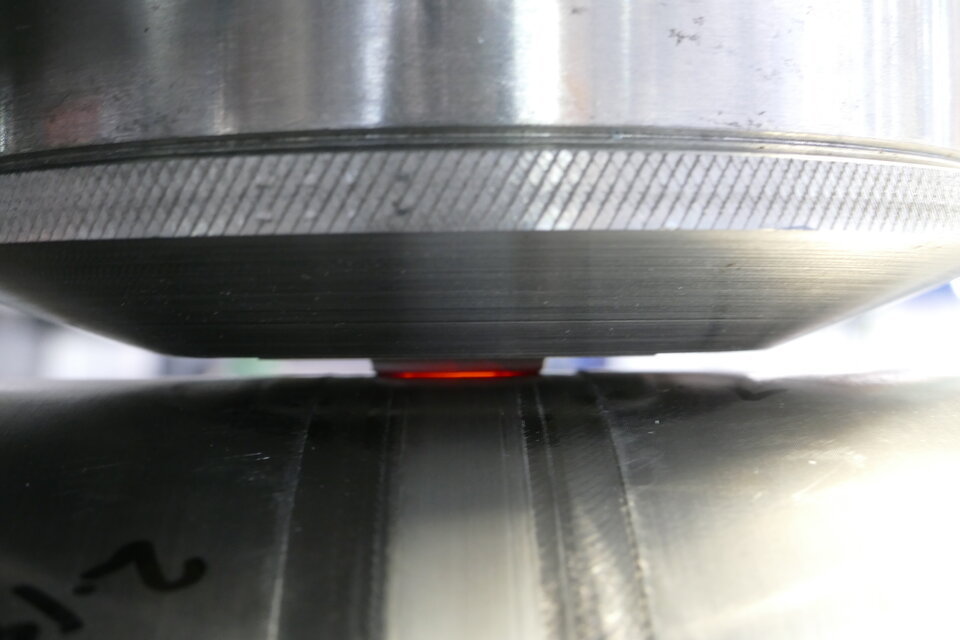
    The thrust vector control system of the Zefiro 23 engine, part of the Vega launcher, was developed under GSTP

    About the General Support Technology Programme (GSTP)

    GSTP provides technologies for a wide range of new space programmes and supports industrial competitiveness

    What is it?

    ESA's General Support Technology Programme (GSTP) exists to convert promising engineering concepts into a broad spectrum of mature products – everything from individual components to subsystems up to complete satellites – right up to the brink of spaceflight or beyond.

    It does this by developing them into engineering models or 'breadboards' whose space-worthiness can be verified not only in the lab but also within the less forgiving environment of ESTEC's set of simulators – including exposure to acceleration, temperature or radiation extremes – and increasingly all the way up to orbit on demonstration missions.

    The GSTP also includes work on product and process improvements, aiming for a flexible response to the needs of ESA programmes, Member States and European industry, and growing the number of European-made space-qualified parts made commercially available.

    Why is it needed?

    ...also responds to requests from industry for technical support and evaluation...

    The GSTP functions to bridge the gap between having a technology proven in fundamental terms and making it ready for ESA and national programmes, the open market and space itself.

    Often this programme takes as its subject technolologies that have gone through the TRP process. It also responds to requests from industry for technical support and evaluation of products mid-way through development. Operating in space being hard enough anyway, mission planners seek to minimise their risk exposure as much as possible. So a novel technology is only chanced to fly once it has been judged 'mature' – that is, the uncertainty about it has been pared down to acceptable levels.

    The GSTP aims at maturing technology and develop products, involving testing its performance in all conceivable scenarios, until the level of confidence associated with it becomes sufficiently high for comfort – and its risk factor reduces correspondingly.

    How is the GSTP implemented?

    The GSTP is an optional ESA programme, open for ESA Member States (including Canada as an associate member) to chose whether or not to participate and at what level. GSTP activities cover all ESA domains plus Generic Technologies, excepting Telecommunications which has its own ARTES programme.

    The GSTP has been in operation for two decades. The curent GSTP-5 operates on a five-year work plan and is based around four programme elements, organised on a voluntary basis. Element 1 is 'General Activities', covering traditional GSTP work complementary to TRP and domain-specific technology programmes.

    Element 2 is 'Building Blocks and Components', involving the bringing individual components and related building blocks to a high enough technology readiness level to be included in catalogue of European Space Product. This element will incorporate the existing work of the European Component Initiative (ECI) and ESA's participation in the European Space Component Coordination (ESCC).

    Element 3 is 'Security for the Citizens', covering the development of technologies for systems with security applications. It also includes technology development for the new Space Situation Awareness (SSA) initiative. The SSA will endow Europe with its own capabilities to monitor the space environment and guarantee the safe operation of the space assets on which we rely for daily life.

    Element 4 is 'In Orbit Demonstration', responding to industrial requests by making berths available for in-orbit technology qualification aboard small demonstrator satellites, along with the demonstration of novel research and operations techniques.

    Special mention deserves a permanently open Announcement of Opportunity (AO). Bidders can submit at any time proposals for technology product development.

    The GSTP work plan originates in a similar way to that of the TRP. The ESA Technology Network (TECNET) working groups prepare a draft with reference to the ESA Long Term plan. It is then approved by representatives of Participating Member States, prioritising issues that fit with their own industrial strategies.

    What benefits does it deliver?

    The GSTP ensures the right technologies at the right maturity are available at the right time.

    The GSTP ensures the right technologies at the right maturity are available at the right time.

    Industry can count on the programme’s technical support throughout its product development cycle, growing its capabilities and competitiveness, with companies able to issue proposals for research. A recent addition to the GSTP's long-standing focus on general technological innovation is an emphasis on developing space-worthy components and building blocks to strengthen Europe's industrial base, along with increased opportunities for in-orbit testing.

    The GSTP began its orbital testing and demonstration activities a decade ago, when it initiated the Proba series of small technology demonstrator satellites. These small satellites provide opportunities to demonstrate technologies, research and operational techniques, development and operational approaches. When it comes to commercialising a hi-tech product, a demonstrated spaceflight heritage represents the ultimate stamp of quality.

    It is the right balance of innovation and product development and maintenance that strengthens the competitiveness of European industry. The combination of mechanisms such the permanently open AO and the multi-year plans that allows fast response and advanced planning. These are GSTP features to optimally support industry.

    How to participate

    Research contracts are awarded based on national support, with the Participating States informing the Agency of any activities they wish to support prior to an invitation to tender being issued. Procurement generally occurs competitively on a 100% funding basis, although up to 50% funding is possible in non-competitive tenders.

    GSTP Invitations for Tender are issued regularly on ESA’s EMITS website, which requires registration for access.

    Last update: 8 December 2012

    Rate this

    Views

    Share

    • Currently 0 out of 5 Stars.
    • 1
    • 2
    • 3
    • 4
    • 5
    Rating: 0/5 (0 votes cast)

    Thank you for rating!

    You have already rated this page, you can only rate it once!

    Your rating has been changed, thanks for rating!

    353
    facebook
    twitter
    reddit
    google plus
    digg
    tumbler
    digg
    blogger
    myspace
    • More information
    • GSTP permanent announcements on EMITS
    • EMITS
    • GSTP achievements
    • GSTP Annual Report 2011 (pdf)
    • GSTP Annual Report 2010 (pdf)
    • GSTP Annual Report 2009 (pdf)
    • Related article
      • Spinning blood device set to safeguard astronaut health

    Connect with us

    • RSS
    • Youtube
    • Twitter
    • Flickr
    • Google Buzz
    • Subscribe
    • App Store
    • LATEST ARTICLES
    • · CryoSat hits land
    • · Ariane 5 completes seven launches …
    • · Measuring skull pressure without t…
    • · Malargüe station inauguration
    • · The solar wind is swirly
    • FAQ

    • Jobs at ESA

    • Site Map

    • Contacts

    • Terms and conditions