Venus Express se enfrenta a la resistencia de la atmósfera venusiana
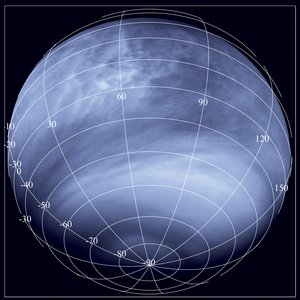
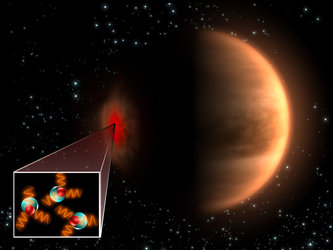
La atmósfera sobre las regiones polares de Venus es más fina de lo que se pensaba. ¿Qué cómo podemos saberlo? Porque la misión Venus Express de la ESA ha estado allí para comprobarlo. Esta vez no se limitó a tomar datos desde su órbita, sino que se zambulló en las capas superiores de la venenosa atmósfera de nuestro planeta vecino para realizar medidas de primera mano.
Venus Express atravesó las últimas capas de la atmósfera de Venus durante tres series de pases a baja altura realizados entre Julio y Agosto de 2008, en Octubre de 2009 y entre Febrero y Abril de 2010. El objetivo era medir la densidad de las capas superiores de la atmósfera de Venus sobre las regiones polares, un experimento sin precedentes en este planeta.
La campaña ya ha generado diez resultados completos, que demuestran que la atmósfera sobre las regiones polares de Venus es un 60% más fina de lo esperado. Este sorprendente resultado podría indicar la presencia de ciertos fenómenos naturales actuando en la atmósfera de Venus. Un equipo de científicos dirigido por Ingo Mueller-Wodarg del Imperial College de Londres está investigando las posibles causas.
La densidad es un parámetro crítico para los controladores de esta misión, que están analizando la posibilidad de reducir todavía más la altura a la que Venus Express sobrevuela el planeta, lo que permitiría modificar la órbita y aumentar la vida de la misión.
“Sería peligroso que el satélite descienda más en la atmósfera sin comprender antes cómo se comporta la atmósfera de Venus”, comenta Pascal Rosenblatt, del Royal Observatory de Bélgica, miembro del equipo de control de la misión.
Tan sólo el hecho de que Venus Express pueda realizar este tipo de mediciones es de por sí digno de admiración. El satélite no fue diseñado para realizar estas maniobras y no tiene instrumentos capaces de medir directamente la densidad de la atmósfera. Para lograrlo, las estaciones de seguimiento en la Tierra han monitorizado con precisión cómo se reducía la velocidad de la sonda al cruzar las capas más altas de la atmósfera venusiana, como resultado de la resistencia aerodinámica.
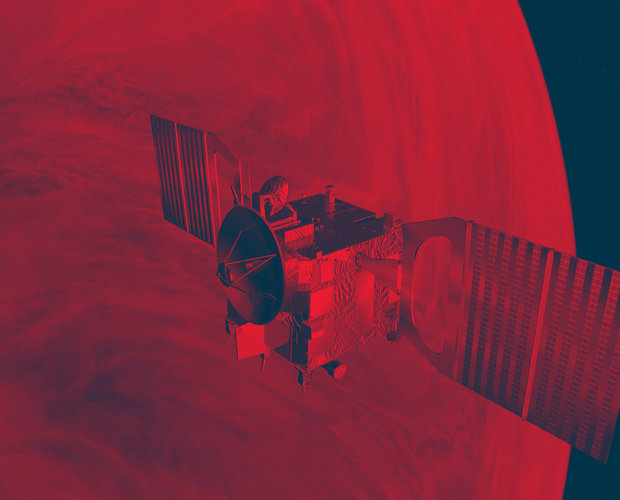
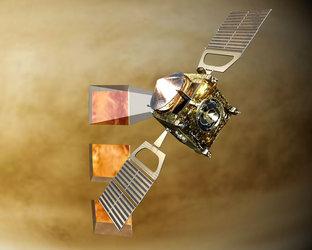
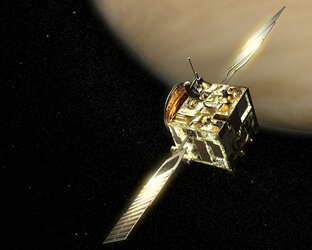
Además, el equipo en el Centro Europeo de Operaciones Espaciales de la ESA en Darmstadt, Alemania, decidió girar los paneles solares de Venus Express de forma que uno permanezca paralelo y el otro perpendicular a la velocidad de vuelo. Como resultado, la resistencia aerodinámica induce un giro en el satélite.
La atmósfera de Venus se extiende desde la superficie del planeta hasta unos 250 km. Durante la campaña de Abril, Venus Express sobrevoló la superficie de Venus a tan sólo 175 km de altura.
Además de éste sorprendente resultado, la rotación del satélite permitió registrar un cambio abrupto en la densidad atmosférica al pasar del día a la noche de Venus. La próxima semana, Venus Express se zambullirá de nuevo en la atmósfera venusiana, esta vez descendiendo hasta los 165 km.
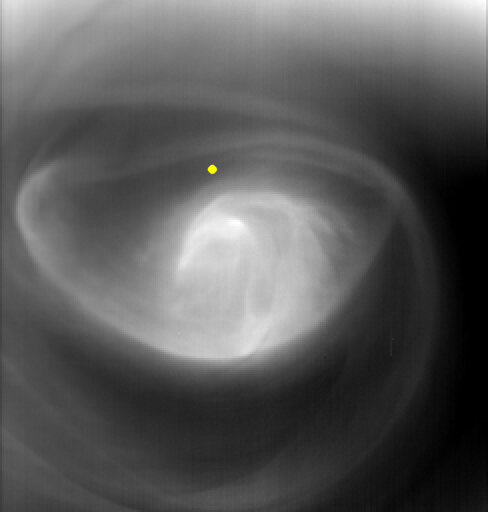
En base a estos resultados, el equipo de operaciones podrá modificar la trayectoria de Venus Express, reduciendo a la mitad el tiempo necesario para completar una órbita, lo que permitirá realizar nuevos experimentos científicos.
En la órbita elíptica en la que se encuentra actualmente, Venus Express necesita 24 horas para completar una vuelta entorno al planeta, acercándose a 250 km de su superficie en el periastro y alejándose hasta los 66 000 km en el apoastro. Cuando Venus Express se encuentra lejos del planeta, la gravedad del Sol la aparta ligeramente de su trayectoria nominal. Para compensar esta perturbación, cada 40-50 días se deben encender los motores de la sonda, consumiendo un combustible que a este ritmo se habrá agotado en 2015. Con el objetivo de aumentar la vida de la misión, el equipo de operaciones planea reducir la altura de la órbita (en su apoastro) utilizando la atmósfera del planeta para frenar la sonda. Se trata de una maniobra muy delicada y potencialmente peligrosa, que requiere un minucioso calculo previo.
“Todavía necesitamos terminar una serie de estudios preliminares para poder calcular en detalle esta delicada maniobra”, comenta Håkan Svedhem, Científico del Proyecto Venus Express para la ESA. “Si nuestros experimentos demuestran que se puede realizar la maniobra con total seguridad, seremos capaces de reducir la altura del apoastro de Venus Express a principios de 2012.”
Mientras tanto, los equipos de científicos involucrados en la misión se muestran muy satisfechos con los datos obtenidos hasta la fecha. “No podíamos estudiar esta región con nuestros instrumentos porque la atmósfera es demasiado fina, pero ahora estamos tomando medidas de primera mano”, concluye el Dr. Mueller-Wodarg.