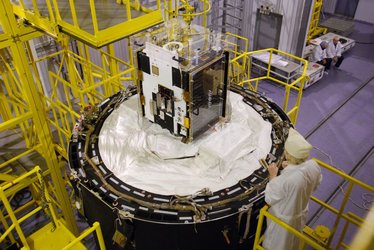
Microsatelliet Proba 2 neemt stormachtige zon waar
De microsatelliet Proba 2 van ESA is een heel bijzondere waarnemer van de zon, onze ster die aan de basis ligt van het zogenaamde ‘ruimteweer’. België is op verschillende manieren bij het project betrokken.
Onze moeilijk voorspelbare zon is de motor van het zogenaamde ruimteweer.
Dat kan heel wat hinder veroorzaken in de ruimte en op de aarde. Golven van geladen deeltjes afkomstig van de zon kunnen immers de goede werking van satellieten in het gedrang brengen en de goede werking van energienetwerken op onze planeet ernstig verstoren.
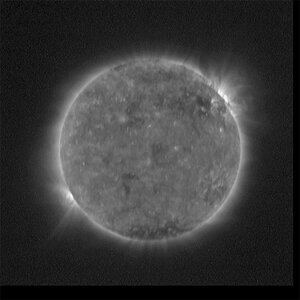
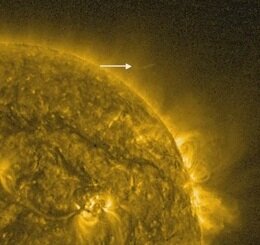
De wetenschappelijke gegevens van Proba 2 zijn bijzonder nuttig om dat ruimteweer in de gaten te houden. Twee instrumenten aan boord van de kunstmaan bestuderen de zon, twee andere bekijken de invloed van onze ster op de ionosfeer van de aarde.
Eind november en begin december vond in Namen de European Space Weather Week plaats, waar de nieuwste gegevens van de in ons land gebouwde Proba 2 werden voorgesteld.
Kleine afmetingen, grote resultaten

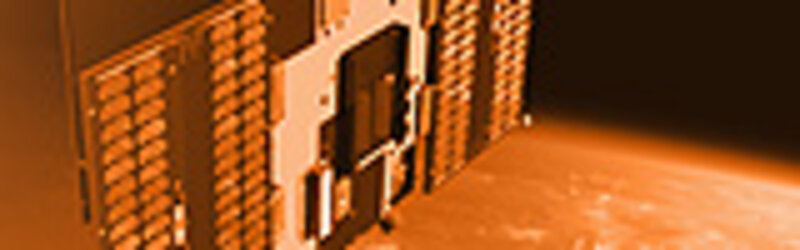
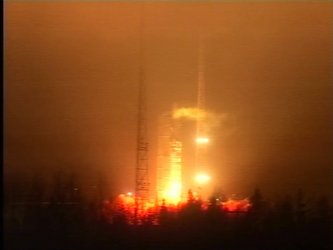
Bijzonder is dat Proba 2 minder dan een kubieke meter groot is. Het satellietje werd gelanceerd op 2 november 2009, in eerste instantie om nieuwe technologie te testen.
Maar ondertussen heeft Proba 2 zijn voorziene operationele levensduur van twee jaar overschreden en is het een wetenschappelijke missie van eerste orde geworden.
En de oogst is niet mis: zowat 400.000 opnamen van de zon en 20 miljoen in situ waarnemingen van de ionosfeer.
Gegevens wereldwijd gebruikt

‘De wetenschappelijke gegevens van Proba 2 worden ook naar onderzoeksteams in heel de wereld gestuurd, van de Verenigde Staten tot India.’
Dat zegt Marie Dominique van de Koninklijke Sterrenwacht van België (KSB), verantwoordelijk voor de sensoren van Proba 2 die de zon in het vizier nemen.
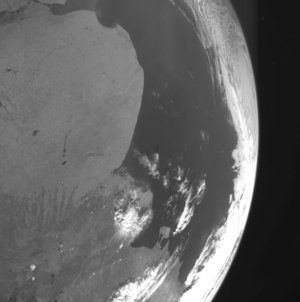
Maar twee andere sensoren van Proba 2 richten zich niet op de zon, die zich op 150 miljoen kilometer afstand van de aarde bevindt, maar onderzoeken de onmiddellijke omgeving van de microsatelliet die op een hoogte van 700 kilometer onder meer over de polen van de aarde vliegt.
‘Volgend jaar willen we het volledige verwerkte archief van onze resultaten tot dan toe publiceren’, zegt Stepan Stverak van het Tsjechisch Astronomisch Instituut.
De resultaten zullen ook vergeleken worden van die van de Franse satellite Demeter, die verstoringen van de ionosfeer als gevolg van seismische activiteit waarnam.
Het gaat hier om een methode die misschien gebruikt kan worden om aardbevingen te voorspellen.
Proba 2 en Demeter vlogen in een gelijkaardige baan alvorens de Franse kunstmaan zijn missie vorig jaar eindigde.
Wetenschappelijke bonus
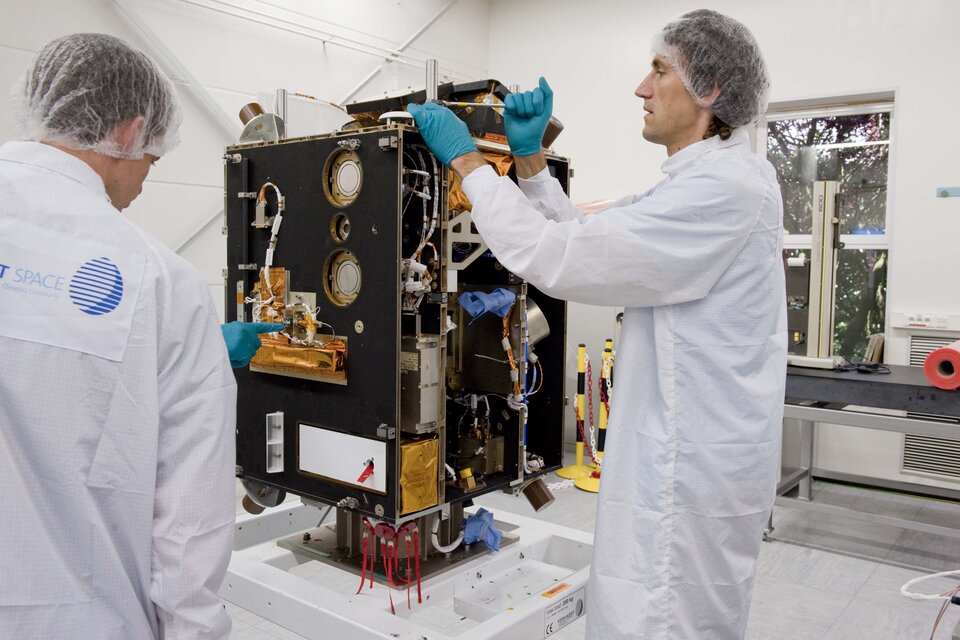
ESA’s Project for Onboard Autonomy bestaat uit een reeks satellieten waarbij Europese bedrijven in de eerste plaats nieuwe technologie in de ruimte kunnen testen. Zo test Proba 2 maar liefst 17 technologieën.
‘Het idee achter Proba is om dergelijke geavanceerde technologieën zodanig te testen dat er echter ook op wetenschappelijk vlak nut uit te halen valt’, zegt Frederic Teston van het In-Orbit Demonstration Programme van ESA.
‘Het feit dat we de interesse van mogelijke gebruikers opwekken is het beste bewijs dat deze technologieën goed werken.'
Autonoom
Proba 2 is ontworpen om zo autonoom mogelijk te functioneren. De satelliet wordt door een klein team opgevolgd, dat tijdens de gewone kantooruren werkt in het ESA-grondstation van Redu in de Belgische provincie Luxemburg.
‘We werken op een heel soepele manier samen met Redu’, verklaart Marie Dominique.
‘We kunnen bijvoorbeeld snel reageren wanneer de activiteit van de zon plots verandert. Op enkele uren tijd veranderen we dan de instellingen van onze instrumenten of richten we de satelliet anders om bijvoorbeeld hevige uitbarstingen door de zon van geladen deeltjes met een enorme snelheid - zogenaamde coronale massa-ejecties - waar te nemen.’