Rosetta sale de su hibernación para encontrarse con un asteroide
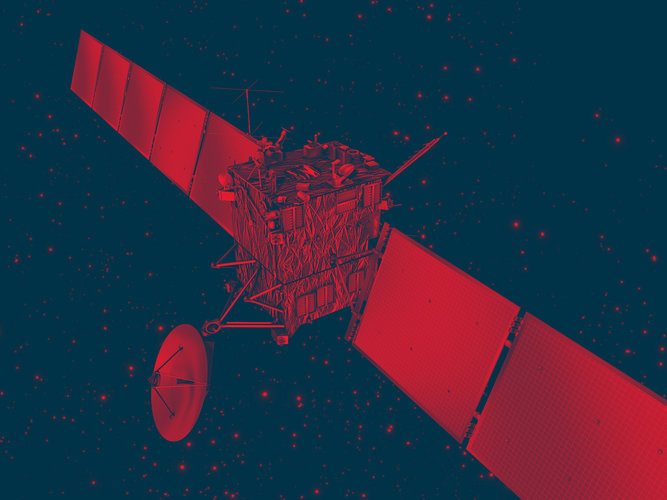
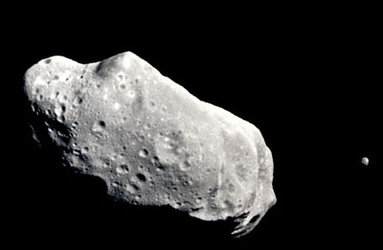
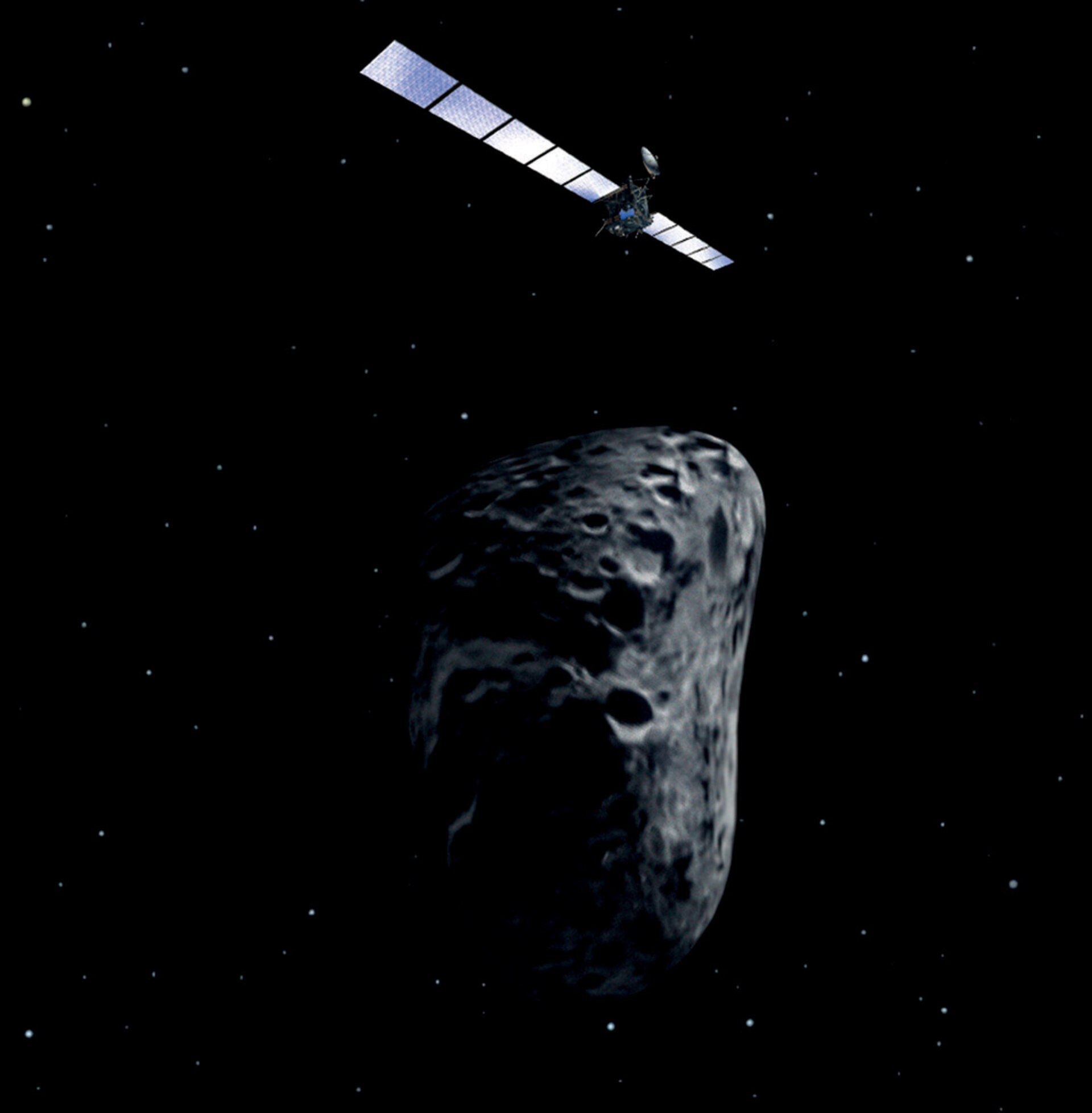
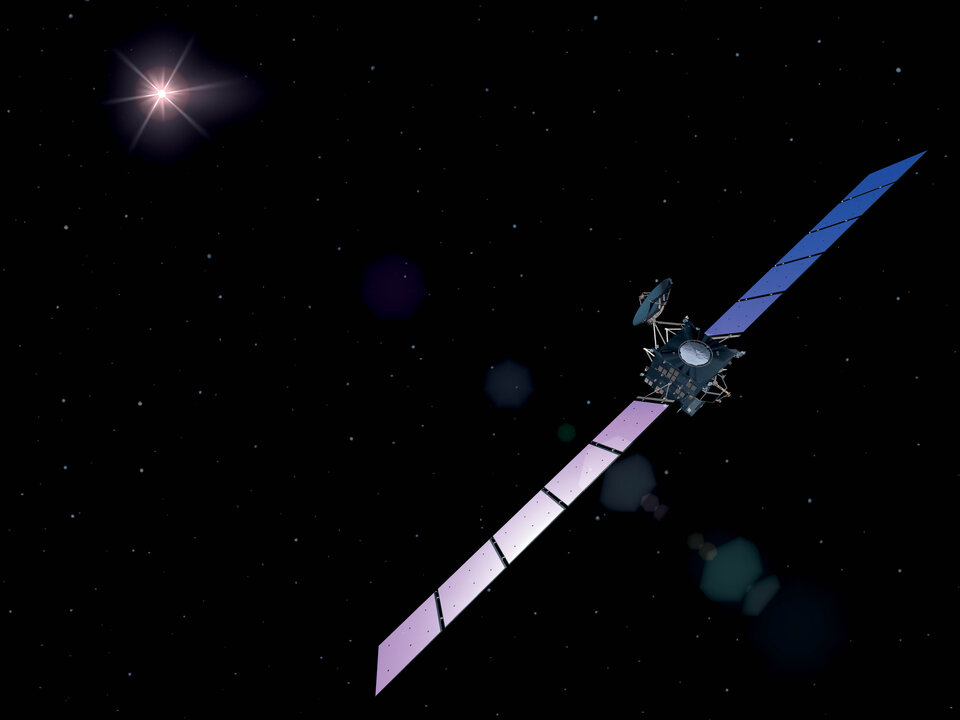
Los controladores de la nave Rosetta acaban de despertarla de su hibernación para preparar el encuentro con el asteroide 2867-Steins el próximo 5 de Septiembre. Rosetta, la nave ‘persigue-cometas’ de la ESA estudiará este asteroide, relativamente inusual, durante su vuelo hacia el cometa 67/P Churyumov-Gerasimenko, su destino final.
Rosetta despegó en marzo de 2004 y no alcanzará el 67/P Churyumov-Gerasimenko hasta 2014, tras haber recorrido cerca de 6.500 millones de Km. La distancia entre la nave y el Sol cuando se acerque al cometa será de unos 600 millones de Km, o cuatro Unidades Astronómicas (UA). Una UA equivale a 150 millones de Km, la distancia media entre la Tierra y el Sol).
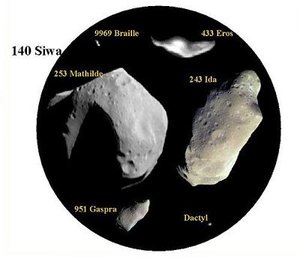
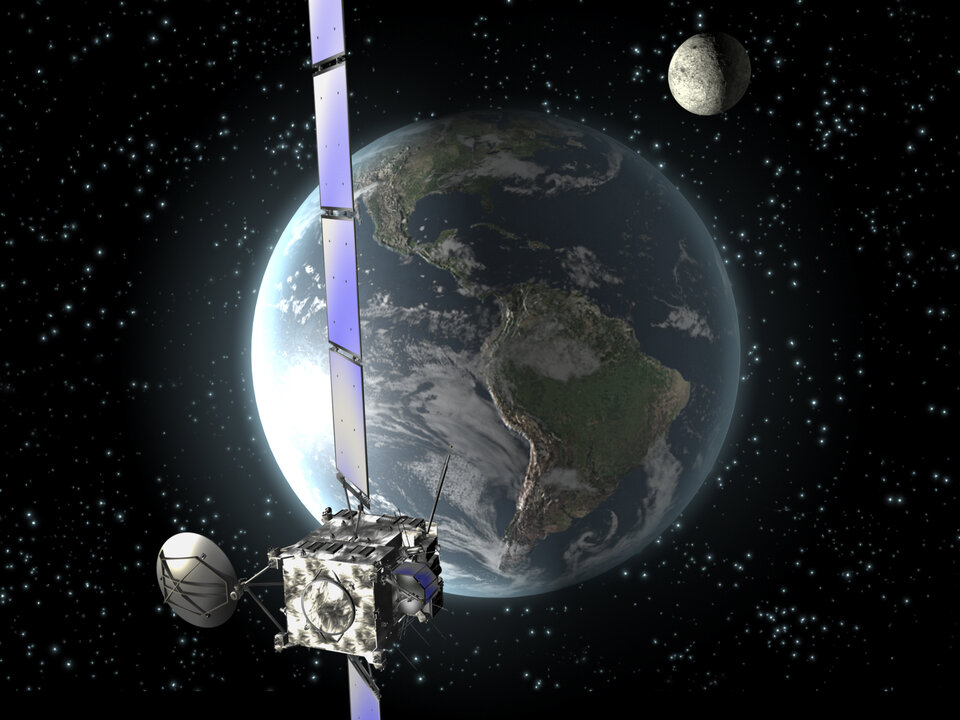
Rosetta ha sobrevolado la Tierra dos veces y Marte una vez, en maniobras de asistencia gravitatoria para obtener el impulso necesario para seguir viaje. La tercera y última aproximación a la Tierra está prevista para Noviembre de 2009. Por el camino la nave visitará y estudiará además dos asteroides: 2867-Steins en Septiembre de este año y 21-Lutetia en Junio de 2010. Con su acercamiento al 2867-Steins en Septiembre, Rosetta habrá recorrido cerca de 3.700 millones de Km y se encontrará a 2,1 UA del Sol.
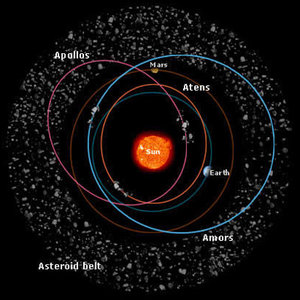
Tras su última maniobra para tomar impulso gracias a la gravedad planetaria, el 13 de Noviembre del año pasado, Rosetta partió hacia el cinturón de asteroides que se encuentra entre las órbitas de Marte y Júpiter. El 27 de marzo de 2008, la nave entró en un modo de hibernación cercana al Sol que se ha prolongado tres meses. En esta fase algunos subsistemas pasaron a un estado "durmiente" para optimizar su vida útil (éste es solo el principio de la fase científica de la misión).
Próxima parada: Steins
El máximo acercamiento de Rosetta al 2867-Steins se producirá el 5 de Septiembre a las 20:37 CEST, a una distancia de 800 Km. La nave pasará por este punto a una velocidad relativa de 8,6 Km/s.
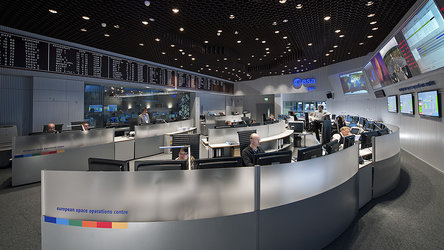
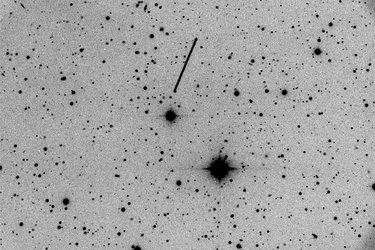
Para preparar la aproximación todos los instrumentos se probarán y comprobarán durante el mes de Julio. Entre el 4 de Agosto y el 4 de Septiembre los operadores de la nave pondrán en marcha una campaña de navegación óptica: se realizará un seguimiento visual de Steins mediante las cámaras a bordo que servirá para mejorar en el conocimiento de su órbita, derivada de mediciones basadas en tierra.
Máximo aprovechamiento de la aproximación
Las observaciones permitirán caracterizar este asteroide de tipo E relativamente raro (compuesto en su mayoría por silicatos y basaltos) y su entorno, y también para probar los instrumentos de Rosetta, puesto que la mayor parte de ellos estarán activos durante la aproximación.
Este vuelo pondrá a prueba el diseño de Rosetta, en particular debido a la rápida rotación de la nave en el momento de máximo acercamiento. La maniobra es necesaria para garantizar que el asteroide permanezca en el campo de visión de los instrumentos. A la vista de todo ello, el pasado 24 de marzo de 2008 se llevó a cabo una simulación completa de la aproximación. Estas pruebas fueron todo un éxito y sirvieron para corroborar la robustez de la nave.
Para más información:
Gerhard Schwehm, ESA Rosetta Mission Manager,
Correo electrónico: Gerhard.Schwehm @ esa.int
Rita Schulz, ESA Rosetta Project Scientist,
Correo electrónico: Rita.Schulz @ esa.int,
Andrea Accomazzo, ESA Rosetta Spacecraft Operations Manager,
Correo electrónico: Andrea.Accomazzo @ esa.int