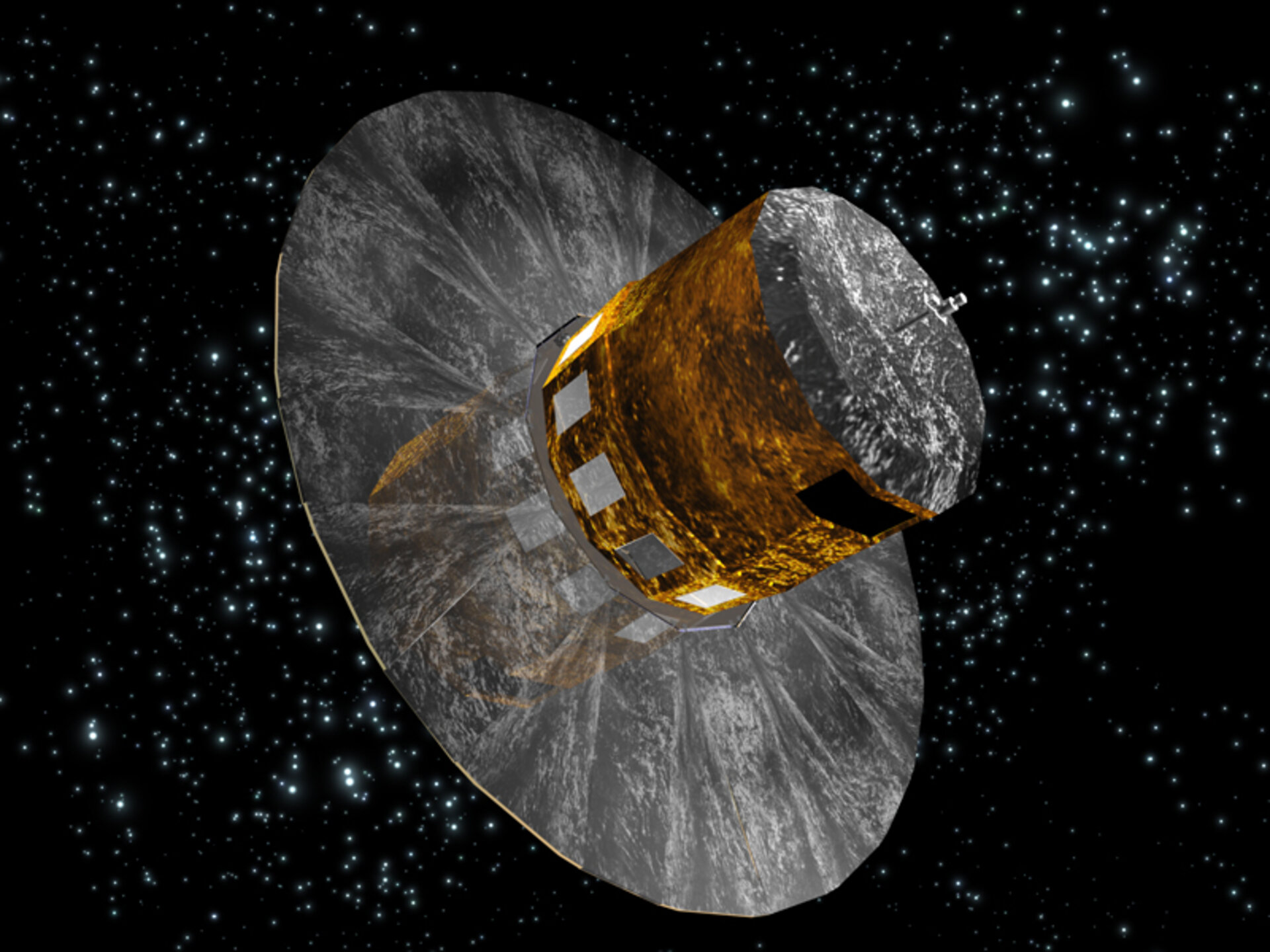
Gaia to lift off from Europe’s Spaceport on a Soyuz launcher
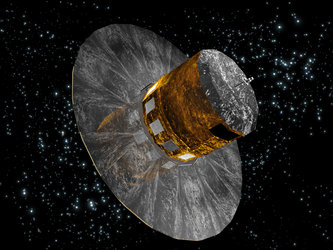
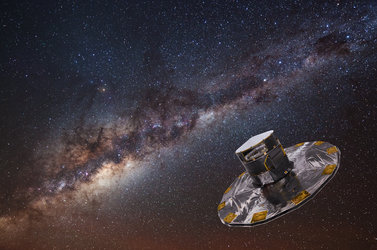
Gaia, ESA’s next-generation star mapper, will be carried into space by a Soyuz-STB/Fregat launch vehicle from Europe’s Spaceport in French Guiana. David Southwood, ESA’s Director of Science and Robotic Exploration, signed the contract for the launch with Jean-Yves LeGall, Chairman and CEO of Arianespace, at ESA Headquarters in Paris yesterday.
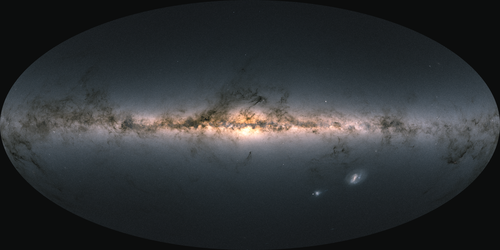
The mission builds upon the heritage of precision stellar mapping exemplified by ESA's now- completed Hipparcos mission. Gaia will map 1000 million stars at unprecedented levels of precision, with the objective to use its census of stars to clarify the history and origins of our Galaxy.
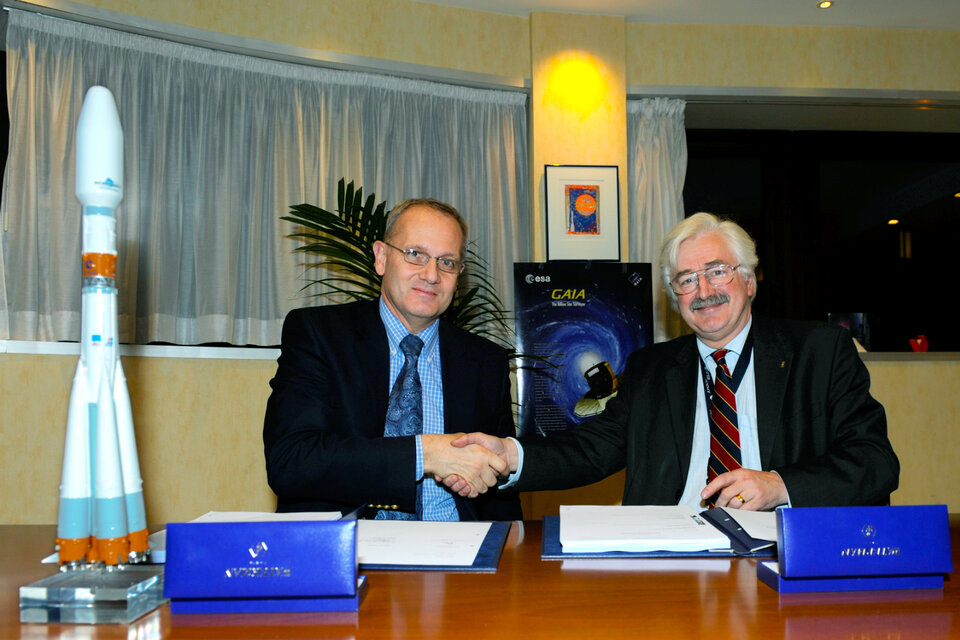
Prof. Southwood remarked, "Gaia is a grand challenge to understanding our Galaxy, to find out what it is made of and, thus, where we have come from. Europe alone has taken up the challenge. We therefore are very pleased to be launched by Arianespace."
"Arianespace is especially proud of contributing to scientific knowledge by launching Gaia," added Jean-Yves Le Gall. "Like Hipparcos, it will revolutionise our understanding of the Universe. This latest contract, the fifth we have signed in 2009 for a Soyuz launch from the Guiana Space Centre, is clear recognition of the quality and competitiveness of our launch service and solutions. It also largely illustrates the advantages of the European family of launch vehicles developed by ESA and operated by Arianespace."