ESA julkistaa GOCEn ensimmäiset mittaukset
Ensimmäiset Maan painovoimakenttää mittaavan GOCE-satelliitin keräämiin mittauksiin pohjautuvat tuotteet ovat nyt tutkijoiden saatavilla.
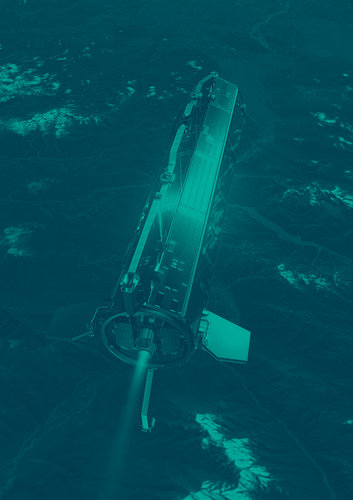
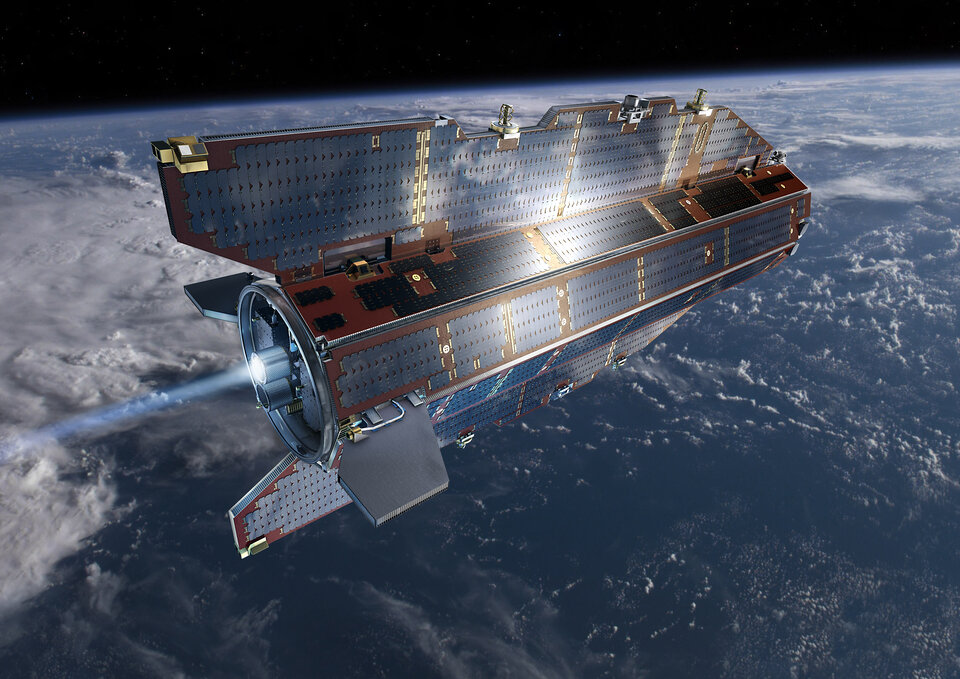
GOCE laukaistiin avaruuteen maaliskuussa 2009 tehtävänään kartoittaa Maan gravitaatio ennennäkemättömällä tarkkuudella ja erotuskyvyllä.
Gravitaatiokartta ja geoidimalli mahdollistavat tieteen edistämisen hyvin monilla osa-alueilla. Käyttäjälle - pääasiassa tutkijoille - valmiiden tuotteiden saamiseksi tarvitaan kuitenkin monia askeita.
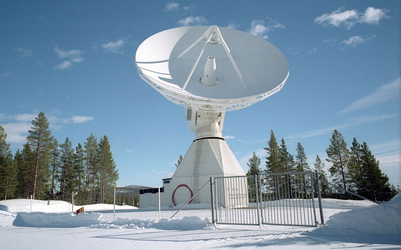
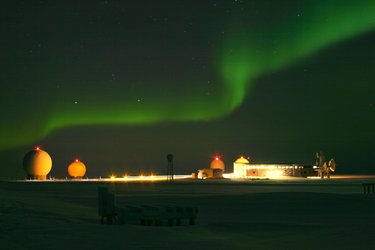
GOCEn raakadata otetaan vastaan Kiirunan ja Huippuvuorten maa-asemilla. Sieltä data lähetetään välittömästi Saksan Darmstadtissa sijaitsevaan Euroopan avaruusoperaatiokeskus ESOCiin, joka linkittää ne hyötykuormadatan käsittelyyn Euroopan kaukokartoituskeskukseen ESRINiin Italian Frascatissa. Data kalibroidaan ja validoidaan ja se käy läpi tärkeän muutoksen telemetriasta 'tason 1b' datatuotteeksi.
Tason 1b data koostuu GOCEn mittauksista, jotka on muunnettu, kalibroitu ja validoitu. Enimmäkseen tämä data on gravitaatiogradientteja instrumentin havaintonäkökulmasta sekä ratatietoa paikasta ja nopeudesta maakeskeisessä koordinaatistojärjestelmässä. Lisäksi siihen kuuluu tietoa satelliitin suuntauksesta sekä muuta täydentävää ylläpitodataa.
Ensimmäisen mittauskuukauden tiedot marraskuulta 2009 on nyt saatavana ilmaiseksi tieteellisille ja ei-kaupallisille käyttäjille ja lisää on tulossa seuraavien kuukausien aikana.
"Intensiivisen kalibrointi- ja validointivaiheen jälkeen olemme hyvin iloisia nähdessämme tiedeyhteisön aloittavan datan hyödyntämisen", kertoo GOCEn missiojohtaja Rune Floberghagen. "GOCE osoittautuu merkittäväksi Maan tutkimusmissioksi ja olemme varmoja, että data ei pelkästään muuta sitä, miten näemme planeettamme gravitaatiokentän, vaan myös miten gravitaatiokentän tietoa käytetään monissa eri geotieteissä."
Seuraavaksi tason 1b tiedot prosessoidaan tason 2 dataksi ns. korkean tason käsittelykeskuksessa (HPF). ESAn kontrolloimana 10 eurooppalaista gravitaatio- ja geodesiatutkimukseen erikoistunutta yliopistoa ja tutkimuskeskusta yhdistää osaamisensa ja operoi HPF:ää koko GOCEn käyttöiän ajan.
Ensimmäinen valmis malli julkistetaan ensi viikolla
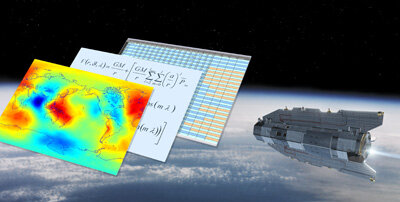
Ensimmäinen gravitaatiokentän malli (eli tason 2 data) julkistetaan ESAn Elävä planeetta -symposiumissa, joka järjestetään Norjan Bergenissä 28. kesäkuuta - 2. heinäkuuta.
"Elävä planeetta -symposiumi on monin tavoin GOCEn esiintulotapahtuma", Floberghagen arvioi. "Käytämme kaksi päivää tähän mennessä tehtyihin löytöihin ja odotamme ensimmäisen gravitaatiomallin julkistuksen viitoittavan tietä pitkälle ja menestyksekkäälle sarjalle gravitaatiokentän malleja, jotka perustuvat GOCEn uudenlaisiin mittauksiin."
Lopullinen gravitaatiokartta ja geoidin malli antavat käyttäjille hyvin määriteltyjä datatuotteita, jotka ovat keskeisiä tieteen kehitykselle ja monenlaisille osa-alueille, jotka ulottuvat geodesiasta, geofysiikasta ja maanmittauksesta aina meritieteeseen ja merenpinnan tason tutkimukseen.
Tietoa GOCEn kaukokartoitusdatan hankkimisesta löytyy ESAn kaukokartoitusportaalista ja GOCEn tekniseltä sivustolta.
Satelliittia suuntaa suomalainen ohjelmisto

Gravitaatiotutkimuksessa on suomalaista osaamista, sillä Space Systems Finland (SSF) on päävastuussa keskustietokoneessa ajettavan ohjelmiston (platform application software, PASW) toteutuksesta.
"PASW:lla on GOCE-satelliitissa samantyyppinen rooli kuin käyttöjärjestelmällä kotitietokoneessa, sen avulla voi suorittaa korkean tason sovelluksia", kuvailee GOCE-projektissa jo seitsemän vuotta PASW-ohjelmiston pääarkkitehtina työskennellyt Pauli Väisänen.
"Avaruusprojekteissa laitteistot ovat niin erikoisia yksittäiskappaleita, että täysin valmista käyttöliittymää ei ole, vaan ne räätälöidään projektikohtaisesti."
Ohjelman päätarkoitus on pitää satelliitti halutussa asennossa, kerätä instrumenttien tuottama tieteellinen havaintodata talteen, välittää sekä välittömät maakomennot että valmiiksi ajastetut toimintaskriptit, ja raportoida laitteiston tila.
"Oli hieno kokemus olla mukana GOCEn laukaisussa viime vuoden keväällä", Väisänen kertoo. "Pääsin neljäksi päiväksi ESOCin satelliittiohjauskeskukseen Darmstadtiin Saksaan, jossa satelliitista otettiin vastuu heti sen päästyä halutulle kiertoradalle."
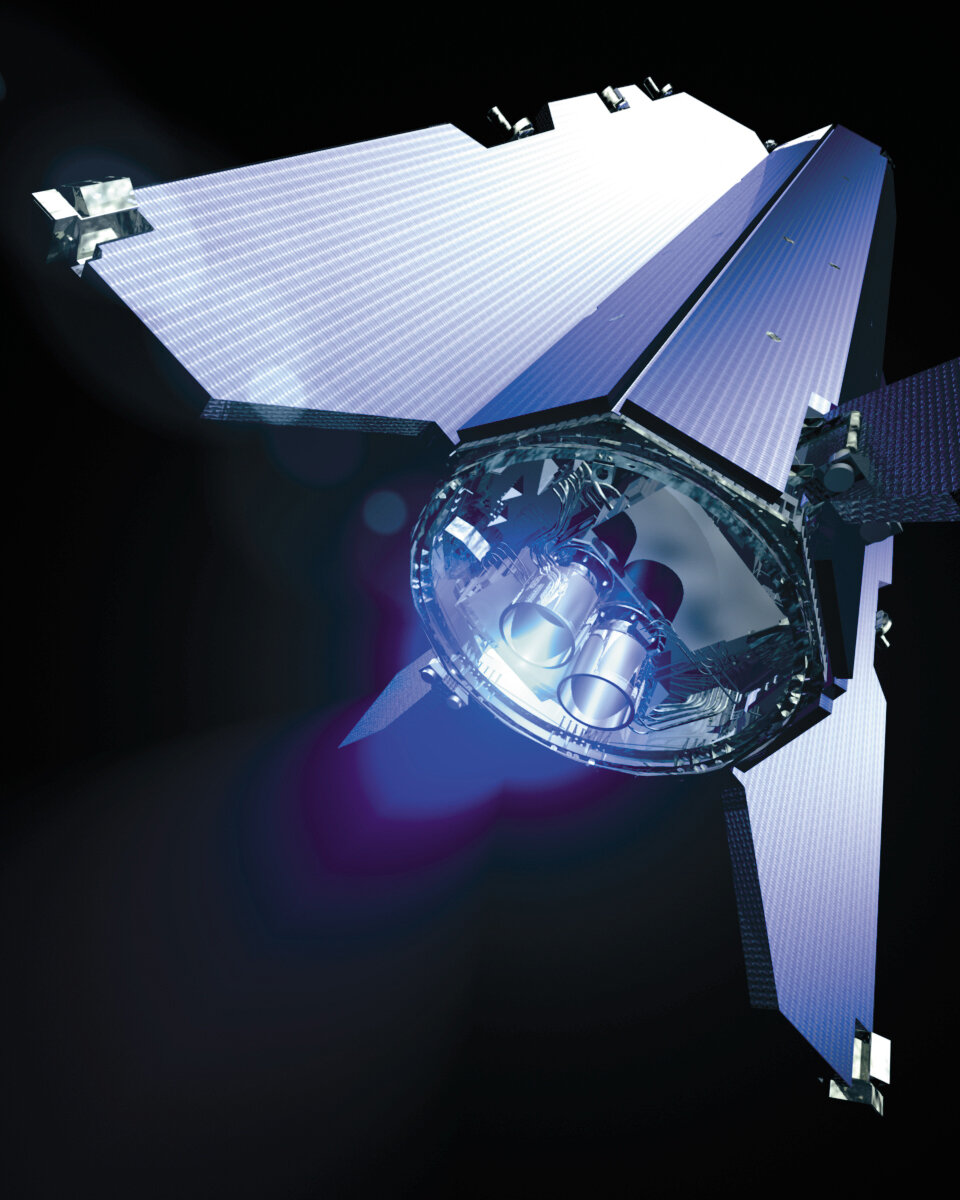
Dramatiikkaa oli mukana, sillä ensimmäinen laukaisuyritys keskeytettiin venäläisen kantoraketin ongelman vuoksi. Onneksi uudelleen päästiin koittamaan jo seuraavana päivänä.
"Seuraava yritys onnistuikin hienosti", Väisänen muistelee. "Paras hetki ei ollut lähtö, vaan muutamaa tuntia myöhemmin satelliitin irtautuminen kantoraketin viimeisestäkin osasta ja jääminen omilleen, oman järjestelmänsä varaan. Ensimmäisen vapaan kierroksen jälkeen vastaanotettu ensimmäinen todellinen raportti satelliitin tilasta ja sen kertoma onnistunut järjestelmäkäynnistys oli hurraa-huutoineen ja juhlineen ikimuistoinen hetki."
Vuoden kuluessa ohjelmisto on toiminut moitteetta ja osoittautunut luotettavaksi käytössä. "Tottakai aivan odotetusti säätöalgoritmien parametrejä on hiottu vastaamaan todellista tilannetta, erityisesti ilman tiheyden kannalta", Väisänen huomauttaa. Ohjelmistoon on myös tehty pieniä rutiinipäivityksiä satelliitin ollessa kiertoradalla.
"Odotan suurella jännityksellä lisää tarkkoja tietoja tiededatan laadusta ja siitä saatavista tuloksista, tähänhän menee vielä aikaa, mutta nyt saatiin jo erittäin rohkaisevia viestejä", lisää Väisänen.
Space Systems Finlandissa päähuomio on kuitenkin jo tulevaisuudessa. "Teemme työtä muun muassa ESAn Merkuriukseen tähtäävän BepiColombo-projektin parissa. Vastaamme kahden tiedeinstrumentin ohjelmistosuunnittelusta sekä satelliitin ohjausohjelmiston riippumattomasta verifioinnista."