SMART-1 views the edge of Luna Incognita: Mars on the Moon?
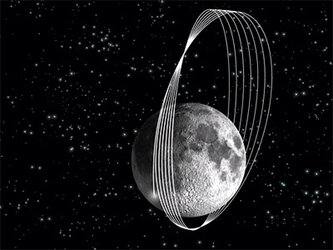
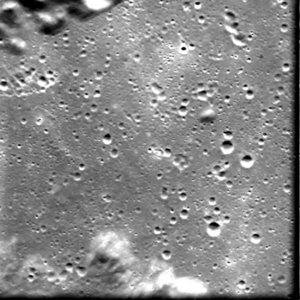
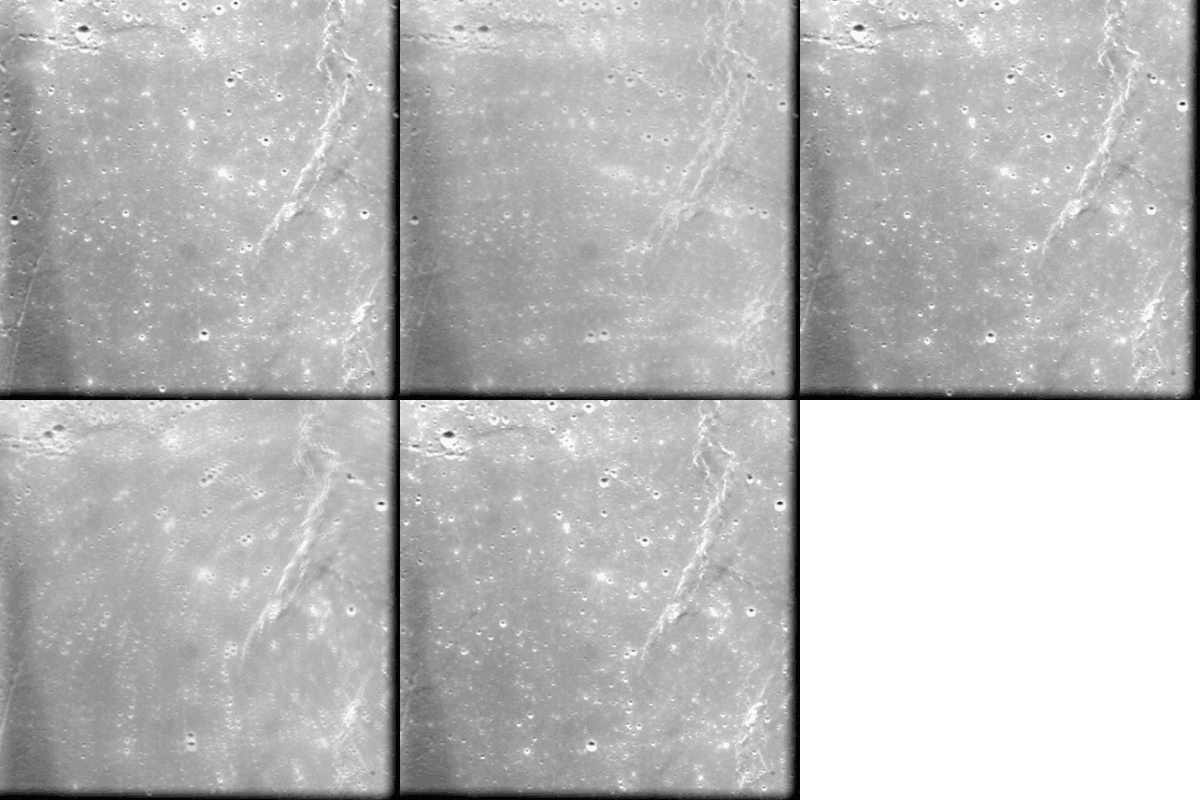
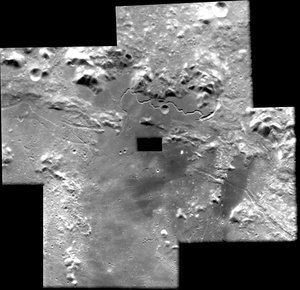
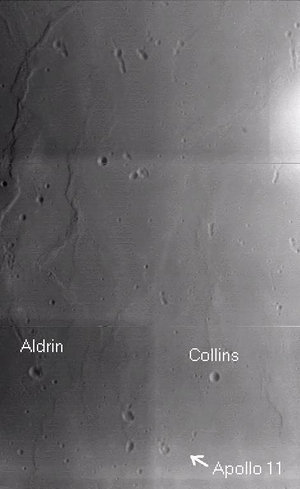
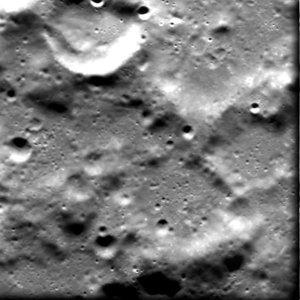
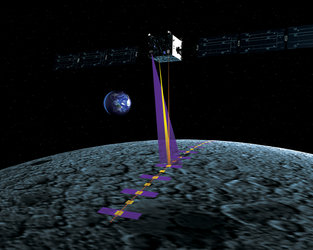
SMART-1 has investigated lunar areas at the edge of Luna Incognita. This area near the lunar poles can be used for lunar science studies, or even to prepare for human bases on the Moon and on Mars.
Mankind did not see the land called Luna Incognita, until the first probes sent images of the lunar farside.

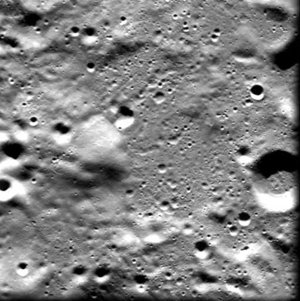
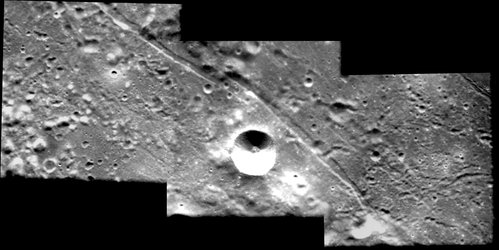
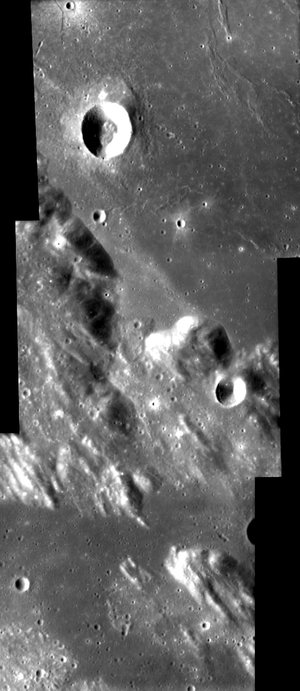
Plaskett crater sits close to the Moon's north pole, on the edge of Luna Incognita. Plaskett has a diameter of 109 kilometres and displays a central peak. This peak was formed during the crater's formation and is composed of rocks, originally from beneath the Moon's surface, which were melted and thrown up by the impact. As they rose above the surface they 'froze' and formed the peak. By analysing such central peaks, planetary scientists can deduce the vertical composition of the Moon’s subsurface regions.
Plaskett crater could play a key role in preparing humans for their eventual journeys to Mars. On such a mission, Earth would dwindle to a point and the astronauts would lose the familiar view of their home planet. From the lunar near side the Earth is a brilliant object, four times wider than the full Moon seen from Earth. The Earth seems to wobble in the sky due to a lunar motion called libration. From the lunar poles libration takes the Earth below the horizon for about half the month.
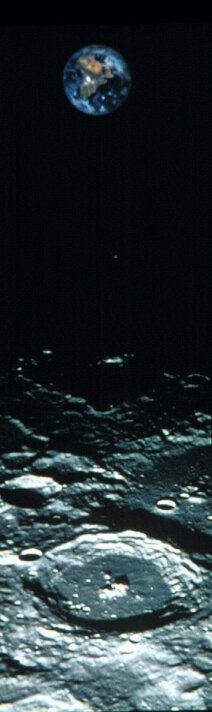
From Plaskett, on the far side of the Moon, the Earth can only be seen from the crater’s northern rim for just a few days during a few months every year.
"A human outpost there, on the edge of Luna Incognita, would allow us to study the effects of Earth-deprivation on a crew in a controlled way," says Bernard Foing, SMART-1's Project Scientist.
"It will allow us to simulate Mars operations and isolation, on the Moon, at a safe distance from a human base at the north pole."
Note to editors
Launched in September 2003, SMART-1 ended its mission through lunar impact on 3 September 2006. The huge data sets it provided are and will be analysed by lunar and planetary scientists, and provide a very important legacy in the history of lunar exploration.
For more information
Bernard H. Foing, ESA SMART-1 Project Scientist
Email: bernard.foing @ esa.int
Jean-Luc Josset, AMIE Principal Investigator, SPACE-X Space Exploration Institute
Email: jean-luc.josset @ space-x.ch