Herschel cryocover is open
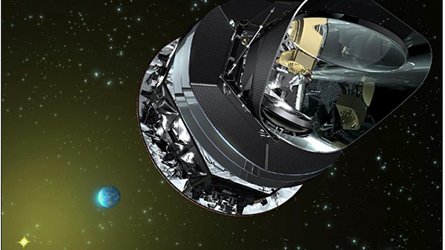
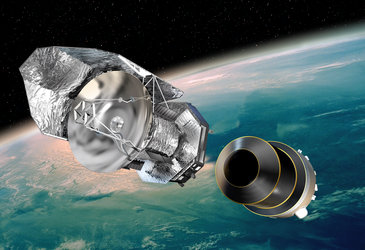
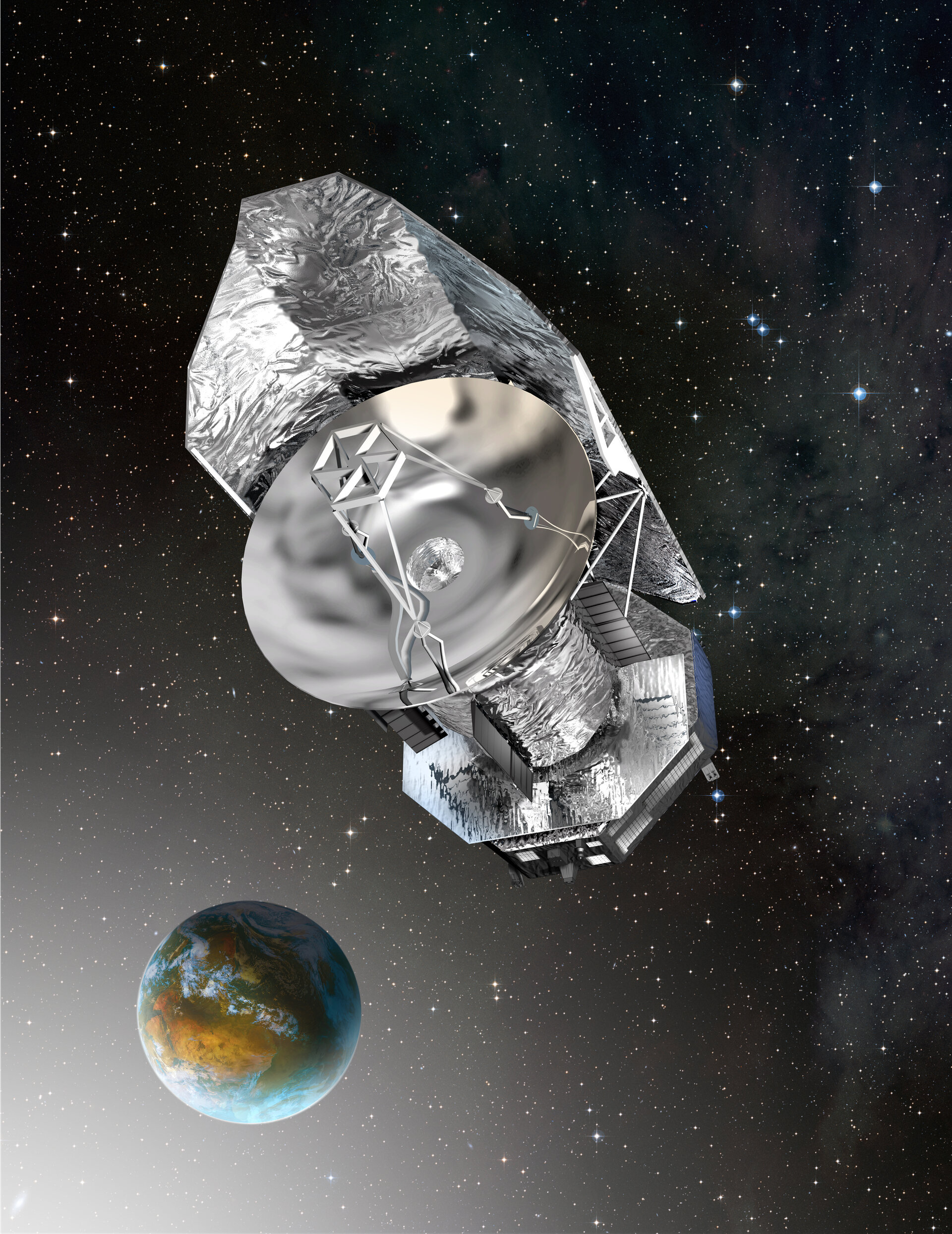
At 12:53 CEST yesterday, the cryocover of the Herschel satellite was opened after the spacecraft received a command to fire pyrotechnic bolts holding it down. This crucial step brings ESA's newest space telescope one step closer to starting its scientific mission.
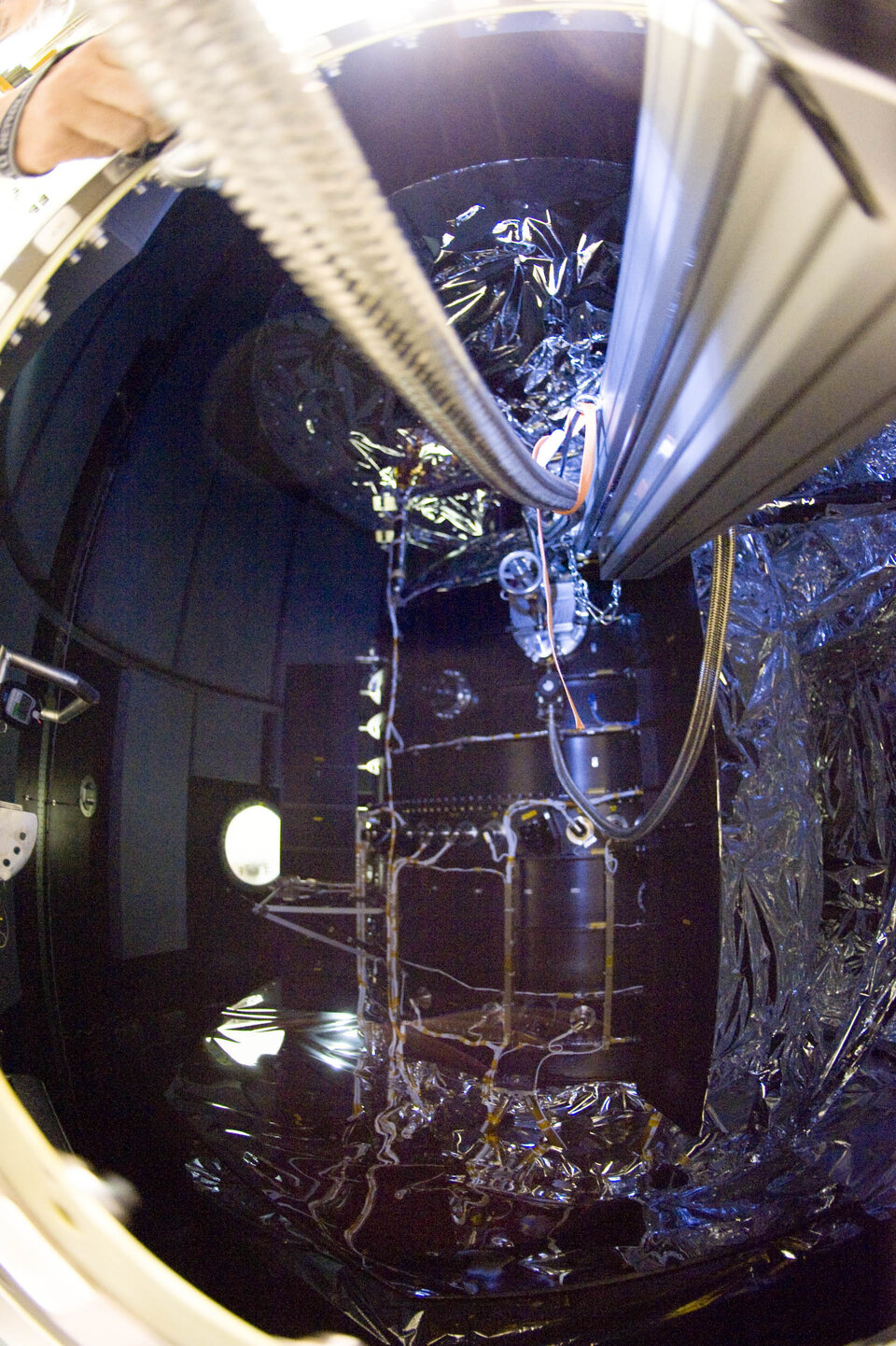
The cryocover is the Herschel telescope’s 'lens cap': it provides a high-vacuum tight closure of the cryostat on ground and during the early orbit phase, and preserves the cryogenic environment of the instrument focal plane units during activities on ground.
With the cryocover on, the instruments and the telescope cannot 'see'.
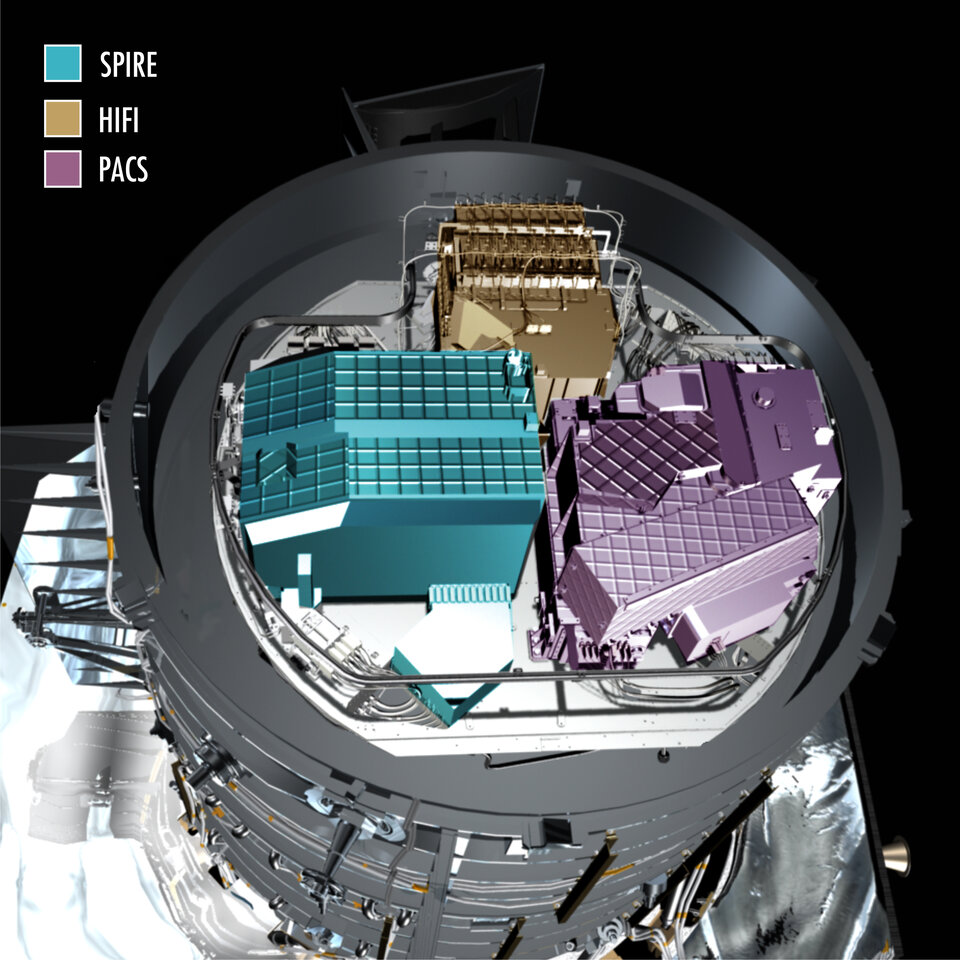
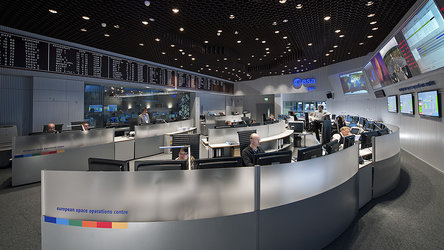
As Herschel is now in the vacuum of space and the first few weeks of out-gassing have passed, the cryocover could be opened safely. The command to open the cryocover was issued manually by spacecraft controllers at ESOC, ESA's European Space Operations Centre, in Darmstadt, Germany. Telemetry received just afterwards from the spacecraft indicated that the cryocover had reached the open position.
"The cryocover swung back and forth several times, pushing the satellite somewhat, and there were changes in temperature measured at several points close to the focal plane units, as expected. All this is consistent with the cryocover opening successfully. The final positive confirmation will come from the measurements with the Photoconductor Array Camera and Spectrometer instrument, which are under way this week," said Göran Pilbratt, ESA Herschel Project Scientist, speaking at ESOC.

The satellite is undergoing a series of post-launch check-outs and confirmations that will be followed by a thorough performance validation of the sophisticated instrument suite. This process will continue until late autumn when routine science operations will start.
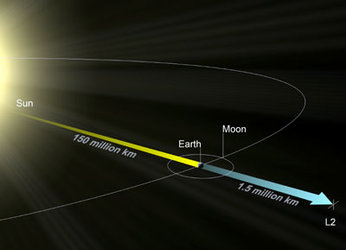
As of 14 June, Herschel was located approximately