Advanced Research in Telecommunications Systems (ARTES)
The objective of ESA’s Telecommunications programme is to enhance the competitiveness of European industry through a comprehensive set of research and development activities and by promoting the use of satellites for broadcasting and both fixed and mobile communications.
In addition to the R&D effort aimed at commercial services, the non-commercial market will make increasing calls on the telecommunications industry.
What is proposed?
ESA proposes the extension of the Telecommunications programme, implemented through the ARTES Declaration and its respective elements.
Today, a substantial proportion of commercial satellite capacity is being used by governments and other institutions. This is expected to increase. Consequently, ESA proposes to enlarge the scope of its Telecommunications programme to include the development of technology, equipment, systems and missions to address the needs of institutional users.
Why is it needed now?
ESA’s telecommunications strategy aims to keep European business and industry at the very forefront of the information age. ESA’s Telecommunications programme is one of the main contributors to the readiness and competitiveness of European space industry and is instrumental in the development of innovative satellite communications technology, systems and applications.
The European market share in telecommunications satellites in 2007 was 40%. This is to a certain extent due to ESA’s Telecommunications programme. However, the European satcom industry is threatened by the technological superiority of US manufacturers (supported by very large institutional programmes), the economic competitive edge of new suppliers from emergent space powers, and the pervasive deployment of terrestrial infrastructure. Extending the ESA Telecommunications programme is therefore more important than ever.
How will it be done?
The Telecommunications programme addresses the required development of each of the telecommunications market sectors. For each of these sectors the programme identifies market maturity and perceived trends, system-level characteristics, standardisation requirements and developments that are necessary for the space and ground segments.
In addition, under the programmatic framework provided by the different ARTES elements, potential missions and the development of Telecommunications applications are proposed and implemented.
ESA foresees the following:
- Continuation of the Strategic Analysis Element: ARTES 1
- Continuation of the technology, systems and applications Elements: ARTES 34 and ARTES 5
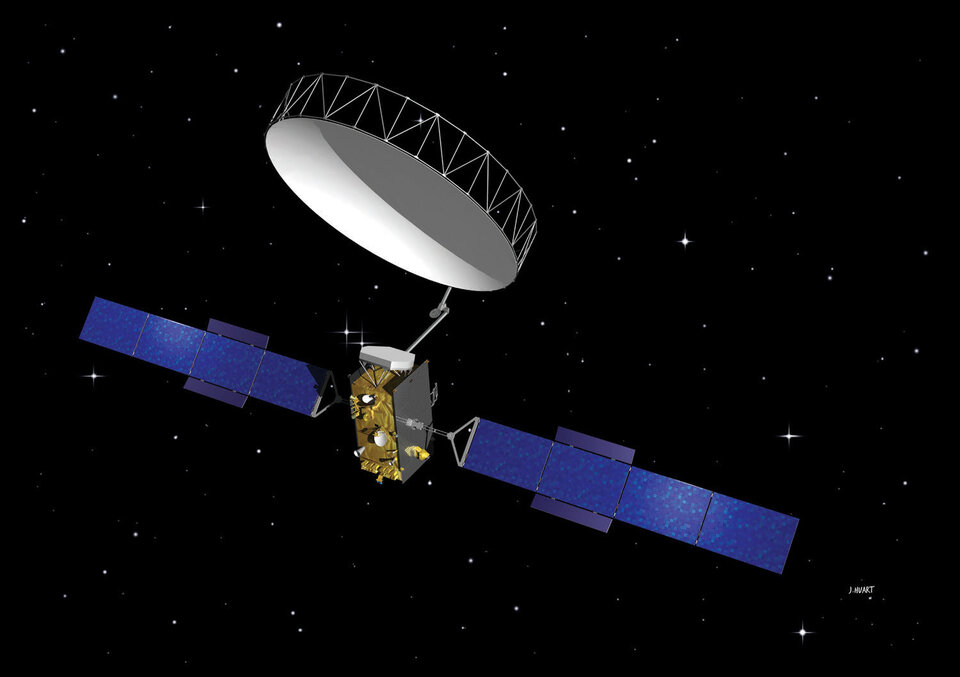
- Extension of the Alphasat Programme: ARTES 8
- Extension of the Small GEO Programme: ARTES 11
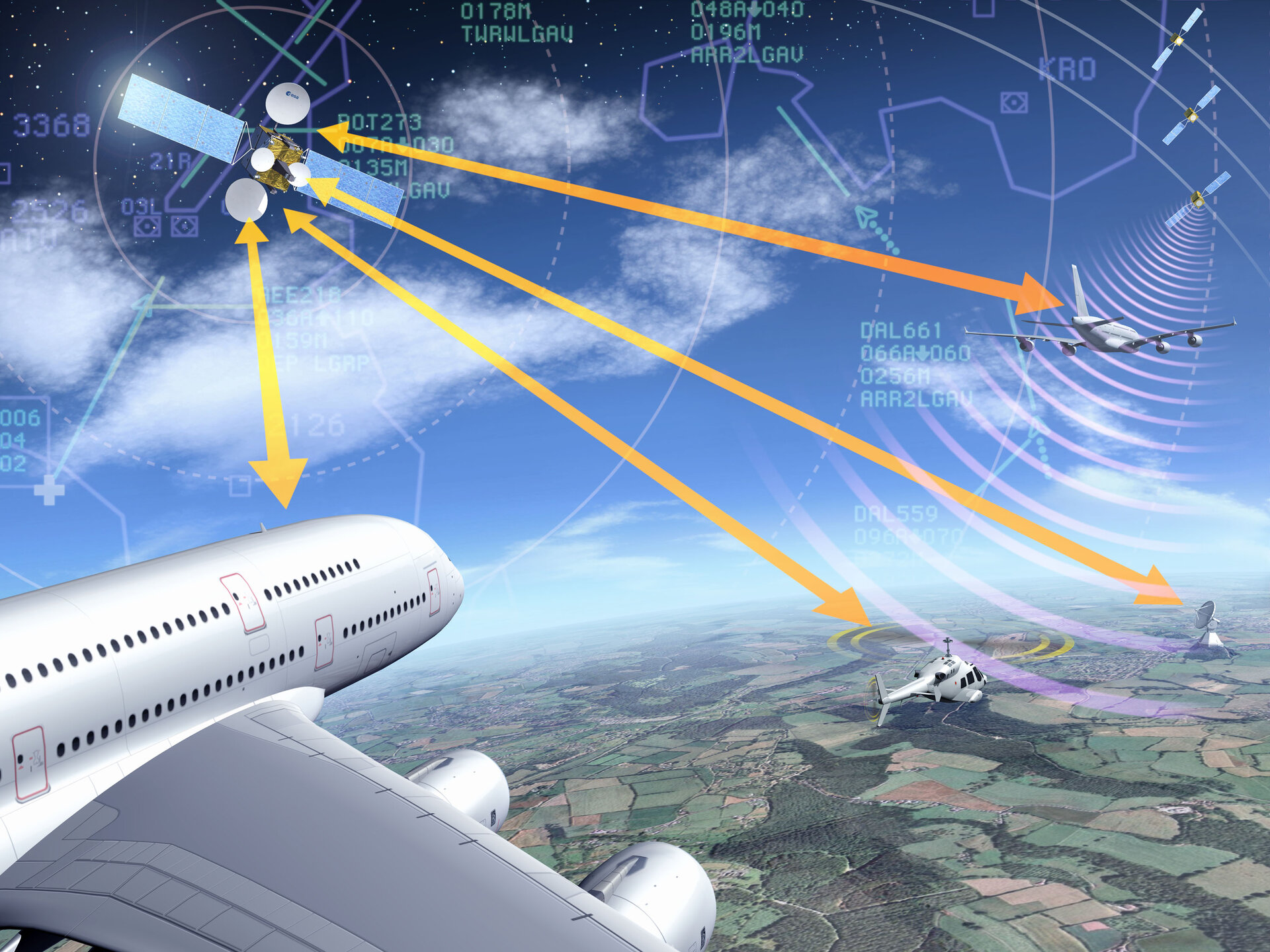
- Development phase of the Iris Programme for satellite communications for Air Traffic Management: ARTES 10
- A new element, the European Data Relay Satellite System: ARTES 7 (see separate article)
- A new element, the Integrated Application Promotion: ARTES 20 (see separate article)
Who will implement it?
This programme is driven by industry and operators with the support of ESA. Industry includes not only the space and ground segments, but also service providers and application providers. All ESA Member States participate in the Telecommunications programme.
How much will it cost?
The total budgetary requirement for ARTES is €915 million. For the financial envelope proposed, please refer to the Programme Declaration.
What are the benefits?
As a major facilitator of R&D activities, the Telecommunications programme enables European and Canadian businesses to develop world-class products and services. It creates independence from the USA and others, and helps European citizens to benefit from high-quality, cost-efficient telecommunications. With various satcom applications – from health services to civil protection and rescue operations – satellite communication improves the daily lives of everyone.