

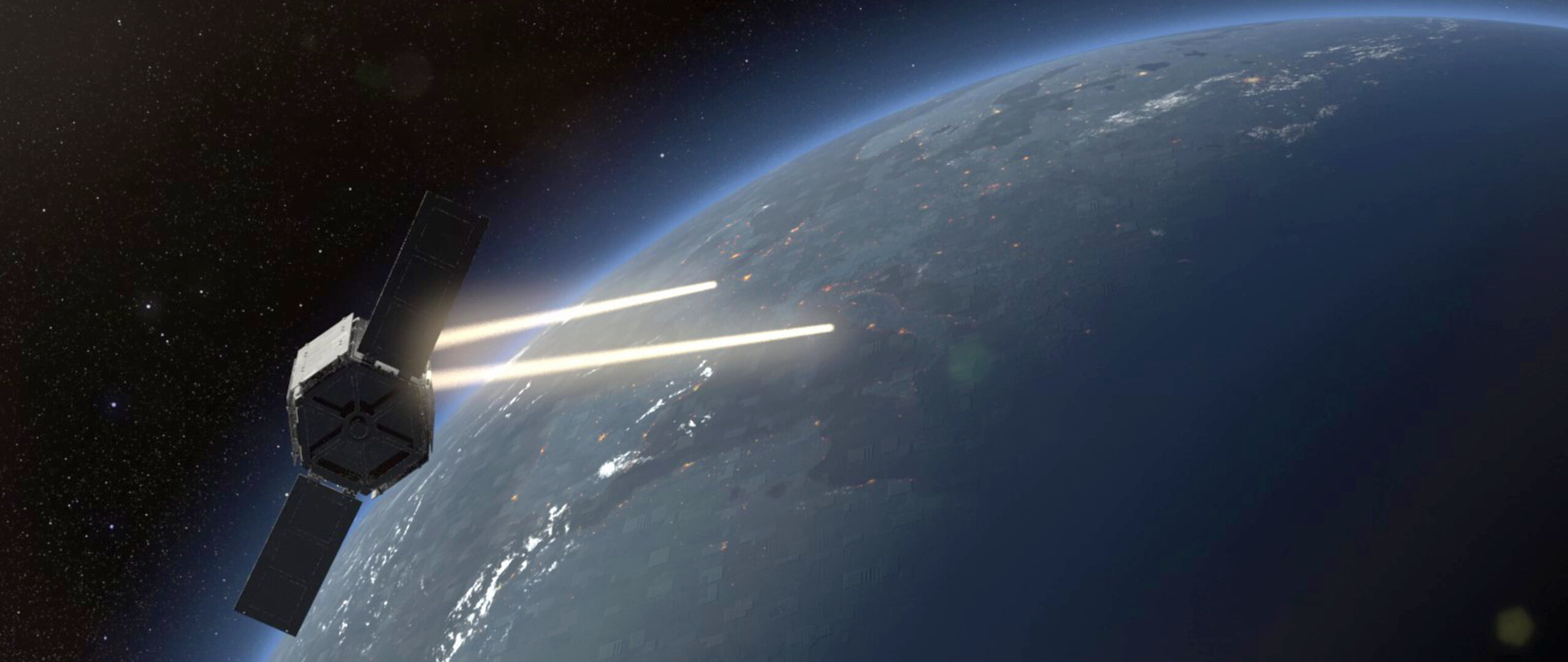
Saga – Security and cryptographic mission
Cybersecurity attacks can severely compromise the integrity of information shared between two parties. To address this challenge, the European Space Agency’s (ESA) Saga mission aims to deliver a secure space‑based Quantum Key Distribution (QKD) system for institutional communications. The Saga mission will include a satellite as a part of a broader space and ground system, complementing the quantum communication networks currently under development across European Union Member States as part of the EuroQCI initiative.
Saga focuses on the in-orbit demonstration of a secure, space-based Quantum Key Distribution (QKD) system, together with the validation of a non-classified service. Within this framework, Saga will develop, mature, and demonstrate operational capabilities for secure space- and ground-based QKD technologies, preparing them for future classified applications and contributing to the establishment of a European quantum-secure communications infrastructure. By validating these capabilities, Saga will contribute to strengthening the resilience of Europe’s digital infrastructure and support the protection of sensitive institutional data.
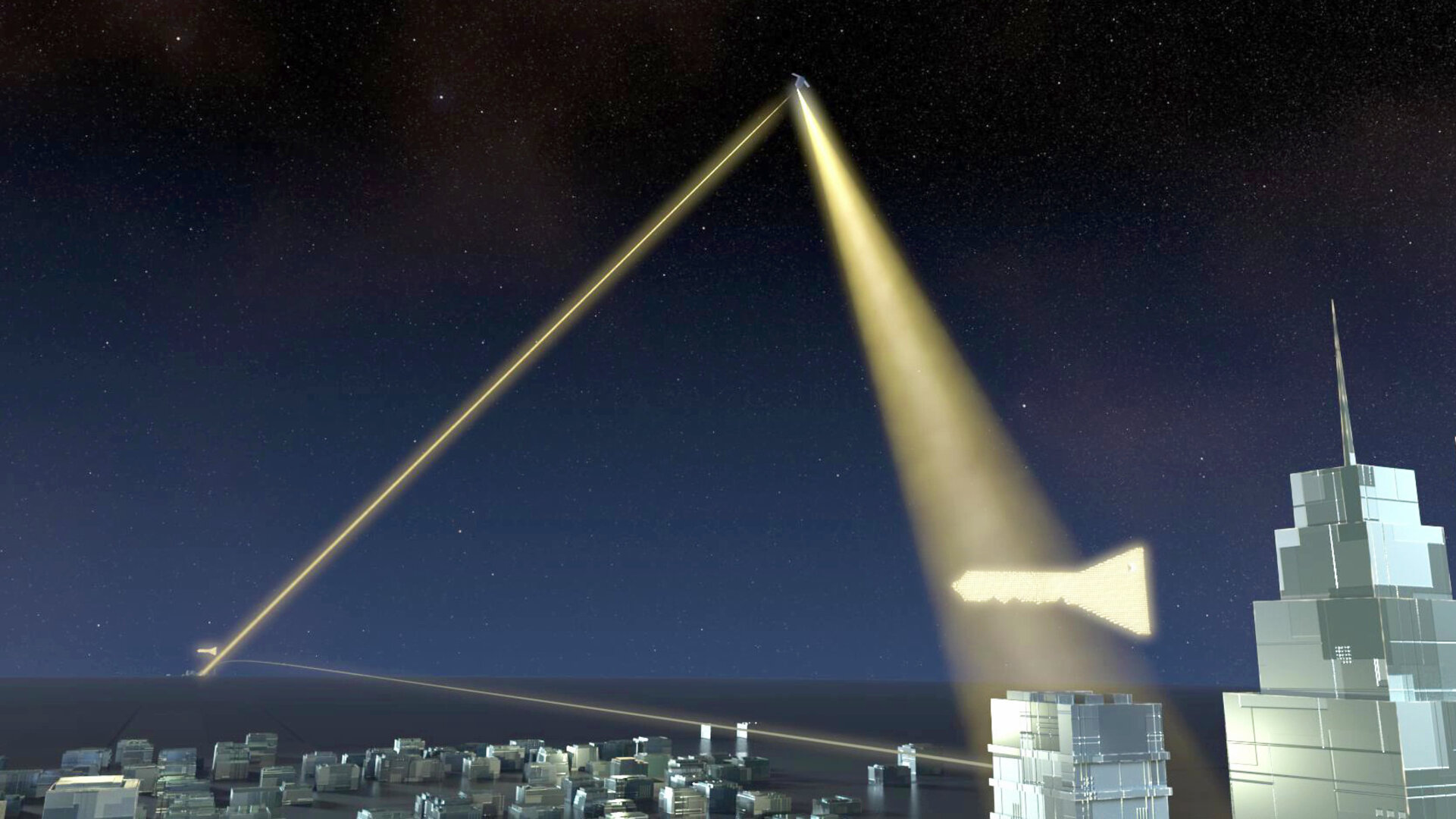
It is possible to generate cryptographic keys between two actors using the principles of quantum mechanics. Quantum bits are the fundamental units of quantum information. Unlike classical computer bits, which can only exist as 0 or 1, quantum bits can exist in multiple states simultaneously. In QKD, these quantum bits are usually encoded onto individual particles of light, called photons, allowing encryption keys to be exchanged securely. Any attempt to eavesdrop on the photons changes their quantum state and leads to irregularities that can be detected.

Access the video
Saga is developing an advanced security proof – namely a rigorous mathematical framework for assessing the security of the system. Over the years, several attacks against QKD systems have been developed, taking advantage of the gaps between the ideal assumptions used in security proofs and the behaviour of real hardware. To reduce these weaknesses, Saga’s security proof will clearly take these hardware limitations into account and include them in the security framework, helping make the system more robust.
Unlike other ESA-led quantum missions, such as Eagle-1 and QKDSat, which focus on commercial quantum communication services, Saga targets primarily institutional services.
The Saga mission supports the broader European Quantum Communication Infrastructure (EuroQCI). EuroQCI is an initiative by the European Commission to answer Europe’s need for sovereign and secure communications.