Introducing the Sentinel-5 mission
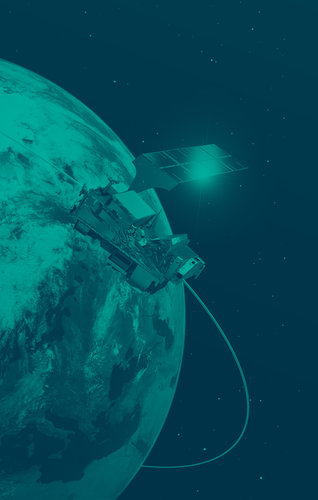
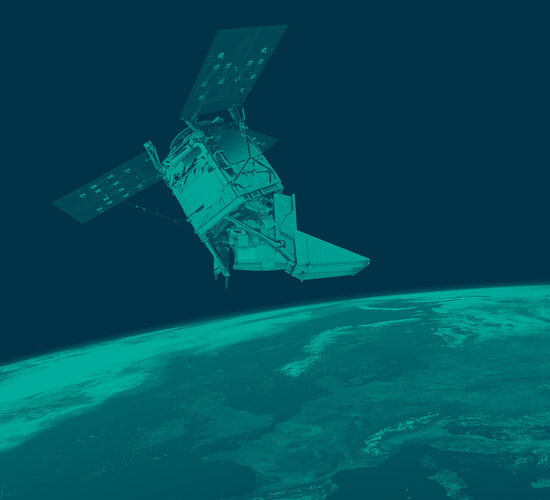
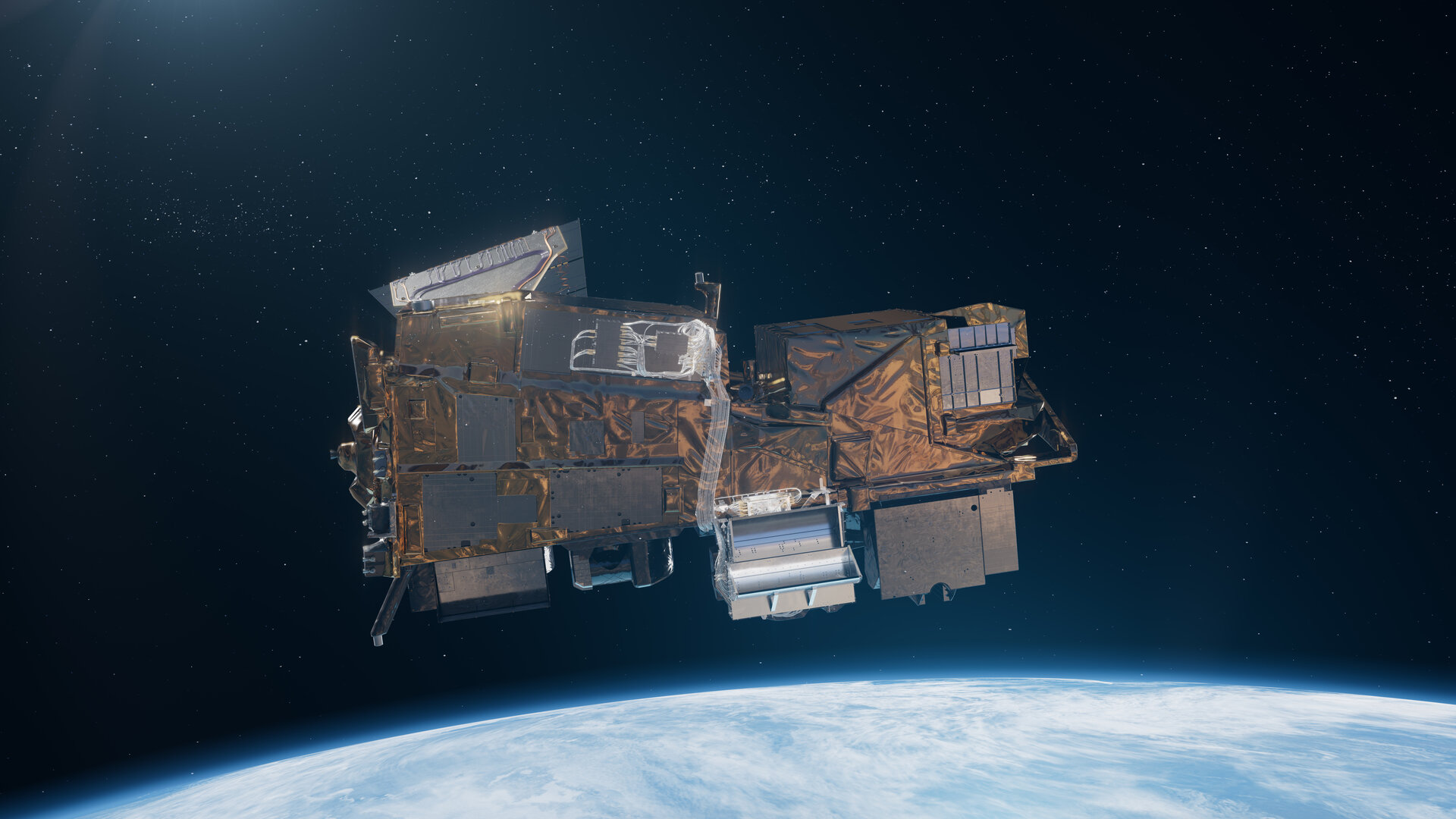
Sentinel-5 is a Copernicus mission that is hosted on the MetOp Second Generation A-type weather satellites. It builds on the success of the Copernicus Sentinel-5 Precursor mission and introduces an advanced imaging spectrometer.
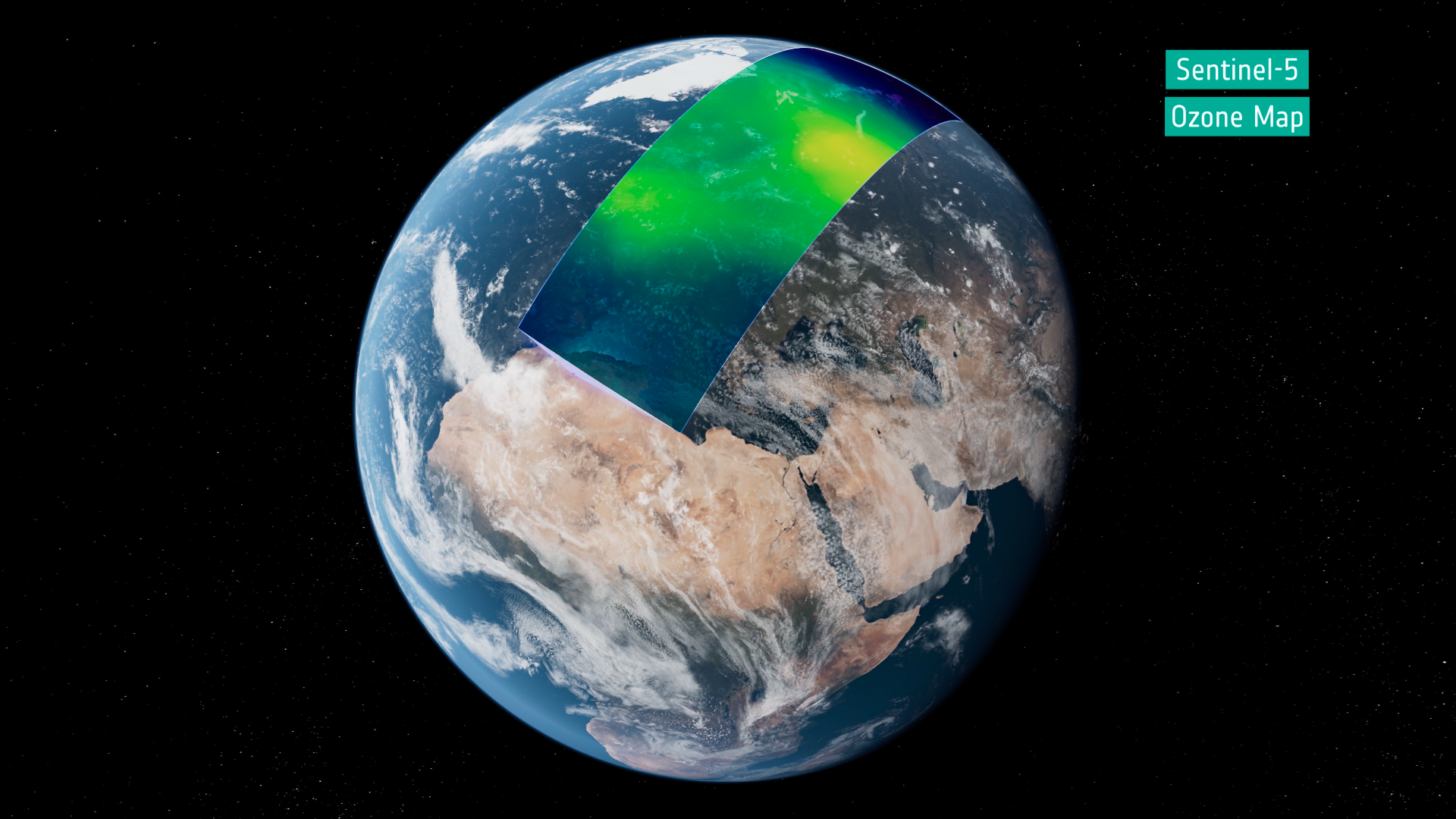
This cutting-edge instrument delivers important data on the composition of the atmosphere. It measures the distribution of atmospheric trace gases such as ozone, nitrogen dioxide, sulphur dioxide, formaldehyde, glyoxal, carbon monoxide and methane, as well as aerosols. These components not only affect the air we breathe, but also our climate.
The Copernicus Sentinel-5 mission marks a step change in monitoring and forecasting global air quality. It delivers daily global data on atmospheric gases and aerosols. Its observations include key air pollutants, essential climate variables, and stratospheric ozone that protects us from ultraviolet radiation.


Access the video
Data from the Sentinel-5 mission will improve our understanding of air pollution, ozone, UV radiation and climate change, and support services that inform us about related risks, including forecasts and health alerts. This is crucial because outdoor air pollution contributes to more than four million premature deaths worldwide each year, while over-exposure to UV radiation can also cause skin cancer.
Sentinel-5 data support the Copernicus Atmosphere Monitoring Service, which provides vital information on air pollution, public health, solar energy, greenhouse gases, and climate. Additionally, the Copernicus Climate Change Service and the scientific community use Sentinel-5 data for climate research.
By providing data once a day, covering the whole globe, Sentinel-5’s global observations complement data from the Sentinel-4 mission. While Sentinel-4 flies in a geostationary orbit at a distance of 36 000 km from Earth, Sentinel-5 flies much closer, at an altitude of 832 km. It circles Earth in a polar orbit, which enables it to cover the whole globe once every 24 hours.
Access the video
Sentinel-5’s advanced imaging spectrometer is hosted on the MetOp Second Generation A-type weather satellite. Its deployment on three consecutive satellites ensures continuous atmospheric monitoring for at least 21 years.
Copernicus Sentinel-5 is a world-class Earth observation mission developed with European partners. The Copernicus Sentinel-5 mission is the result of close cooperation between ESA, the European Commission, Eumetsat, industry, service providers and data users. Under the responsibility of ESA, Sentinel-5 was developed by a consortium led by Airbus Defence & Space. The consortium includes about 55 companies from different European countries. Sentinel-5 is operated by Eumetsat, which also handles data processing and distribution.