Arctic environment
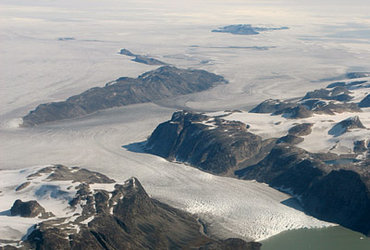
"Glaciers are a significant natural resource, providing energy, water and recreational opportunities"They are also important indicators of changes in our climate, presaging rises in sea level, changes in natural habitats and risks from floods and erosion. Monitoring glaciers through Earth Observation is a crucial component of our understanding of our understanding of the northern world."
Keith Finlayson, Polar Manager, United Nations Environment Programme Global Resource Information Database (UNEP-GRID) Centre, Arendel, Norway.
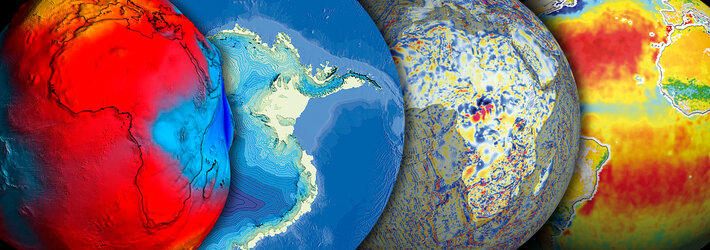
Arctic regions cover one seventh of our planet, but their extent, remoteness and isolation means that Earth Observation is the only means of obtaining information about them in both a technically feasible and cost effective way.
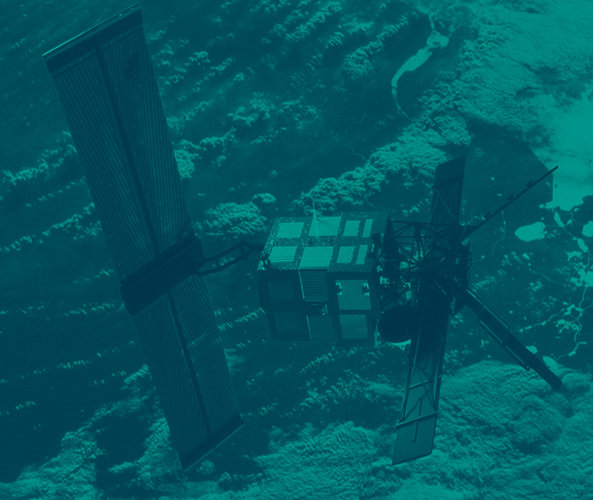
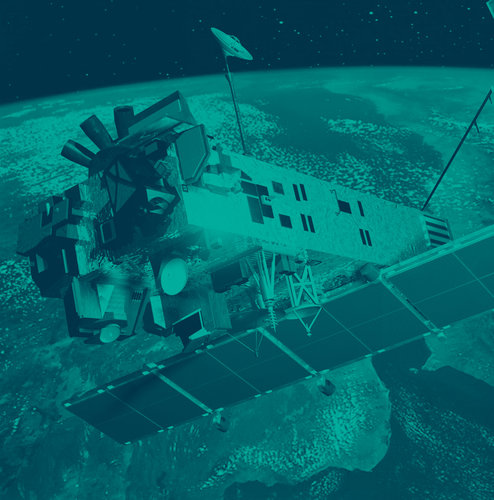
And modern satellite sensors can provide some types of information about the Arctic not available in any other way: radar images can distinguish between different types of ice and track the slow flow of glaciers while radar altimeters monitor changes in ice sheet thickness.
Earth Observation is current being used in support of services for Arctic waters as well as the land.

Sea-ice and the ten thousand plus icebergs calved from Arctic glaciers each year are an integral part of the regional ecosystem – as the iceberg population increases, fish stocks goes down due to colder waters in spawning grounds negatively influencing their breeding.
As well as studying the effects of climate change, Earth Observation is currently being used to assist operations in ice-frequented waters and support the traditional ice edge activities of indigenous peoples – Inuit communities in the Canadian Arctic venture onto the ice for hunting, but find their ability to safely navigate across it has diminished.
On land, glaciers and snow cover act as significant water reservoirs, storing precipitation for a time only to release it later – in ways that can either be useful or destructive.
Earth Observation of glaciers and snow cover is currently being used to predict hydropower generation levels, study the safety implications of glacier dynamics and the impact of global and regional climate change.