


Europe celebrates 30 years of satellite navigation
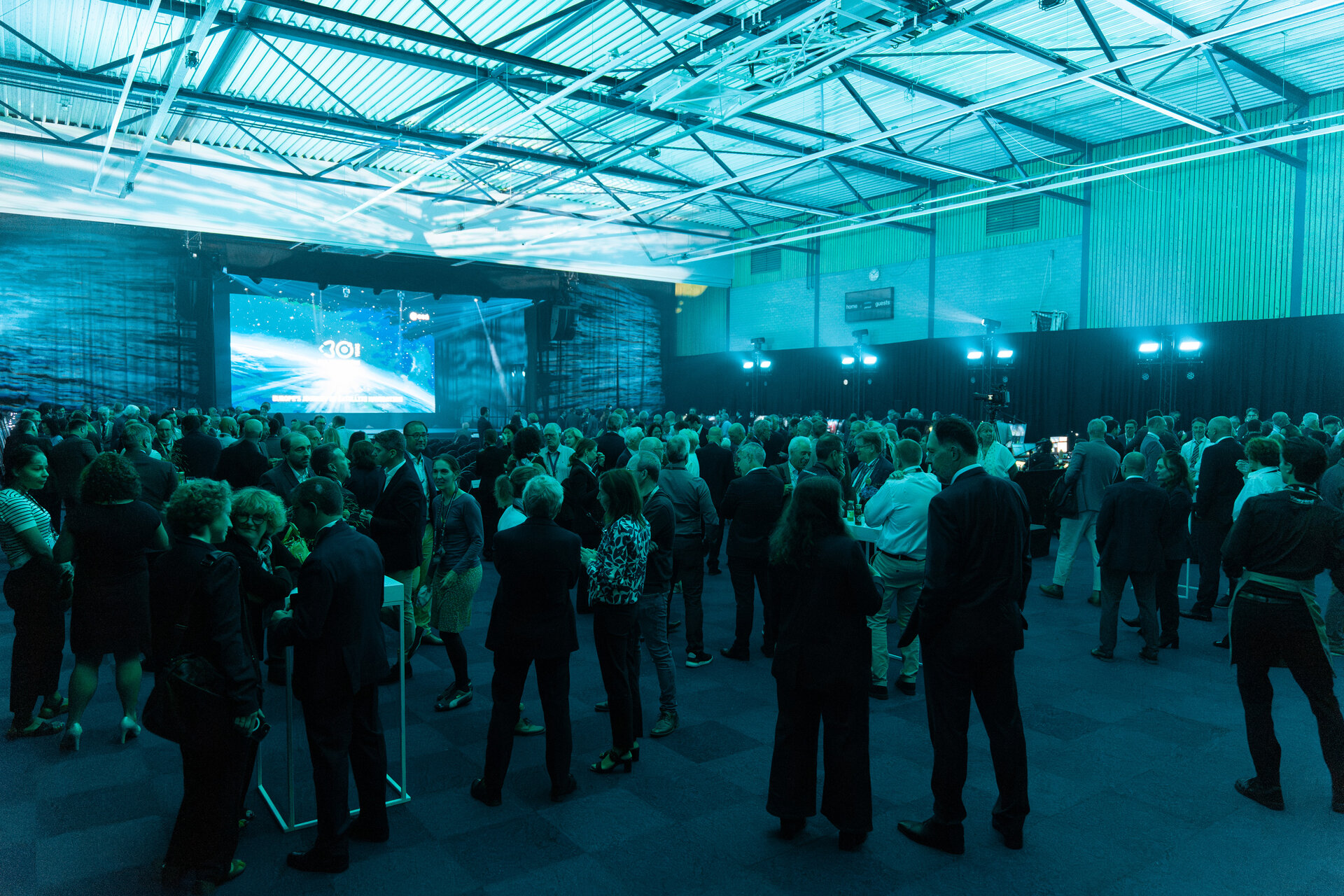
On 2 September 2025, the European Space Agency (ESA) opened the doors of ESTEC, its research and technology centre, to celebrate 30 years of European satellite navigation. Partners from across the continent gathered for a sensational event that took the audience on a journey through time, honouring the achievements and collaboration that have shaped this success story.
A star-lit tunnel welcomed hundreds of participants as they entered the venue of this special celebration. Stars were humanity’s first navigation tools, guiding explorers across land and sea. Today, we navigate with sophisticated global satellite systems like Galileo and EGNOS.
ESA, as designer of the European Union’s satellite navigation systems since their inception, hosted this celebration to pay tribute to the journey and people behind it. Guests included representatives from the European Commission (EC), the EU Agency for the Space Programme (EUSPA), Eurocontrol, ESA Member States, the Security Accreditation Board (SAB), institutions, industrial partners, former and current ESA Navigation directors and colleagues.
A photo exhibition invited visitors to reminisce about the beginnings of EGNOS and Galileo, while a captivating show mixing narration, theatre and video, brought to life incredible milestones, rekindled old friendships and introduced new concepts that will shape the future of satellite navigation.
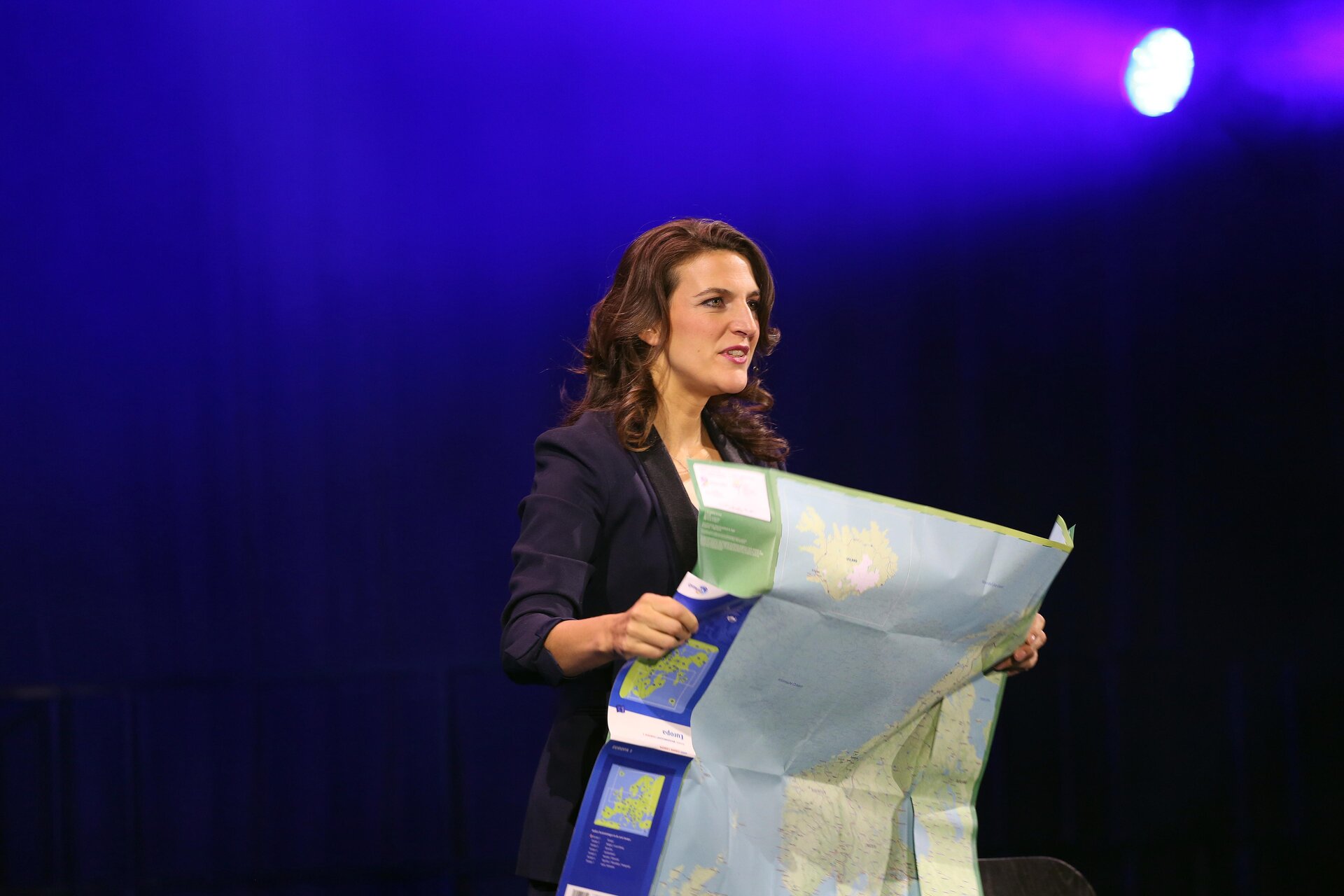
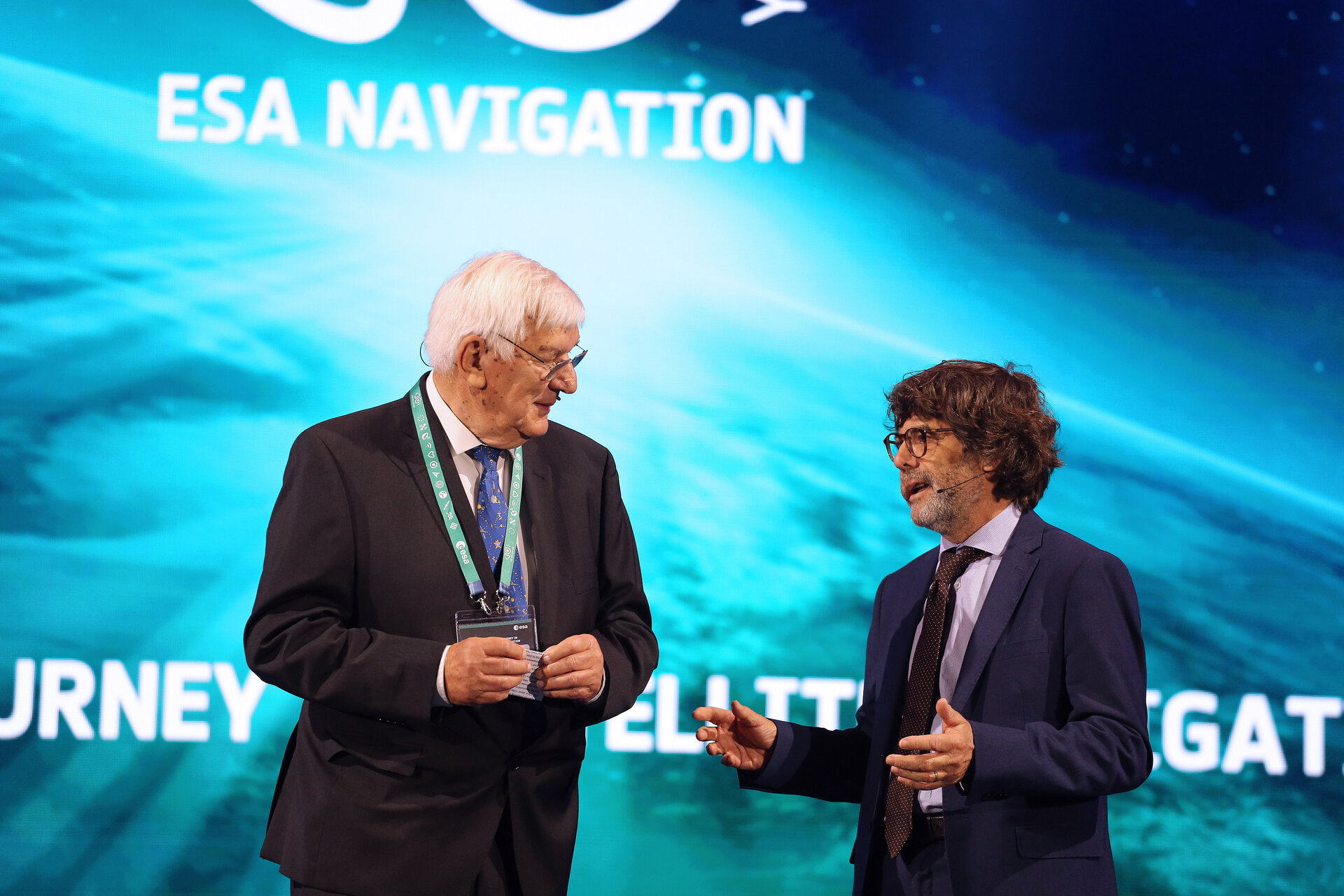
The show was formally opened by ESA Director General Josef Aschbacher and ESA Director of Navigation Javier Benedicto, and guided by science communicator Anna Gimbrere. Key contributions were made by special guests from ESA's institutional partners EC, EUSPA and the SAB. In addition, Filippo Camerota, Director of the Museo Galileo, announced the establishment of a new partnership with ESA.
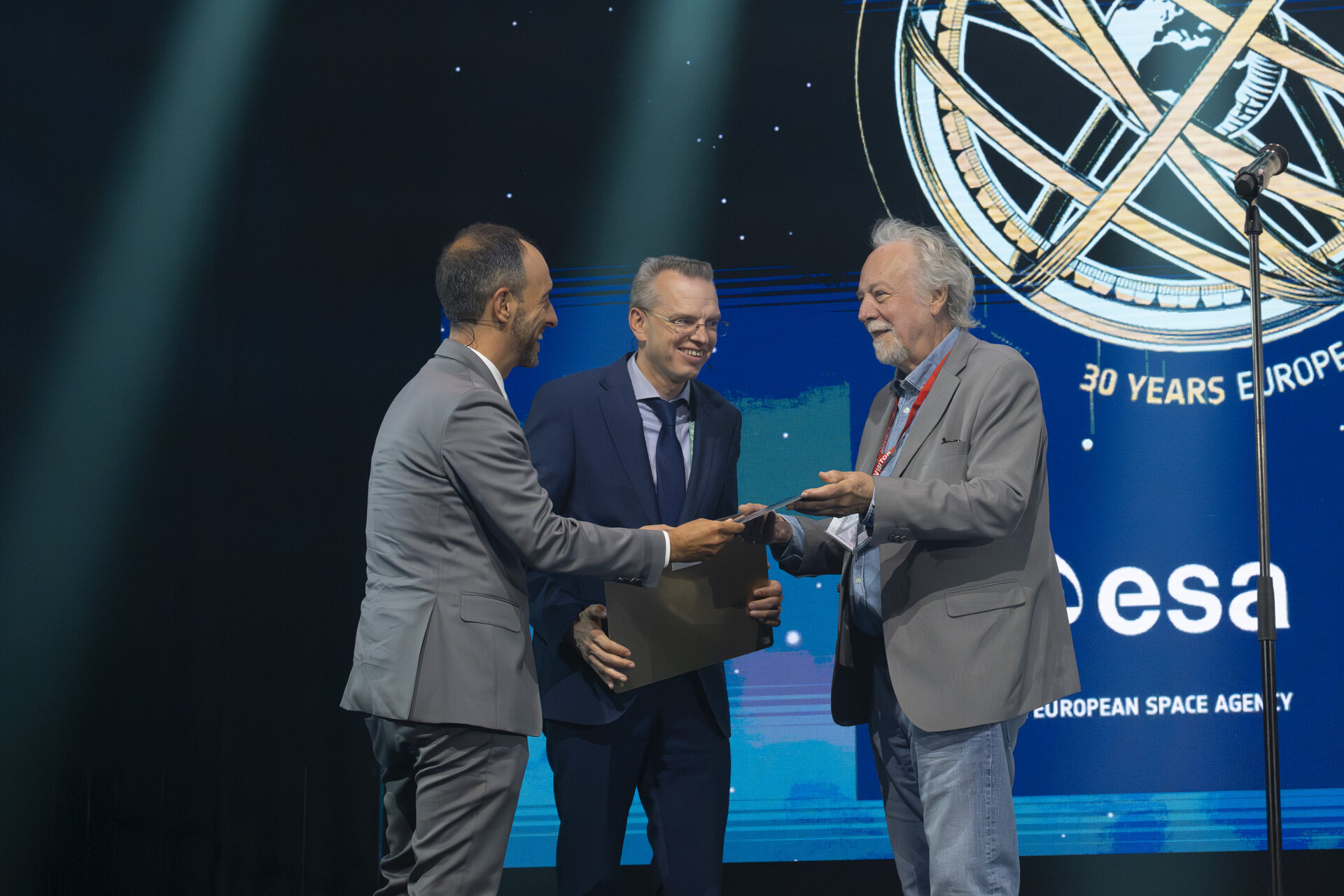
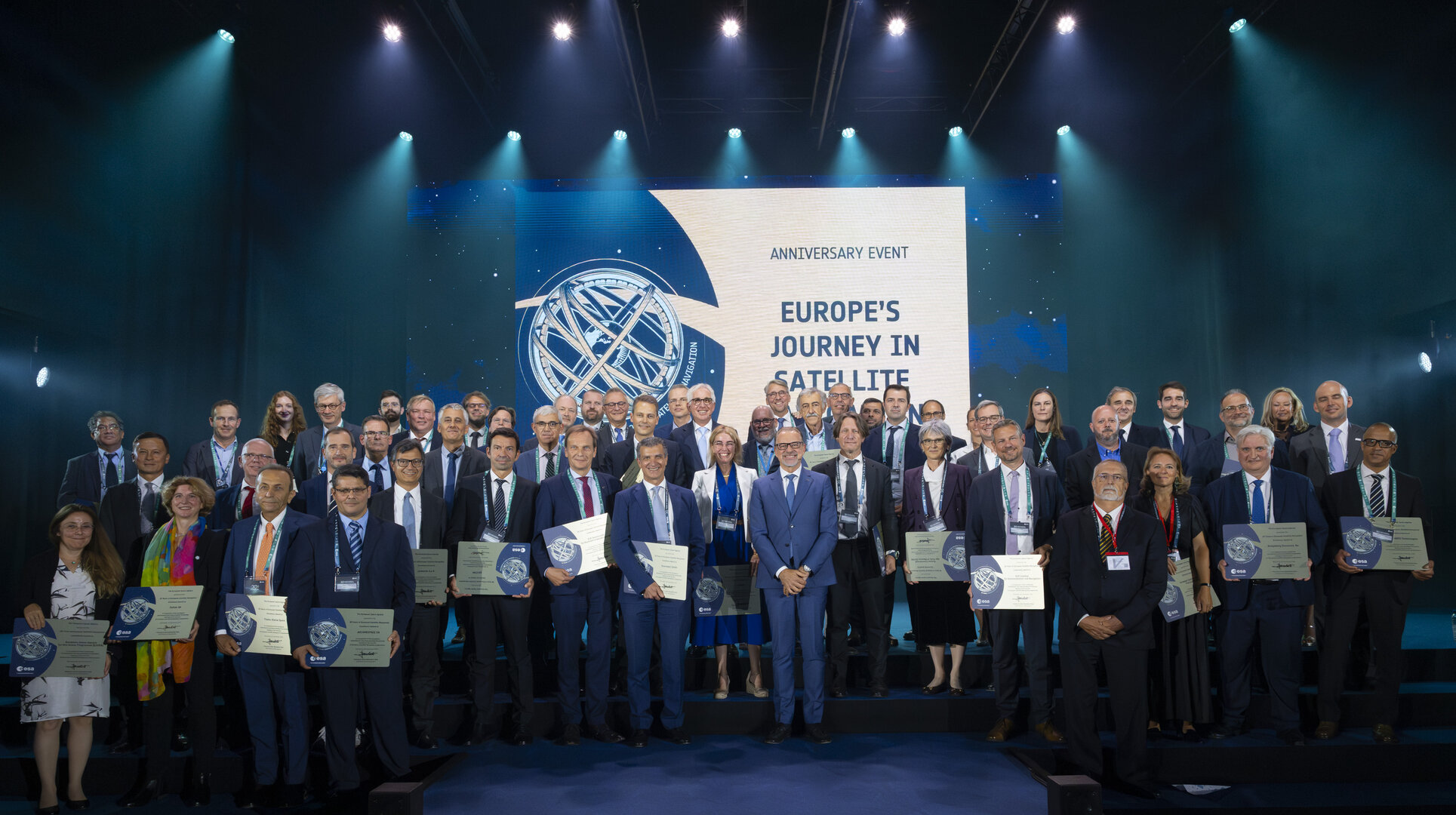
Above all, the event aimed to acknowledge everyone who has contributed to Europe's success in satellite navigation. So to top off the ceremony, Benedicto, supported by former directors Giuseppe Viriglio, René Oosterlinck and Paul Verhoef, presented awards to all those who have shaped this remarkable journey: institutional partners European Commission, EUSPA, Security Accreditation Board and Eurocontrol, industrial partners for EGNOS, Galileo and NAVISP, EGNOS operations and service providers, advisory bodies to ESA Navigation and the ESA Navigation Programme Board delegations of the ESA Member States.




A mission name is born

One of the most memorable moments of the celebration was the theatrical performance featuring Galileo Galilei and his imagined great-great-granddaughter Celeste, a satellite navigation engineer working at ESA. Together, they explored what the Italian genius would have thought of today’s navigation systems.
In a playful twist, the duo announced the name of ESA’s LEO-PNT mission: Celeste. The name is a symbolic wink to the scientific past on which satellite navigation is founded: Maria Celeste was Galileo’s daughter, and the two shared a strong emotional and intellectual bond.
The mission Celeste aims at demonstrating in orbit new capabilities for added resilience, representing a new dimension of strength for Europe’s navigation capabilities. Celeste’s in-orbit demonstrator features a constellation of ten satellites that will fly close to Earth to test innovative signals across various frequency bands. The first two Celeste satellites, built in parallel by GMV and Thales Alenia Space, are set to launch in the coming months.

ESA Member States join the celebration

On the special occasion of 30 years of satellite navigation in Europe, the quarterly meeting of ESA’s Navigation Programme Board (PB-NAV) that brings together delegates from ESA Member States took place at ESTEC, home to ESA Navigation.
Although ARTES-9, the programme that started EGNOS and Galileo, was established in the Telecommunications Directorate, its growth was so steady that by 1999, ESA decided to create a dedicated programme board for Navigation.
Since then, the PB-NAV has been a cornerstone in guiding ESA’s navigation strategy, shaping policy and execution of they key EU projects Galileo and EGNOS, and even beyond with FutureNAV and NAVISP.
The 135th PB-NAV not only honoured the past, it also looked ahead. Delegates discussed proposals for ESA’s Council at Ministerial Level, to be held this November, a pivotal moment for the next chapter of European satellite navigation.

For more images, visit the ESA Photo Library.