

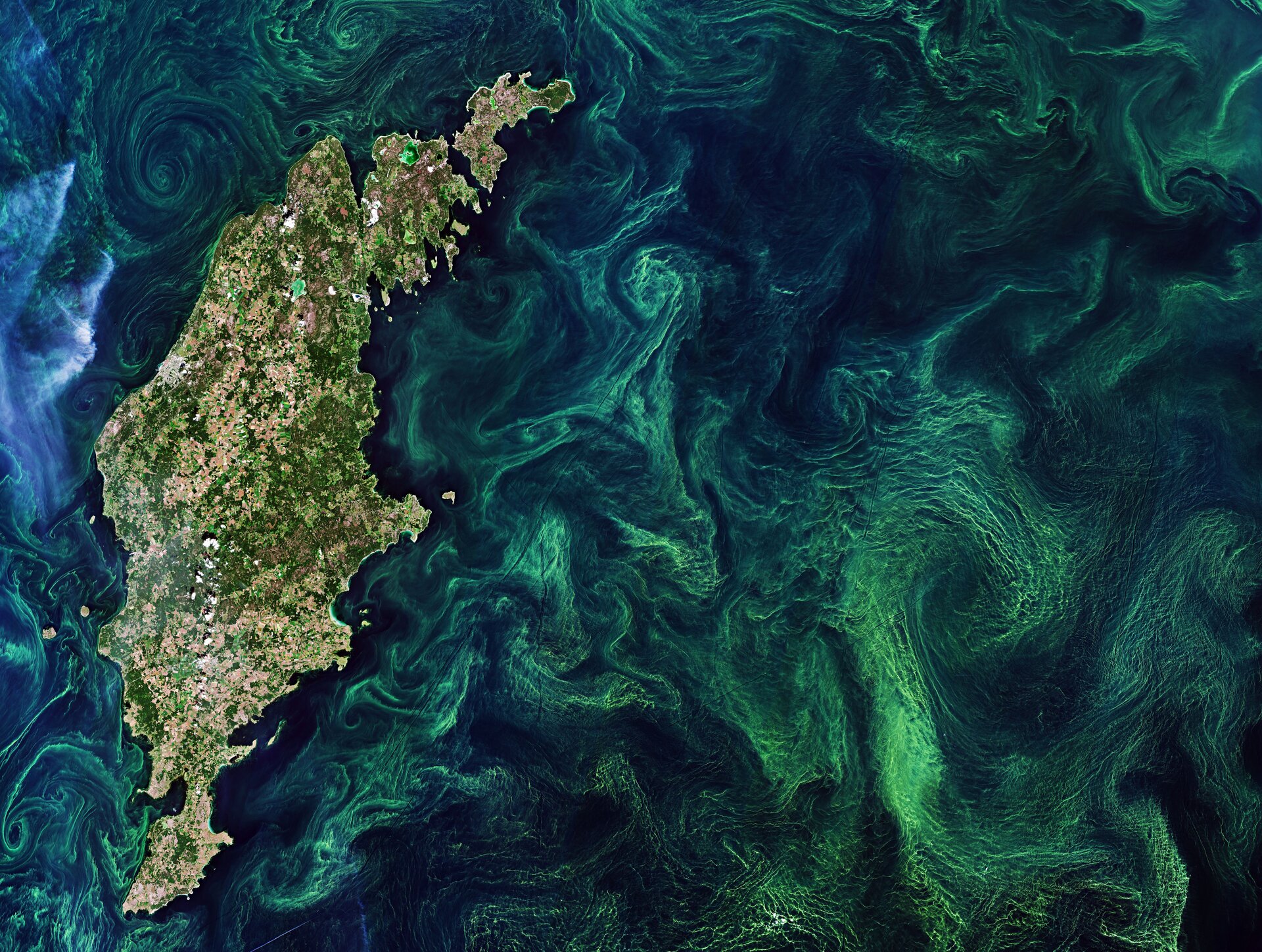
Algal Blooms from Space
In brief
Did you know satellites can help us detect microscopic life from hundreds of kilometres above Earth? With the Copernicus Browser, students can explore satellite images of algal blooms - dense aquatic plant growths that appear in oceans, seas, and lakes worldwide. Thanks to data from the Copernicus Sentinel-2 mission, it’s possible to observe and monitor algal blooms over time, explore their potential causes, and examine how they may be connected to environmental changes and human activity. Using real satellite data, students can investigate environmental changes and discover how satellites observing the Earth support water quality and biodiversity research. Dive in and explore our planet’s water bodies health from space!
In-depth
Algal Blooms from Space is a practical activity that uses satellite data from the Copernicus Sentinel-2 mission to study algal blooms. These rapid increase in algae can appear in water as green, brown, or reddish patches, often caused by excess nutrients, warm temperatures, and stagnant water. While some blooms are harmless, others release toxins that pose serious risks to aquatic life. In Europe, algal blooms represent a growing concern, with estimated costs exceeding 900 million euros annually for the tourism and fishing industries.
With the Copernicus Browser, students can access Earth observation and environmental data provided by the Copernicus Sentinel constellation, including places like the Baltic Sea, where algal blooms occur seasonally. Through tools like the time-lapse function and water quality filters, users can observe how blooms form and change over time, measure their spread, and even identify the movement of boats in affected waters.
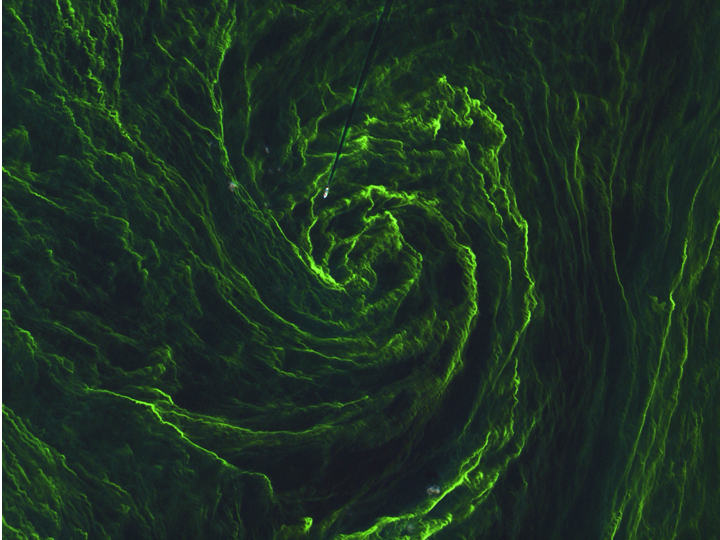
This case study supports inquiry-based STEM learning by encouraging students to ask questions such as:
• When do algal blooms occur most often?
• What environmental factors trigger them?
Students will not only explore data visually but also reflect on the societal, economic and ecological impacts of these phenomena. They’ll consider the strengths and limitations of satellite data compared to ground-based observations, discuss the environmental triggers of algal blooms, and reflect on real-world strategies to mitigate their effects on ecosystems and society.
This activity is adaptable for learners aged 12–18 and connects to subjects like geography, biology, environmental science, and physics. It’s a hands-on way to provide students easy access to Earth observation and environmental data allowing them to explore and develop key competences and knowledge.
To go further, use this case study alongside the Copernicus Browser Teacher Guide, Oil Spills from Space case study, and other themed resources such as the Climate Detectives project.
Access the full activity here and start tracking algal blooms from space!