

Cometary missions
Comets are the most primitive objects in the Solar System. Many scientists think that they have kept a record of the physical and chemical processes that occurred during the early stages of the evolution of our Sun and Solar System.
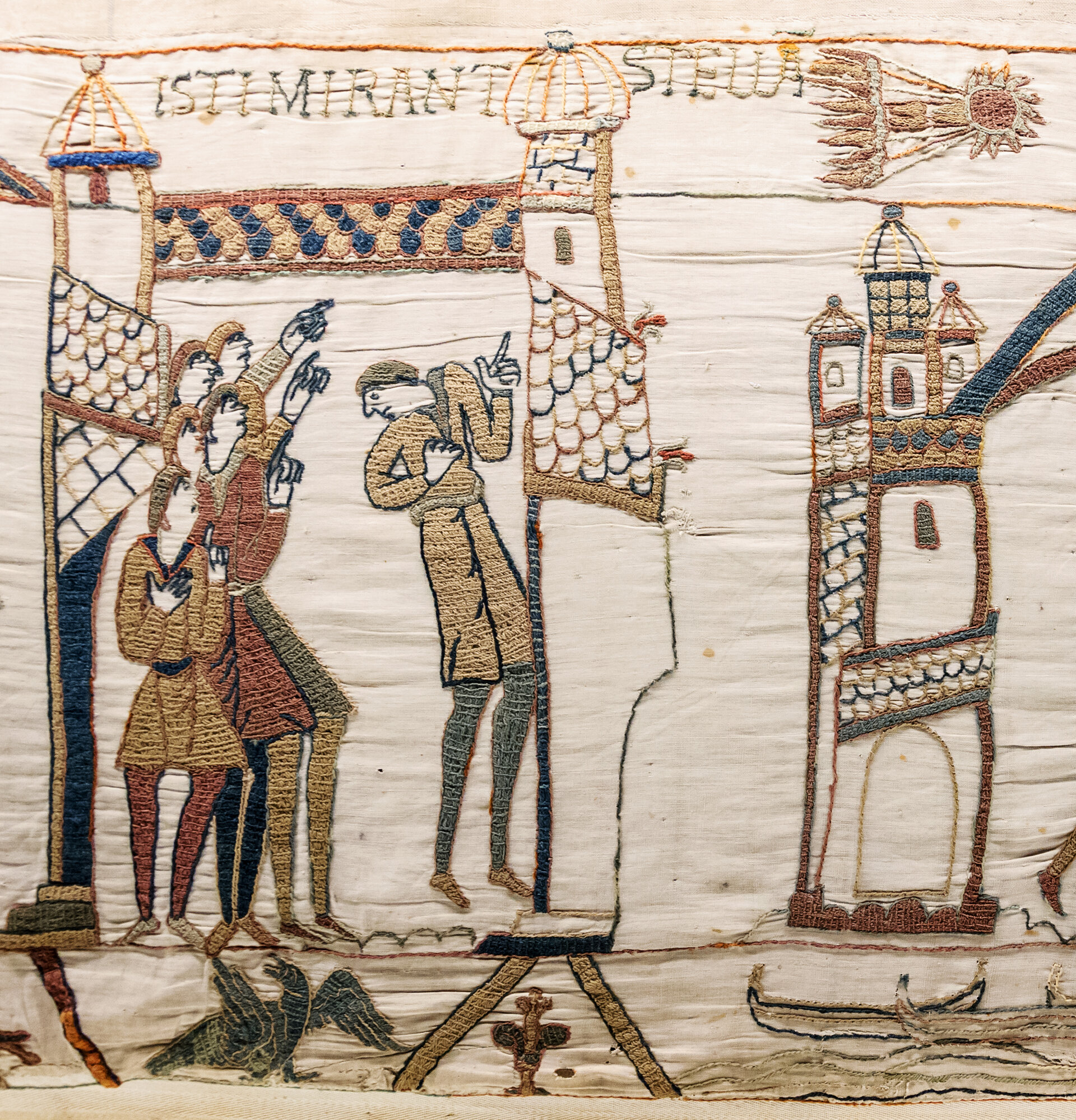
ESA launched two missions with cometary destinations. The Giotto mission was launched in 1986 and successfully rendezvoused with Comet Halley that year and Comet Grigg–Skjellerup in 1992. In 2004, ESA launched Rosetta on a ten-year journey to land on Comet 67P/Churyumov-Gerasimenko.
Giotto (1986-1992)

Giotto was ESA’s first deep-space mission. In 1986, it passed closest to the nucleus of a comet, Halley. Its images showed for the first time the shape of a comet nucleus and found the first evidence of organic material in a comet. In 1992, after a long cruise through space, Giotto was directed to Comet Grigg-Skjellerup. It sent back a lot of information, passing just 200 kilometres from the nucleus.
- Giotto factsheet The Giotto mission at a glance
- Giotto overview A look at the highlights of the mission
Articles
Rosetta (2004-2014)
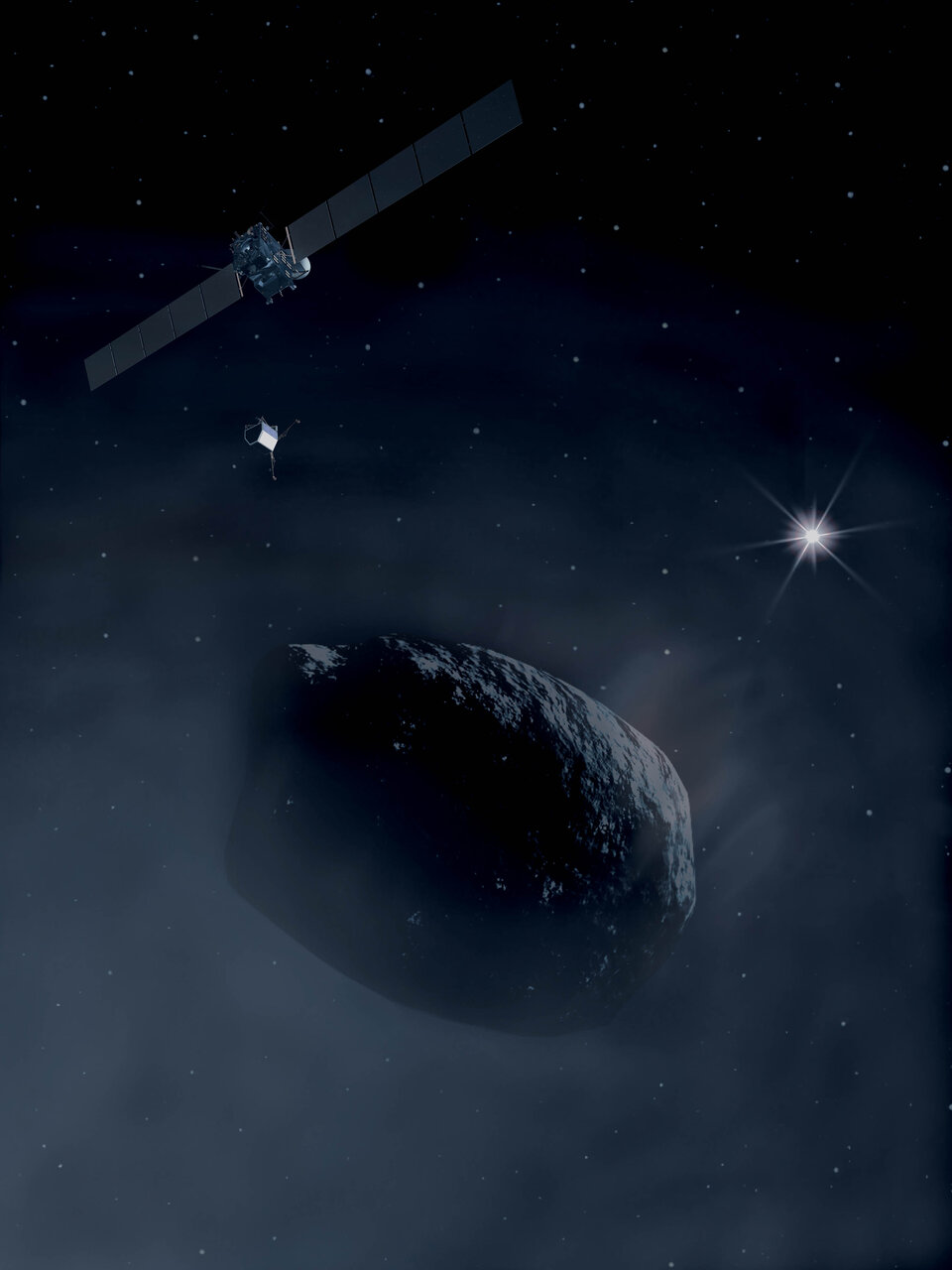
Rosetta will be the first mission ever to land on a comet. After its lander reaches the comet, the main spacecraft will follow the comet for many months as it heads towards the Sun. Rosetta's task is to study comets, which are considered the primitive building blocks of the Solar System. This will help us to understand if life on Earth began with the help of 'comet seeding'.
Rosetta is one of the most challenging missions ever attempted. Many of the complex navigation and landing manoeuvres need to take place automatically with absolutely no room for error. The complications of sending a small spacecraft halfway across the Solar System and making a soft landing on a small comet are immense.
- Rosetta factsheet The Rosetta mission at a glance
- Rosetta overview A look at the highlights of the mission
- Rosetta at a glance
Articles