• → European Space Agency

      • Space for Europe
      • Space News
      • Space in Images
      • Space in Videos
    • About Us

      • Welcome to ESA
      • DG's News and Views
      • For Member State Delegations
      • Business with ESA
      • ESA Exhibitions
      • ESA Publications
      • Careers at ESA
    • Our Activities

      • Space News
      • Observing the Earth
      • Human Spaceflight
      • Launchers
      • Navigation
      • Space Science
      • Space Engineering
      • Operations
      • Technology
      • Telecommunications & Integrated Applications
    • For Public

    • For Media

    • For Educators

    • For Kids

    • ESA

    • Operations

    • Ground Systems Engineering

    • Space Debris

    • SSA

    • Operations
    • Operations home
    • Background
    • About Operations
    • The Right Stuff
    • Multimedia

      • Images
      • Videos
    • SSA programme
    • Space Situational Awareness
    • Teams on ground
    • Ground Systems Engineering
    • EGOS - Ground operation system
    • Missions in space
    • Solar and planetary
    • Astronomy & fundamental physics
    • Earth observation
    • Human spaceflight
    • Technology demonstration
    • Estrack operations
    • Past missions
    • ESA mission history
    • - Find a mission: A...Z
    • Mission control centres
    • ATV Control Centre (ATV-CC)
    • Columbus Control Centre (Col-CC)
    • Ground stations
    • Estrack tracking stations
    • ESTRACK Control Centre
    • - Find a station: A...Z
    • OPS Community
    • Advanced Operations Concepts Office
    • HSO Exchange
    • Knowledge Management at ESA's Operations team

    ESA > Our Activities > Operations

    ESA tracking support essential to Chinese mission

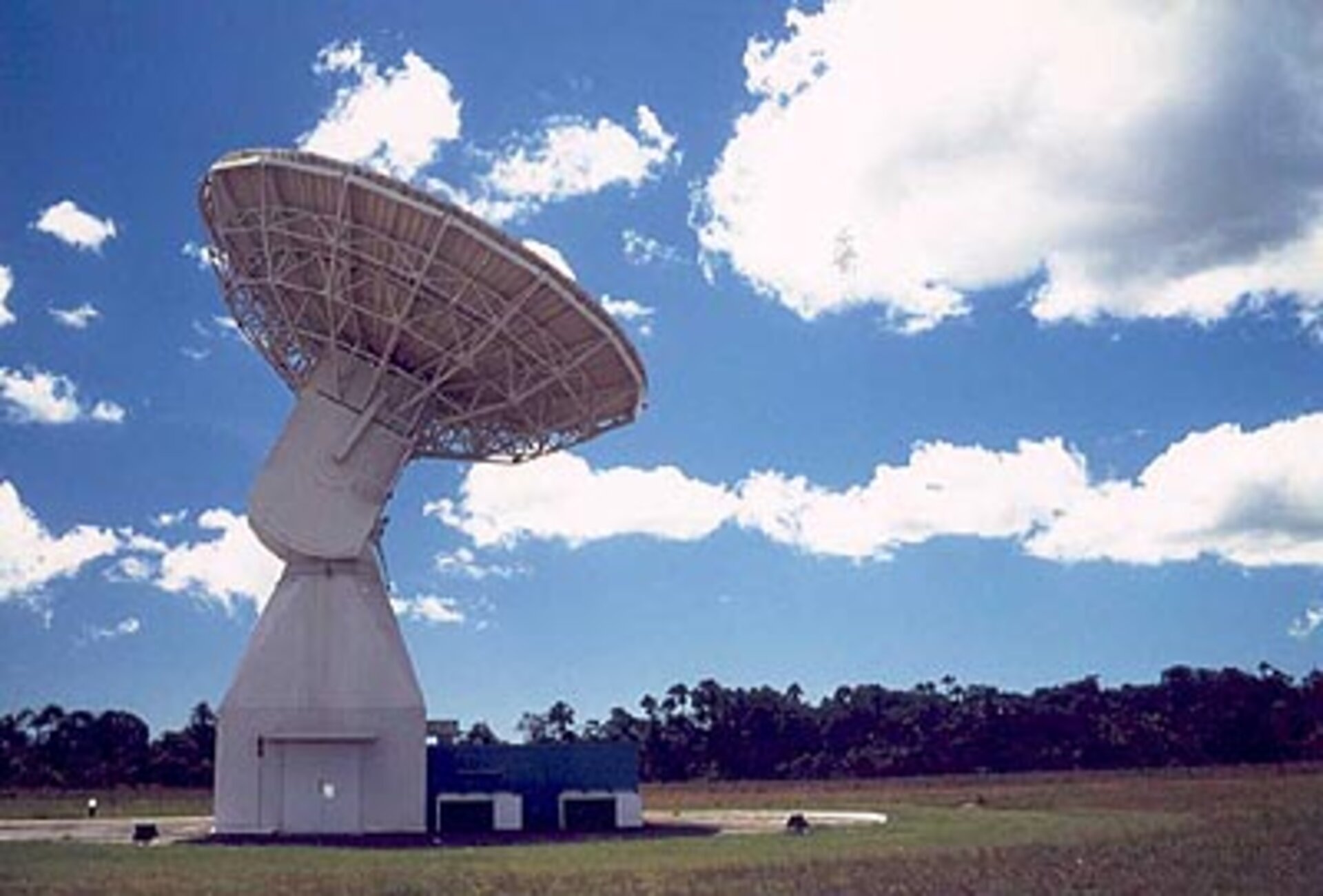
    15m antenna at Kourou station
    26 October 2007

    The ESA ground station network is being mobilised to provide direct support to China's Chang'e-1 Moon mission. Three ESTRACK stations will be used to track Chang'e-1 on the flight to the Moon and during the critical Moon orbit insertion.

    The mission was launched on 24 October 2007 at 10:05 UTC (12:05 CEST) from Launch Pad 3 at the Xichang Satellite Launch Centre in south-west China's Sichuan Province.

    Engineers at ESOC, the European Space Operations Centre, in Darmstadt, Germany, will be 'on the loop' - in voice communication - with Chinese mission controllers at BACC, the Beijing Aerospace Command and Control Centre, starting on 1 November.
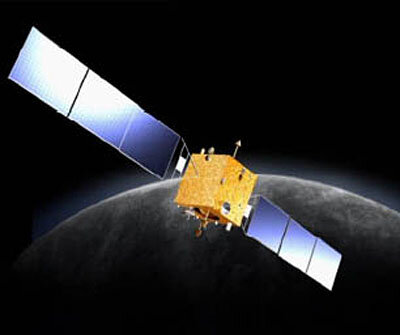
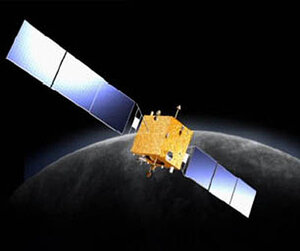
    An artist's impression of the Chang’e-1 spacecraft
    Chang'e-1

    ESA's 15m European Space Tracking (ESTRACK) network stations at Maspalomas (Spain) and Kourou (French Guiana) will be used at the start of ESA's tracking campaign.

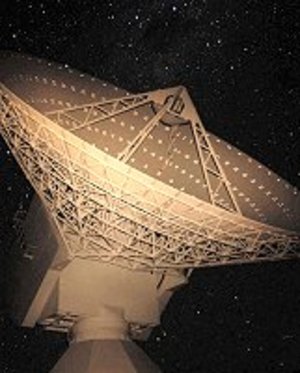
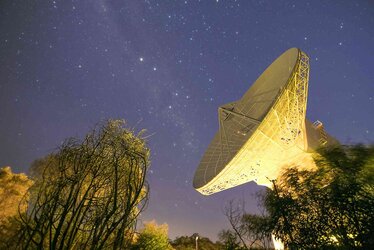
    These will be joined later by ESTRACK's DS1 - the giant 35m deep-space station at New Norcia, Australia.

    The three will rotate tracking duties during Chang'e-1's cruise to the Moon, and will be in contact during the critical orbit insertion manoeuvres, scheduled for 5, 6 and 7 November.


    ESTRACK essential for success

    At certain points, Chang'e-1 will not be visible from China's own tracking stations, making ESTRACK support essential for mission success.
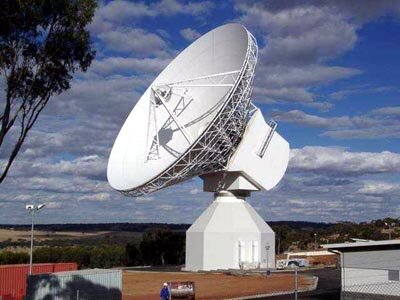
    ESA's first 35-metre deep-space ground station
    New Norcia: ESA's first 35m deep-space station

    "There has been a lot of preparation on the ESTRACK side, but we're ready to go," said John Reynolds, Operations Manager for ESTRACK in support to Chang'e-1.

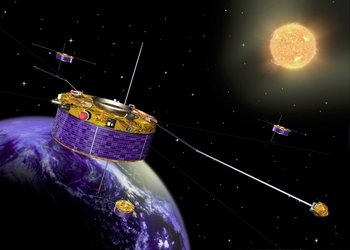
    ESA previously provided ESTRACK services to China for the Double Star mission, which conducted joint studies - together with ESA's Cluster - of the Sun's effects on the Earth's environment.

    ESOC ECC controls ESTRACK network
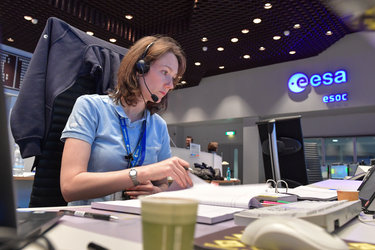
    Engineers at work in ESOC's ESTRACK Control Centre

    ESA stations are remotely controlled from the ESTRACK Control Centre (ECC) located at ESOC, and are normally unmanned for routine operations. For Chang'e-1, engineers will be on duty at the three stations involved to provide quick response in the event of any technical problems.

    Scientists, engineers and ground control experts from ESOC have spent months working to ensure that Chang'e-1 support goes off without a glitch. Preparations included a series of joint meetings in Beijing and Darmstadt, use of ESOC's reference station for testing, and upgrading station software. ESTRACK controllers have also participated in simulations with their Chinese counterparts.

    "ESA's expertise in tracking Chang'e-1 sets the stage for future cooperation with China. The Agency's ESTRACK network is a resource that benefits not only the Agency but also all space science through such international cooperation," said Erik Soerensen, Head of the System Requirements and Validation Section at ESOC.

    Extending cooperation and sharing benefits
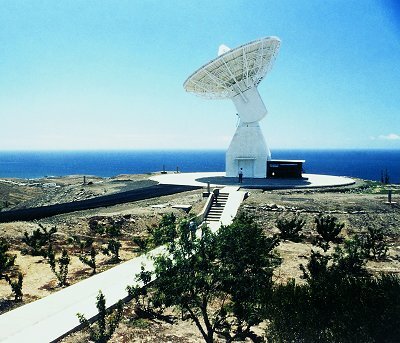
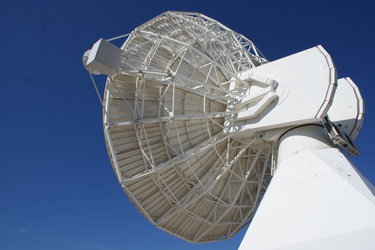
    Maspalomas S-band and X-band ground station
    Maspalomas S-band and X-band ground station

    In return for ESA's tracking services, China will share scientific data generated by the mission and the two agencies will also establish a visitors' programme so that researchers can learn from each other (see New mission to the Moon lifts off).

    During ESA's SMART-1 mission, which ended in September 2006, the agency provided China with details of the spacecraft's position and transmission frequencies so that the Chinese could test their tracking stations and ground operation procedures by following it - a part of their preparation for Chang'e-1.

    First step in China's Lunar Exploration Program

    The beautiful Chang'e soars to the Moon

    Chang'e-1 represents the first step in China's plans to land robotic explorers on the Moon before 2020. The spacecraft is large, weighing in at 2350 kg, and it will operate from a low, circular lunar orbit, just 200 km above the surface of the Moon. From here, it will perform its science mission for a full year.

    Named after the Chinese goddess of the Moon, Chang'e-1 is the first phase in the China Lunar Exploration Program (CLEP).

    This programme is expected to last until around 2020 and the next phase will include a lander and associated rover. Looking farther into the future, plans are being drawn up for a sample return mission to bring lunar rocks to Earth for analysis.
    Rate this

    Views

    Share

    • Currently 0 out of 5 Stars.
    • 1
    • 2
    • 3
    • 4
    • 5
    Rating: 0/5 (0 votes cast)

    Thank you for rating!

    You have already rated this page, you can only rate it once!

    Your rating has been changed, thanks for rating!

    45
    Tweet
    • Click to watch
      Click to watch
      ESOC videos
    • Track ESA Earth-orbiting missions live!
      Track ESA Earth-orbiting missions live!
      Track ESA satellites
    • ESA's webcam at the ESTRACK 35m deep-space station, Cebreros
      ESA's webcam at the ESTRACK 35m deep-space station, Cebreros
      Cebreros webcam
    • ESApod
    • ESA ground operations
    • More news
      • Chang'e-1 - new mission to Moon lifts off
        • Double Star TC-1 completes its mission
          • Future deep-space missions drive ESA ground station evolution
            • ESA hosts international conference on tracking and commanding spacecraft
              • ESA support to NASA Phoenix highlights beneficial Mars cooperation
                • Cluster achieves closest-ever separation for two ESA spacecraft
                  • ESA and NASA extend ties with major new cross-support agreement
                    • ESA's spacecraft managers: the 'Right Stuff'
                    • Related
                      • Estrack tracking stations
                        • Kourou station
                          • Maspalomas station
                            • New Norcia - DSA 1
                            • More information
                            • Double Star
                            • CNSA
                            • Consultative Committee for Space Data Systems
                            • Legend of Chang'e

    Connect with us

    • RSS
    • Youtube
    • Twitter
    • Flickr
    • G+
    • Facebook
    • Livestream
    • Subscribe
    • App Store
    • ESA Operations Twitter

    Follow ESA operations

    • LATEST ARTICLES
    • · ESA astronaut Timothy Peake set fo…
    • · Space drives e-mobility
    • · Proba-V opens its eyes
    • · First new Galileo satellite arrive…
    • · Next destination: space
    • FAQ

    • Jobs at ESA

    • Site Map

    • Contacts

    • Terms and conditions