• → European Space Agency

      • Space for Europe
      • Space News
      • Space in Images
      • Space in Videos
    • About Us

      • Welcome to ESA
      • DG's News and Views
      • For Member State Delegations
      • Business with ESA
      • ESA Exhibitions
      • ESA Publications
      • Careers at ESA
    • Our Activities

      • Space News
      • Observing the Earth
      • Human Spaceflight
      • Launchers
      • Navigation
      • Space Science
      • Space Engineering
      • Operations
      • Technology
      • Telecommunications & Integrated Applications
    • For Public

    • For Media

    • For Educators

    • For Kids

    • ESA

    • Space Engineering

    • What we do
    • Directorate of Technical and Quality Management (TEC)
    • Electrical
    • Electrical engineering
    • Control Systems
    • Data Systems
    • Radio Frequency Payload Systems
    • Electromagnetics and Space Environment
    • Power and Energy Conversion
    • Mechanical
    • Mechanical engineering
    • Thermal Control
    • Structures and Mechanisms
    • Mechatronics and Optics, incl. robotics and life support
    • Propulsion and Aerothermodynamics
    • Systems
    • Systems and software engineering
    • Software Systems
    • Systems Engineering, incl. cost engineering
    • Technology programmes
    • Product Assurance
    • Product Assurance
    • Flight Safety
    • Dependability
    • Quality Management and Assurance
    • Materials and Processes
    • Electronic Components
    • Software Product Assurance
    • Standards
    • Requirements and standards
    • European Cooperation for Space Standardization (ECSS)
    • European Space Components Coordination (ESCC)
    • Services
    • ESA calendar of events
    • Subscribe

    ESA > Our Activities > Space Engineering

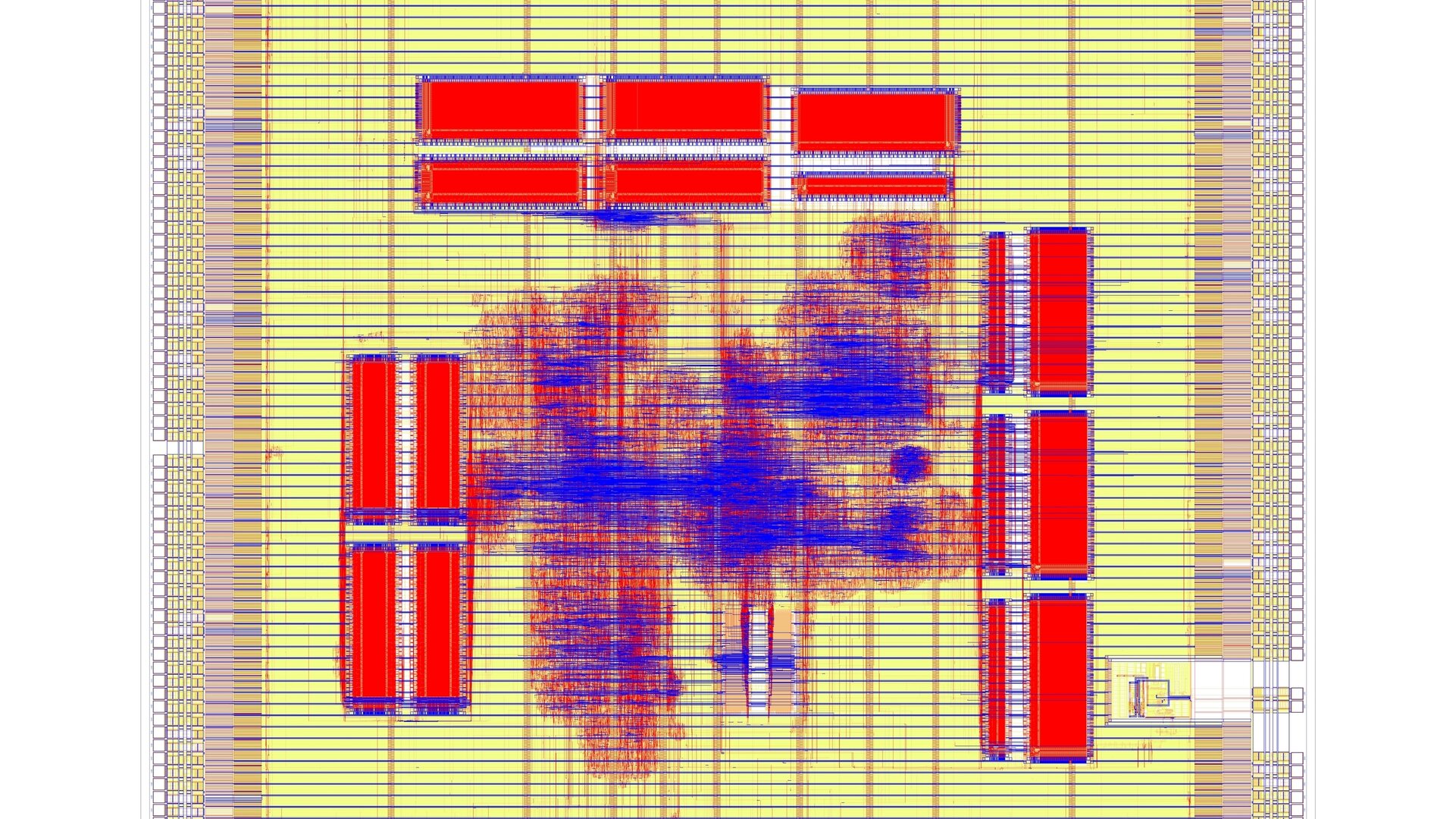
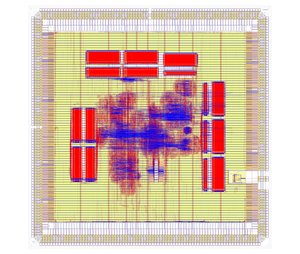
    Layout of the LEON2-FT chip, alias AT697

    LEON: the space chip that Europe built

    2 January 2013

    Just like home computers, the sophisticated capabilities of today’s space missions are made possible by the power of their processor chips. ESA’s coming Alphasat telecom satellite, the Proba-V microsatellite, the Earth-monitoring Sentinel family and the BepiColombo mission to Mercury are among the first missions to use an advanced 32-bit microprocessor – engineered and built in Europe.

    All of them incorporate the new LEON2-FT chip, commercially known as the AT697. Engineered to operate within spacecraft computers, this microprocessor is manufactured by Atmel in France but originally designed by ESA.

    To give an idea of the kind of complex factors involved in its design, the ‘FT’ in its name stands for ‘fault tolerant’, meaning it can withstand the random memory ‘bit flips’ due to space radiation (for more information, see the link: LEON: The making of a microprocessor for space).
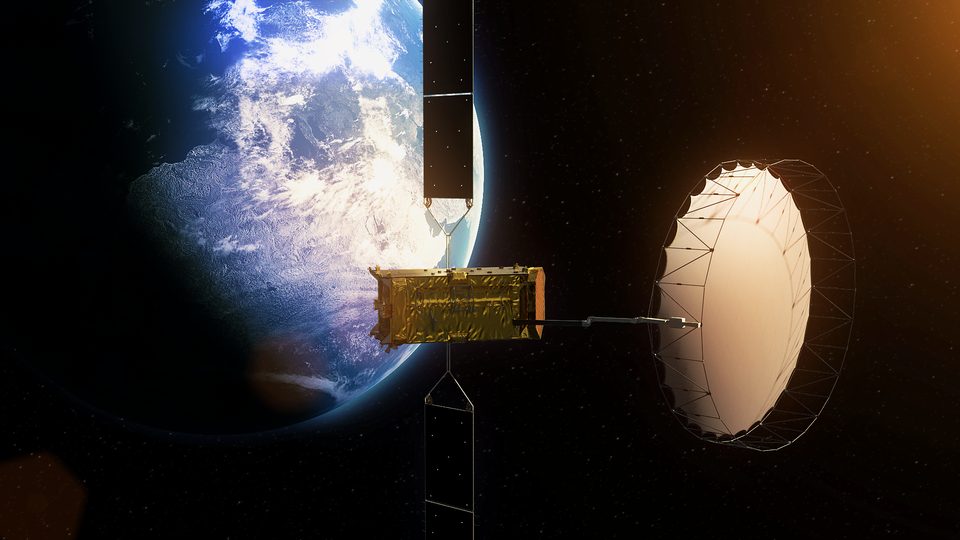
    alphasat
    Alphasat

    This year's Proba-V microsatellite – surveying daily vegetation growth on a daily basis for a community of scientists previously served by the Spot satellites – will use the AT697 processor in its main flight computer.

    And while Alphasat employs an older ERC32 chip in its flight computer, a LEON2-FT will be operating a space environment-monitoring experiment aboard the satellite.

    Also with ERC32-based flight computers, ESA’s Sentinels, the first of which will also be launched in the coming year, will similarly harness LEON2-FT chips in their GPS receivers and startrackers for navigation. 
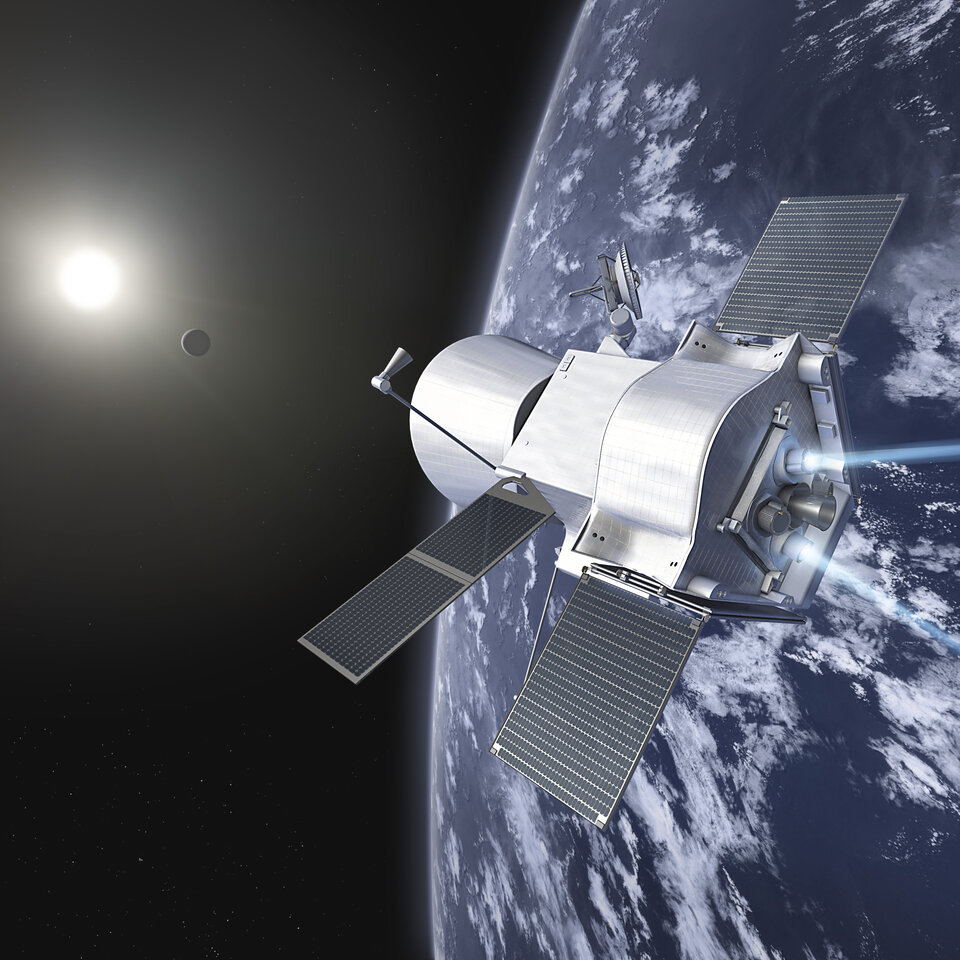
    BepiColombo heading towards Mercury

    ESA’s 2014 IXV Intermediate eXperimental Vehicle for testing atmospheric reentry will control its avionics with a LEON2-FT chip. And 2015’s BepiColombo mission to Mercury and 2018’s Gaia star-mapper are both using the same design.

    The underlying LEON design has also been made available to Europe’s space industry as the basis for company-owned ‘system-on-chip’ microprocessors optimised for dedicated tasks. For instance, Astrium is using it to create a space-based GPS/Galileo satnav receiver.

    Innovating for independence
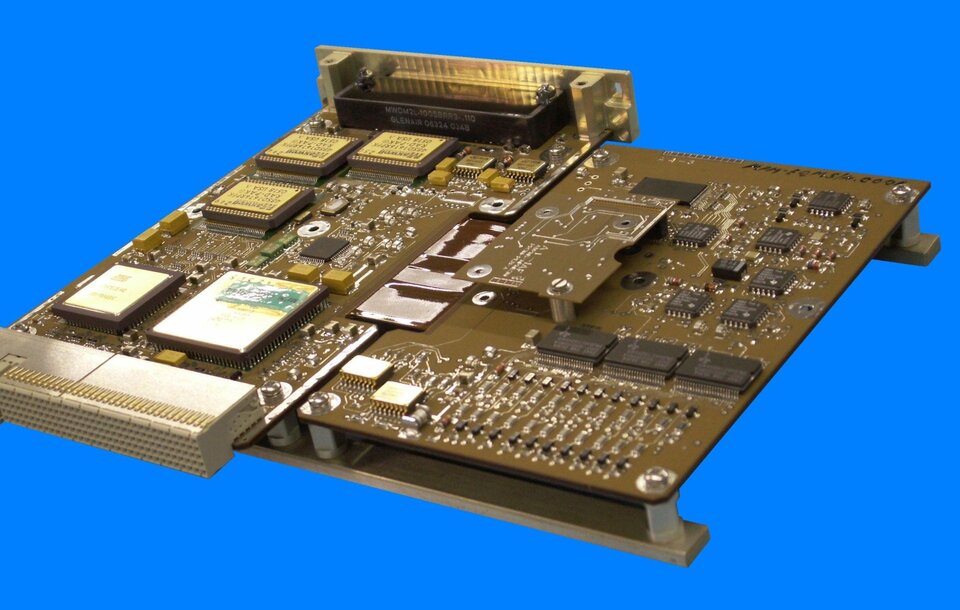
    LEON2-FT chip within Proba-2's computer

    How did ESA end up designing computer chips in the first place? As one of the only bodies worldwide to deal with the entire range of space activities, the Agency is as concerned with the internal components used to put together missions as the design of the missions themselves.

    “One of the main reasons for ESA to exist is to ensure the independence of Europe’s space industry,” said Roland Weigand of ESA’s microelectronics section.
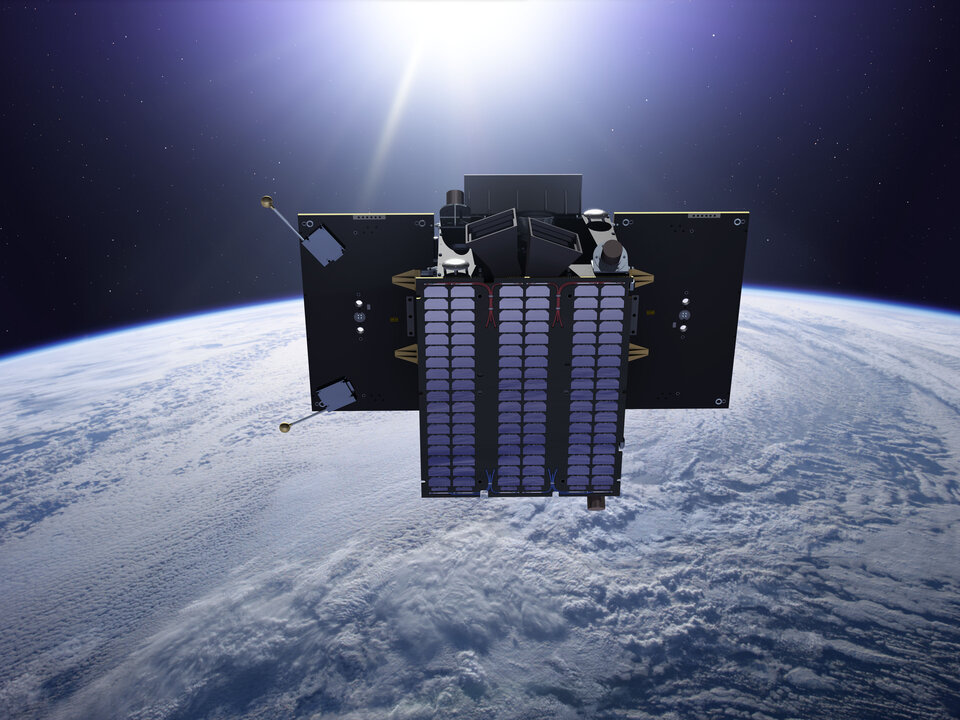
    Proba-2

    “If we are too dependent on parts from outside Europe whose supply could be restricted at any time then the competitiveness, even the long-term viability, of our space sector comes into question. That’s become a real concern with foreign export controls and related regulations.

    “ESA first became motivated to get involved with microprocessor development back in the 1990s as they became more central to the performance of space missions.

    “Independence from non-European parts is also a driver of our European Components Initiative, in place for the last decade, which is working with European industry to bring new components to market.”

    (Continued in Leading up to LEON: ESA’s first microprocessors).
    Rate this

    Views

    Share

    • Currently 0 out of 5 Stars.
    • 1
    • 2
    • 3
    • 4
    • 5
    Rating: 0/5 (0 votes cast)

    Thank you for rating!

    You have already rated this page, you can only rate it once!

    Your rating has been changed, thanks for rating!

    24
    facebook
    twitter
    reddit
    google plus
    digg
    tumbler
    digg
    blogger
    myspace

    Related articles

    Leading up to LEON: ESA’s first microprocessors02 January 2013

    Leading up to LEON: ESA’s first microprocessors02 January 2013 ESA engineers began by taking existing designs and adapting them for space use. This process began with the Agency’s MA31750 16-bit microprocessor, designed in the early 1990s.

    Vessel detection

    LEON's first flights02 January 2013

    Vessel detection

    LEON's first flights02 January 2013 The AT697 (LEON2-FT) flew for the first time in 2008, launched to ESA’s Columbus module on the Space Station within a prototype computer payload called the ERNObox.

    LEON: the making of a microprocessor for space02 January 2013

    LEON: the making of a microprocessor for space02 January 2013 The chances are whatever hardware you are reading this on would not cope well with space. Assuming its mechanical structure survived the launch acceleration and vibration, it would then face sustained hard vacuum and temperature extremes. And within a...

    LEON: a new recipe for chips02 January 2013

    LEON: a new recipe for chips02 January 2013 How to go about designing a microprocessor? The first step is to think about what it needs to do, in this case serve as a general purpose processor for space-based computer systems.

    • Data Systems
    • Microelectronics website
    • European Components Initiative (ECI)
    • Alphasat/Alphabus
    • Sentinels
    • Proba-V
    • IXV
    • Bepicolombo overview
    • Automated Transfer Vehicle (ATV)
    • About Ariane 5
      • DMS-R: ESA's Data Management System for the Russian Segment of the ISS
      • Rosetta

    Connect with us

    • RSS
    • Youtube
    • Twitter
    • Flickr
    • Google Buzz
    • Subscribe
    • App Store
    • LATEST ARTICLES
    • · CryoSat hits land
    • · Ariane 5 completes seven launches …
    • · Measuring skull pressure without t…
    • · Malargüe station inauguration
    • · The solar wind is swirly
    • FAQ

    • Jobs at ESA

    • Site Map

    • Contacts

    • Terms and conditions
