• → European Space Agency

      • Space for Europe
      • Space News
      • Space in Images
      • Space in Videos
    • About Us

      • Welcome to ESA
      • DG's News and Views
      • For Member State Delegations
      • Business with ESA
      • ESA Exhibitions
      • ESA Publications
      • Careers at ESA
    • Our Activities

      • Space News
      • Observing the Earth
      • Human Spaceflight
      • Launchers
      • Navigation
      • Space Science
      • Space Engineering
      • Operations
      • Technology
      • Telecommunications & Integrated Applications
    • For Public

    • For Media

      • Media
      • ESA TV
      • Videos for professionals
      • Photos
    • For Educators

    • For Kids

    • ESA

    • Space Science

    • Our Universe
    • About Space Science
    • ESA's 'Cosmic Vision'
    • Science missions
    • Mission navigator
    • Target groups
    • For Media
    • For Scientists
    • For Kids
    • Multimedia
    • Science images
    • Science videos
    • Animations
    • Downloads
    • Sounds from space
    • Resources
    • Reference section
    • Services
    • FAQs
    • Glossary
    • Help
    • Portal terms of use
    • Comments
    • Follow us
    • RSS feeds
    • ESA Sci on Twitter
    • ESA Space Science Images on Flickr
    • ESA 3D on Flickr

    ESA > Our Activities > Space Science

    Herschel and Planck launch update

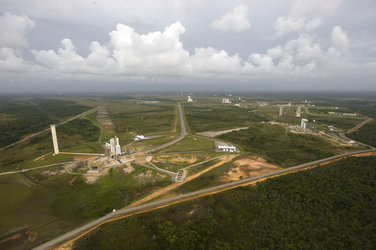
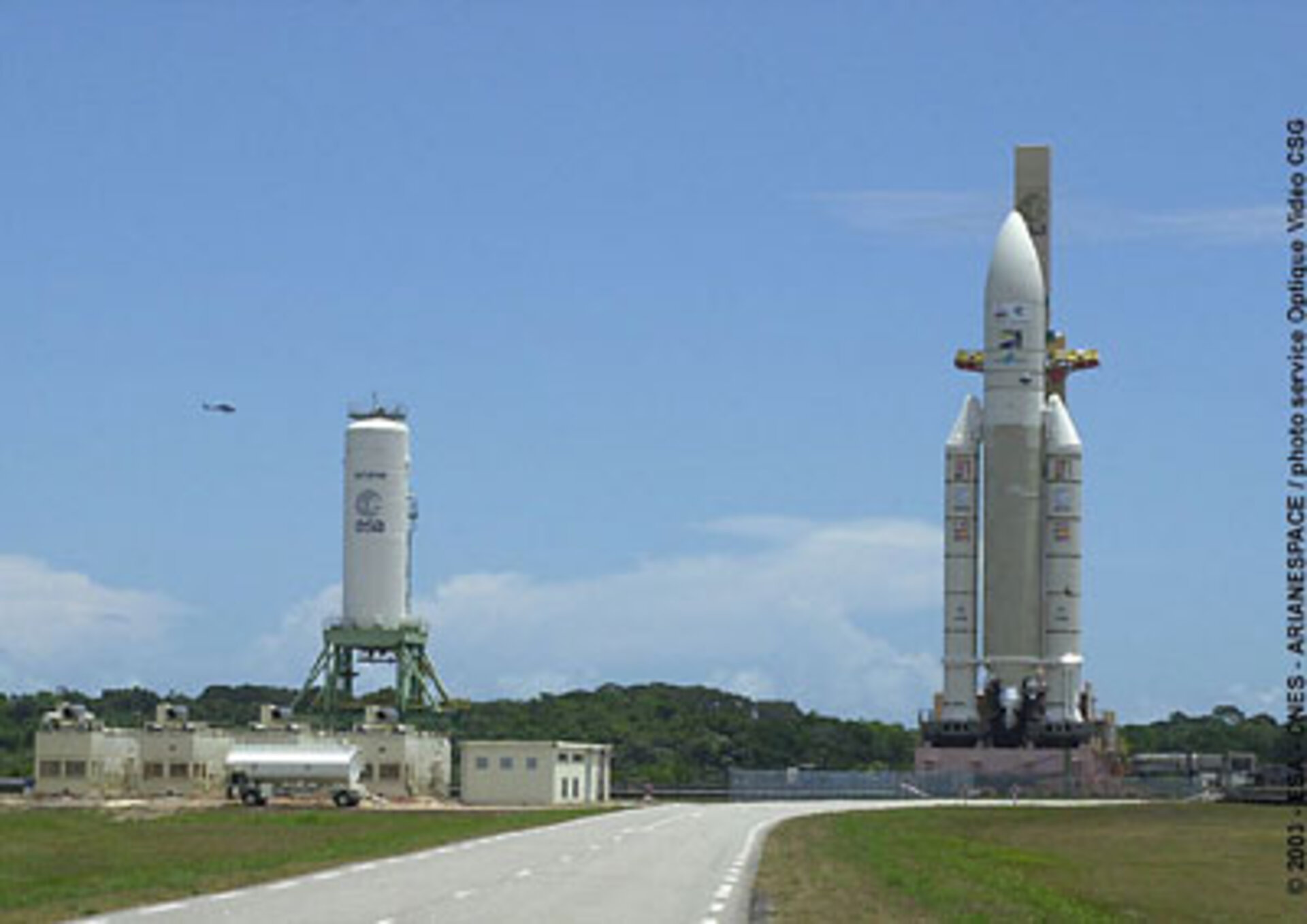
    Rollout of Ariane 5 with SMART-1
    Roll out of Ariane 5
    2 April 2009

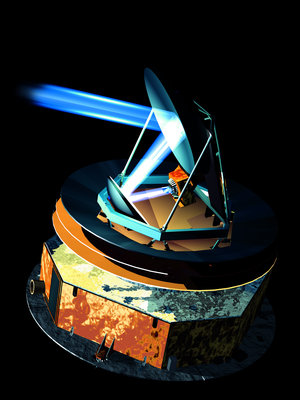
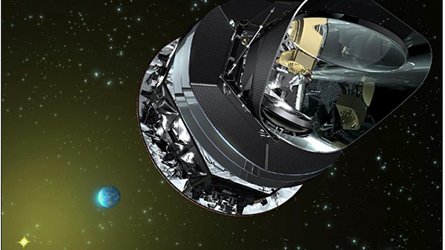
    The verification of operations procedures for Herschel and Planck at ESA’s European Space Operations Centre (ESOC) has now positively concluded. However, during final checks on the spacecraft, concerns have arisen and a short delay is proposed in order to allow ESA and Arianespace to carry out a final and independent check of the safety margins. Therefore, the final decision on the date of the Herschel and Planck launch will be postponed by a few days.

    The Herschel telescope mirror, the largest ever to be launched in space, is a novel and advanced concept using 12 silicon carbide petals brazed together into a single piece; it is one of the major technological highlights of the mission. The complexity of the structure and its uniqueness means great care must be taken to ensure that stresses exerted on it during launch are well understood.

    Over the next few days, a panel of independent experts led by the ESA Inspector General and Arianespace will carry out a final cross-check of the documentation to demonstrate that the required safety margins for the telescope are met.

    The new launch date will be defined shortly.

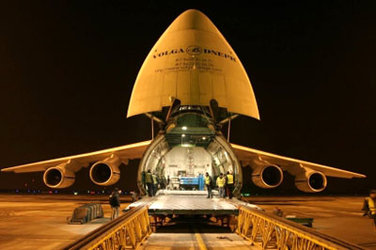
    The Herschel and Planck satellites, currently at Europe’s Spaceport in French Guiana, are on standby in perfect condition. Engineers are awaiting the new launch date in order to resume the final preparations for launch. These include the fuelling of the two satellites and the filling of the Herschel cryostat with helium.

    For more information:

    ESA Media Relations office
    Tel: +33.(0)1.5369.7299
    Fax: +33.(0)1.5369.7690
    Email: media @ esa.int
    Rate this

    Views

    Share

    • Currently 0 out of 5 Stars.
    • 1
    • 2
    • 3
    • 4
    • 5
    Rating: 0/5 (0 votes cast)

    Thank you for rating!

    You have already rated this page, you can only rate it once!

    Your rating has been changed, thanks for rating!

    35
    Tweet
    • Planck: looking back at the dawn of time
    • Herschel: ESA's giant infrared observatory
    • Related articles
      • Herschel spruced up after arrival in Kourou
        • Herschel and Planck launch postponed
          • Planck follows Herschel to launch site
            • Herschel shipped to Europe’s Spaceport
              • Herschel and Planck ready to move to launch site
                • Herschel acoustic and vibration tests
                  • Herschel spacecraft assembly complete
                    • Planck update in pictures
                    • Read more
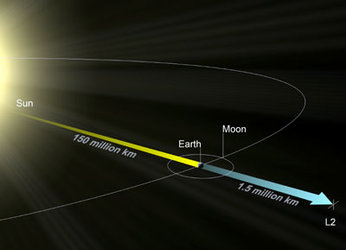
                      • L2, the second Lagrangian Point
                        • Observations: Seeing in infrared wavelengths
                          • Observations: Seeing in microwave wavelengths
                            • Why infrared astronomy is a hot topic
                              • Cosmic Microwave Background (CMB) radiation

    Connect with us

    • RSS
    • Youtube
    • Twitter
    • Flickr
    • G+
    • Facebook
    • Livestream
    • Subscribe
    • App Store
    • ESA Science Twitter

    Follow ESA science

    • LATEST ARTICLES
    • · Rare merger reveals secrets of gal…
    • · Watching for hazards: ESA opens as…
    • · ESA astronaut Timothy Peake set fo…
    • · Space drives e-mobility
    • · Proba-V opens its eyes
    • FAQ

    • Jobs at ESA

    • Site Map

    • Contacts

    • Terms and conditions