• → European Space Agency

      • Space for Europe
      • Space News
      • Space in Images
      • Space in Videos
    • About Us

      • Welcome to ESA
      • DG's News and Views
      • For Member State Delegations
      • Business with ESA
      • ESA Exhibitions
      • ESA Publications
      • Careers at ESA
    • Our Activities

      • Space News
      • Observing the Earth
      • Human Spaceflight
      • Launchers
      • Navigation
      • Space Science
      • Space Engineering
      • Operations
      • Technology
      • Telecommunications & Integrated Applications
    • For Public

    • For Media

      • Media
      • ESA TV
      • Videos for professionals
      • Photos
    • For Educators

    • For Kids

    • ESA

    • Space Science

    • Our Universe
    • About Space Science
    • ESA's 'Cosmic Vision'
    • Science missions
    • Mission navigator
    • Target groups
    • For Media
    • For Scientists
    • For Kids
    • Multimedia
    • Science images
    • Science videos
    • Animations
    • Downloads
    • Sounds from space
    • Resources
    • Reference section
    • Services
    • FAQs
    • Glossary
    • Help
    • Portal terms of use
    • Comments
    • Follow us
    • RSS feeds
    • ESA Sci on Twitter
    • ESA Space Science Images on Flickr
    • ESA 3D on Flickr

    ESA > Our Activities > Space Science

    Meteors by moonlight

    Meteor showers
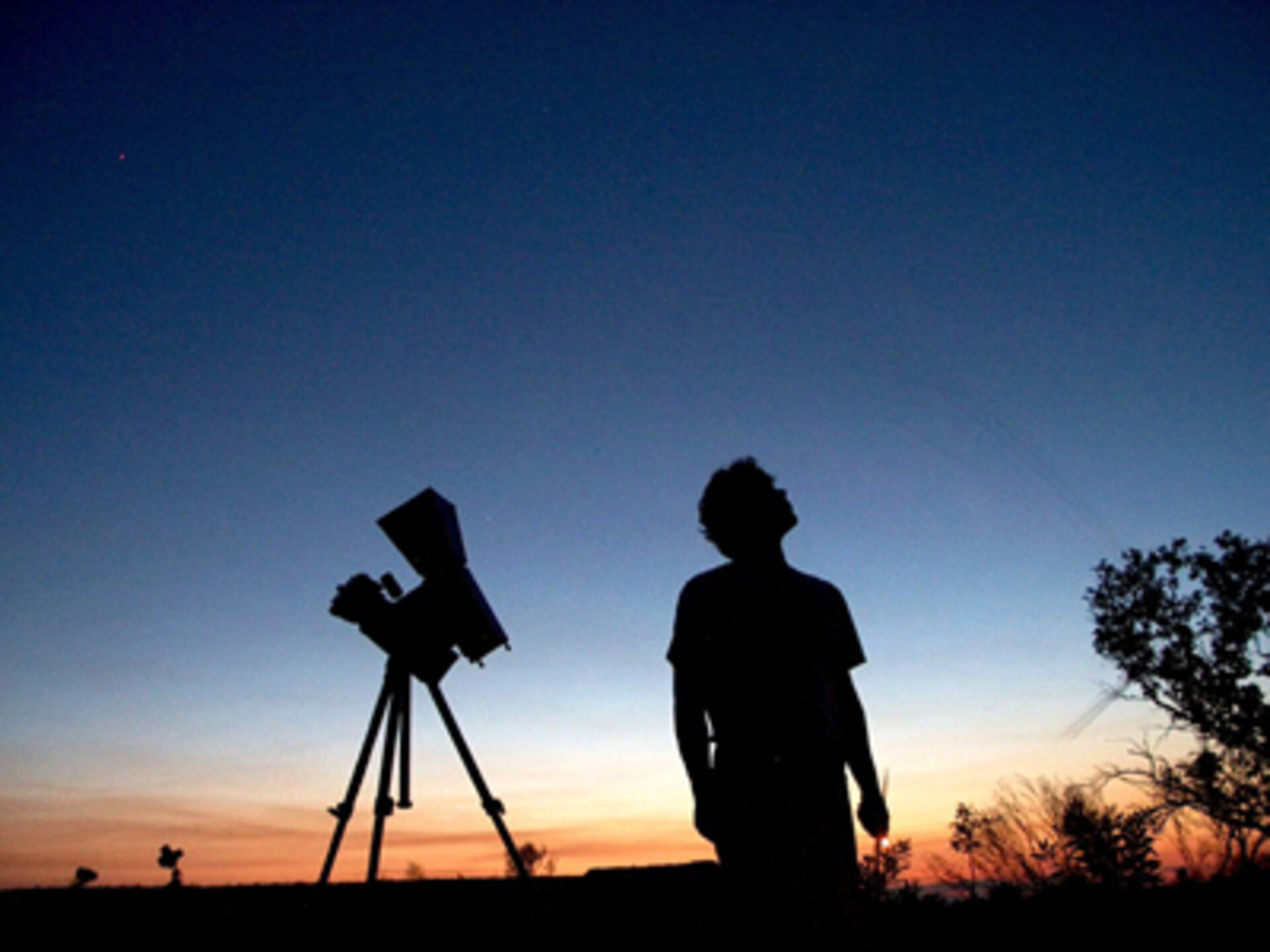
    Checking the sky for meteors
    13 December 2005

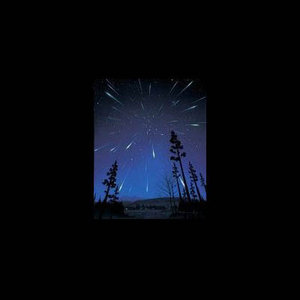
    The annual Geminid meteor shower should reach its peak activity late on the night of 13-14 December 2005.

    Along with the better-known Perseids in August, the Geminids are the strongest of the reliable annual meteor showers. Late Tuesday night and early Wednesday morning, observers might see a ‘shooting star’ every 5 to 10 minutes on average. However, this year the glare from the nearly full Moon will hide all but the brightest meteors.

    The Geminid shower is active for several days, not just on its peak night, so you may see a few meteors per hour beforehand and up to three nights after. Astronomers say the best time to watch will be anytime from about 22:00 CET Tuesday evening, but but try to observe in a part of the sky that is not illuminated too much by the Moon.

    The shower appears to originate from a point in the constellation Gemini near the stars Castor and Pollux (its ‘radiant’), but you do not have to look there - just watch whatever part of your sky offers the darkest view.

    The Geminid meteoroids are tiny bits of rocky debris (sand-grains to pea-size) shed from a small asteroid named Phaethon. Over the centuries these particles have spread along the asteroid’s orbit to form a moving ‘river of rubble’ hundreds of millions of kilometres long. Earth’s own annual orbit around the Sun carries us through this stream of particles every mid-December.

    The particles are travelling about 35 kilometres per second with respect to Earth at the place in space where we encounter them. So when one of them strikes Earth’s upper atmosphere (about 120 kilometres up), air friction vaporises it quickly to form the visible white-hot streak.

    The Geminids originate from an asteroid, but meteorite showers can also be produced by the remnants of a comet. The Perseids shower consists of the material actually shed by the Comet Swift-Tuttle.

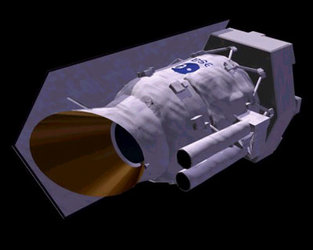
    By studying meteor showers, scientists can learn more about cometary debris, but ESA is going a step further with its Rosetta comet-chasing mission which will examine a comet at close range.

    Comets are considered to be the primitive building blocks of the Solar System, and the Rosetta mission could help us to understand if life on Earth began with the help of 'comet seeding'

    Rate this

    Views

    Share

    • Currently 0 out of 5 Stars.
    • 1
    • 2
    • 3
    • 4
    • 5
    Rating: 0/5 (0 votes cast)

    Thank you for rating!

    You have already rated this page, you can only rate it once!

    Your rating has been changed, thanks for rating!

    16
    Tweet
    • ESA's comet chaser
    • More about...
      • Giotto overview
        • Rosetta overview
        • Related articles
          • About the Leonids
            • Shooting-star spectacle in August, 2003
              • 2004 Perseids are coming
                • New study reveals twice as many asteroids as previously believed

    Connect with us

    • RSS
    • Youtube
    • Twitter
    • Flickr
    • G+
    • Facebook
    • Livestream
    • Subscribe
    • App Store
    • ESA Science Twitter

    Follow ESA science

    • LATEST ARTICLES
    • · Rare merger reveals secrets of gal…
    • · Watching for hazards: ESA opens as…
    • · ESA astronaut Timothy Peake set fo…
    • · Space drives e-mobility
    • · Proba-V opens its eyes
    • FAQ

    • Jobs at ESA

    • Site Map

    • Contacts

    • Terms and conditions