How SMART-1 has made European space exploration smarter
A unique way to travel to the Moon, new technologies successfully tested and brand-new science: a few months after the end of the SMART-1 mission scientists and engineers gathered to recap on these and all the other achievements of the first European mission to the Moon.
The innovative SMART-1 Moon mission has taught ESA, European space industry and institutes a lot about how to perform its missions even more efficiently. For example, the operational tools developed and the lessons learned are already being used on ESA missions such as Rosetta and Venus Express. The SMART-1 experience has also been used to prepare future ESA missions, such as Bepi-Colombo, which will visit the inner planet Mercury.
Between 16-17 January 2007, engineers and scientists met at ESA's space technology centre, ESTEC, in the Netherlands, to discuss the success of SMART-1 and how to apply the achievements to current and future missions.
"SMART-1 proved that, with a sense of innovation and commitment, Europe can perform highly complex missions efficiently," says Bernard Foing, SMART-1's project scientist. "From the start it was designed to both test new technologies and perform useful science," he says.
Ten years ago, he began designing the mission with Giuseppe Racca, SMART-1's Project Manager. "SMART-1 was new and unique. We demonstrated innovative technologies for spacecraft and instruments," says Racca.
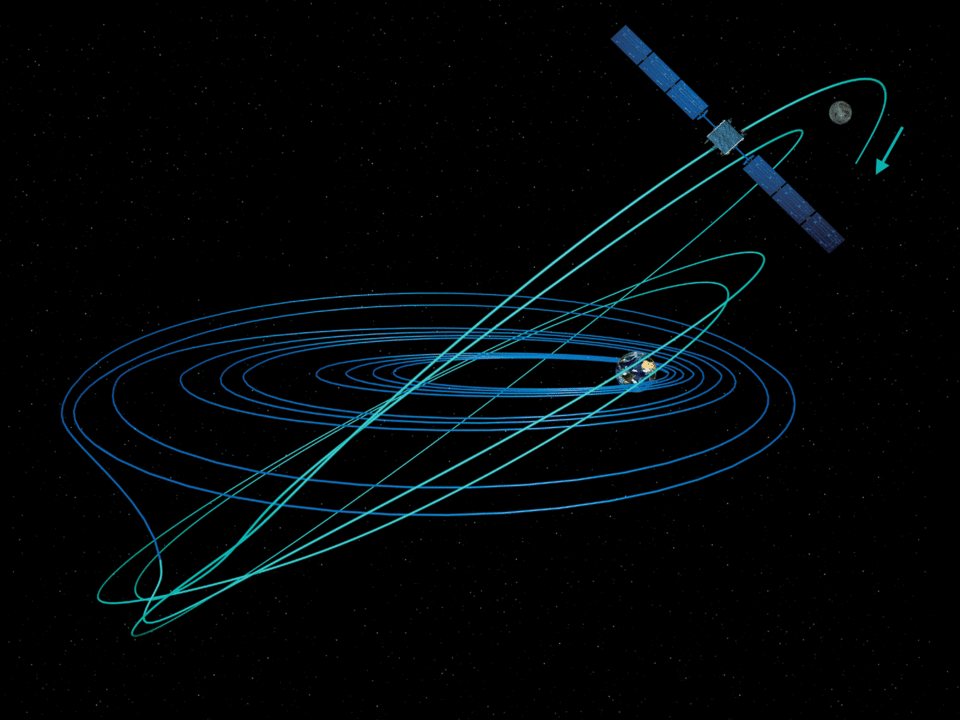
Perhaps the most obvious new technology was the way SMART-1 travelled to the Moon. SMART-1's electric propulsion system applied a small thrust over a long period. Although this meant that SMART-1 took 13.5 months to reach the Moon, plus an extra 4 months to reach its working science orbit, for deep space missions electric propulsion is more efficient than traditional rockets, in terms of flight time.
"SMART-1 will open the door for new missions because electric propulsion makes it possible to transport more instruments, with lower propellant mass, on affordable rockets with more flexible launch and navigation constraints, in shorter periods of time," says Giorgio Saccoccia, ESA's Head of Propulsion Division.
Using electric propulsion, ESA can send Bepi-Colombo to Mercury in just six years, whereas traditional rockets would take at least seven. Electric propulsion will also be able to transport much more scientific equipment to Mercury than a traditional spacecraft. "With SMART-1, we learned how to drive an electric propulsion spacecraft," says Foing.
"With SMART-1 some dreams became reality. Budget and time pressure originated innovation in spite of the low cost of the mission", says Octavio Camino, Smart-1 Operations Manager at ESOC, "SMART-1 allowed us to test new concepts relevant for future ESA infrastructure for operations automation".
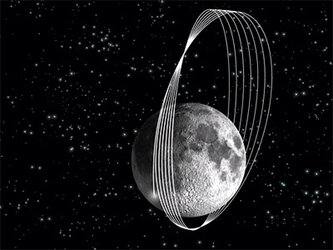
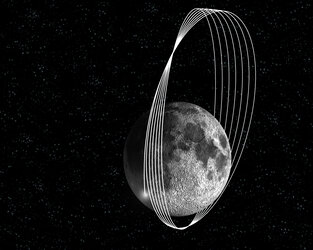
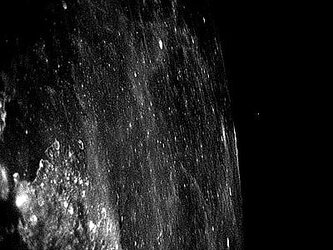
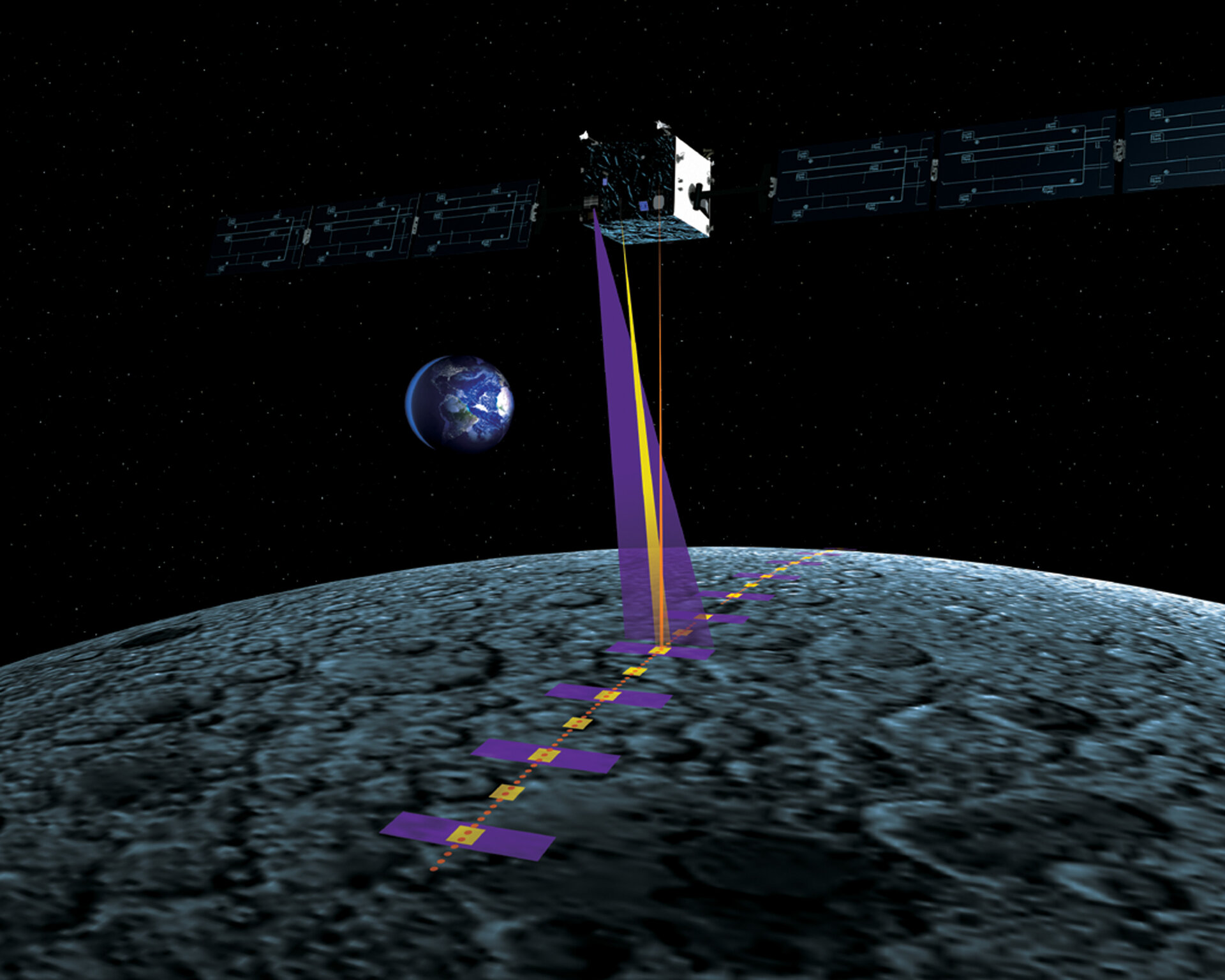
The SMART-1 team also found out how to squeeze the most out of scientific instruments. Originally, the team had planned to take four images per 14.5–hour orbit with the SMART-1 camera, AMIE. As the mission progressed, the team lowered the orbit of SMART-1, so that it circled the Moon in just five hours.
This meant that they had to reprogram the camera to work much faster, as the lunar surface was now rushing by below. In the end, AMIE was supplying 100 images per orbit. The software tools they developed, to schedule this massive upgrade in usage, are now being employed on Venus Express and Rosetta.
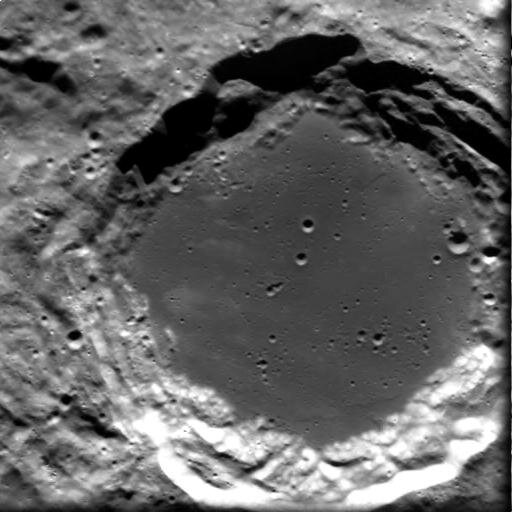
The flood of image data has allowed the teams to construct highly detailed maps of the lunar surface. "We have already used the maps to identify possible landing sites for future landers, rovers and even manned bases," says Foing.
Even the instruments on SMART-1 were special. They were miniaturized to be ten times lighter than their traditional counterparts. The camera weighed just 2 kilograms. As a result, two of the instruments (D-CIXS and SIR), which mapped the Moon's elemental composition and minerals, are being upgraded and rebuilt to fly on the 2008 Indian Moon mission Chandrayaan-1.
Whilst the SMART-1 mission is over, Foing thinks there is no room for complacency. He describes the mission as 'a bridge to the future' and says, "We cannot rest on our laurels. By analysing data and lessons learned, we have to carry the SMART-1 legacy forward."
Note for editors
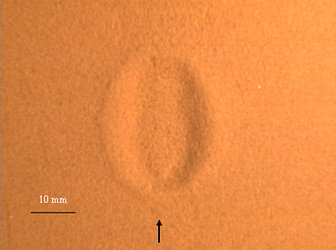
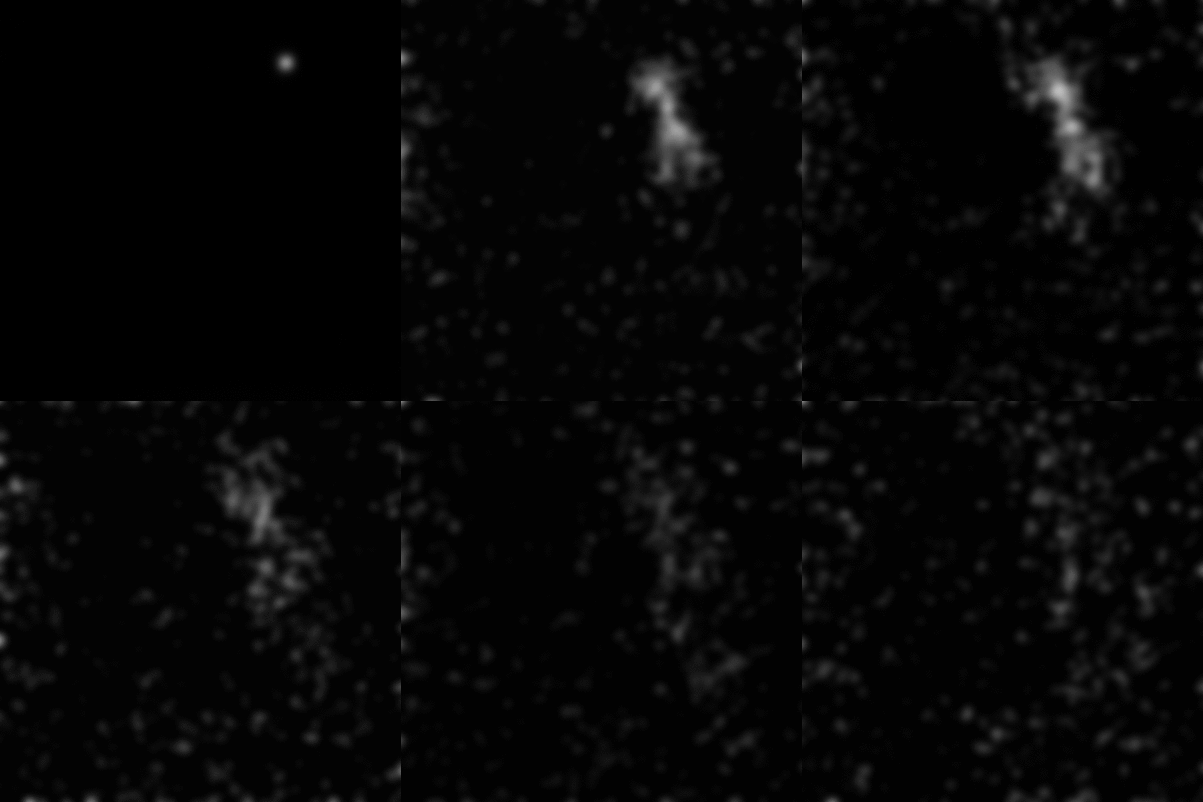
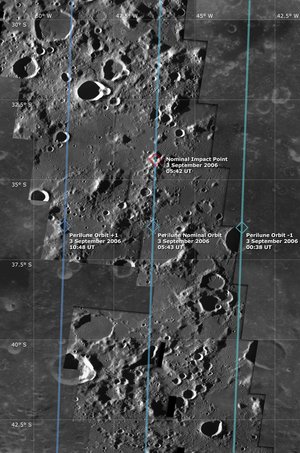
SMART-1, the first European mission to the Moon, concluded its exploration adventure in the early morning of 3 September 2006 through a small impact on the lunar surface,in the 'Lake of Excellence' area. The whole story of this technology-demonstration mission - which also provided great scientific data of the Earth's only natural satellite - began on 27 September 2003 with an Ariane 5 launch from Kourou, French Guiana.
For more information
Giuseppe Racca, ESA SMART-1 Project Manager
Emal: giuseppe.racca @ esa.int
Bernard Foing, ESA SMART-1 ESA Project Scientist
Email: bernard.foing @ esa.int
Giorgio Saccoccia, ESA Head of Propulsion Division
Email: giorgio.saccoccia @ esa.int
Octavio Camino-Ramos, ESA SMART-1 Spacecraft Operations Manager
Email: octavio.camino @ esa.int