Herschel and Planck to lift off on 6 May
With the additional checks related to the flight worthiness of the Herschel telescope now completed, ESA and Arianespace have set the launch date of Herschel and Planck for 6 May 2009.
Over the last few days, during the final cross-check of the Herschel telescope documentation carried out by an independent panel of experts led by the ESA Inspector General and Arianespace, it has been confirmed that the required safety margins are met and the telescope is fully qualified for launch.
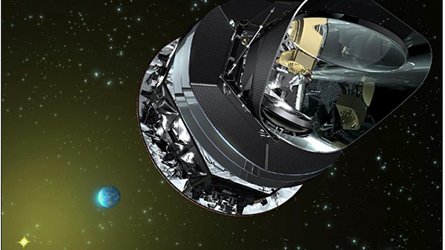
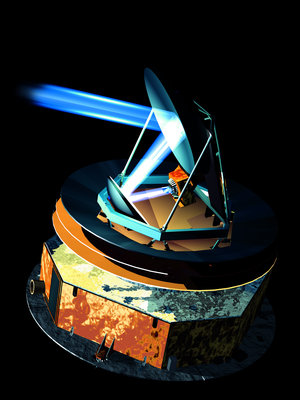
The Herschel telescope primary mirror, the largest ever to be launched in space, is a novel and advanced concept using 12 silicon carbide petals brazed together into a single piece; it is one of the major technological highlights of the mission.
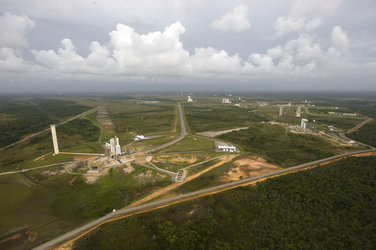
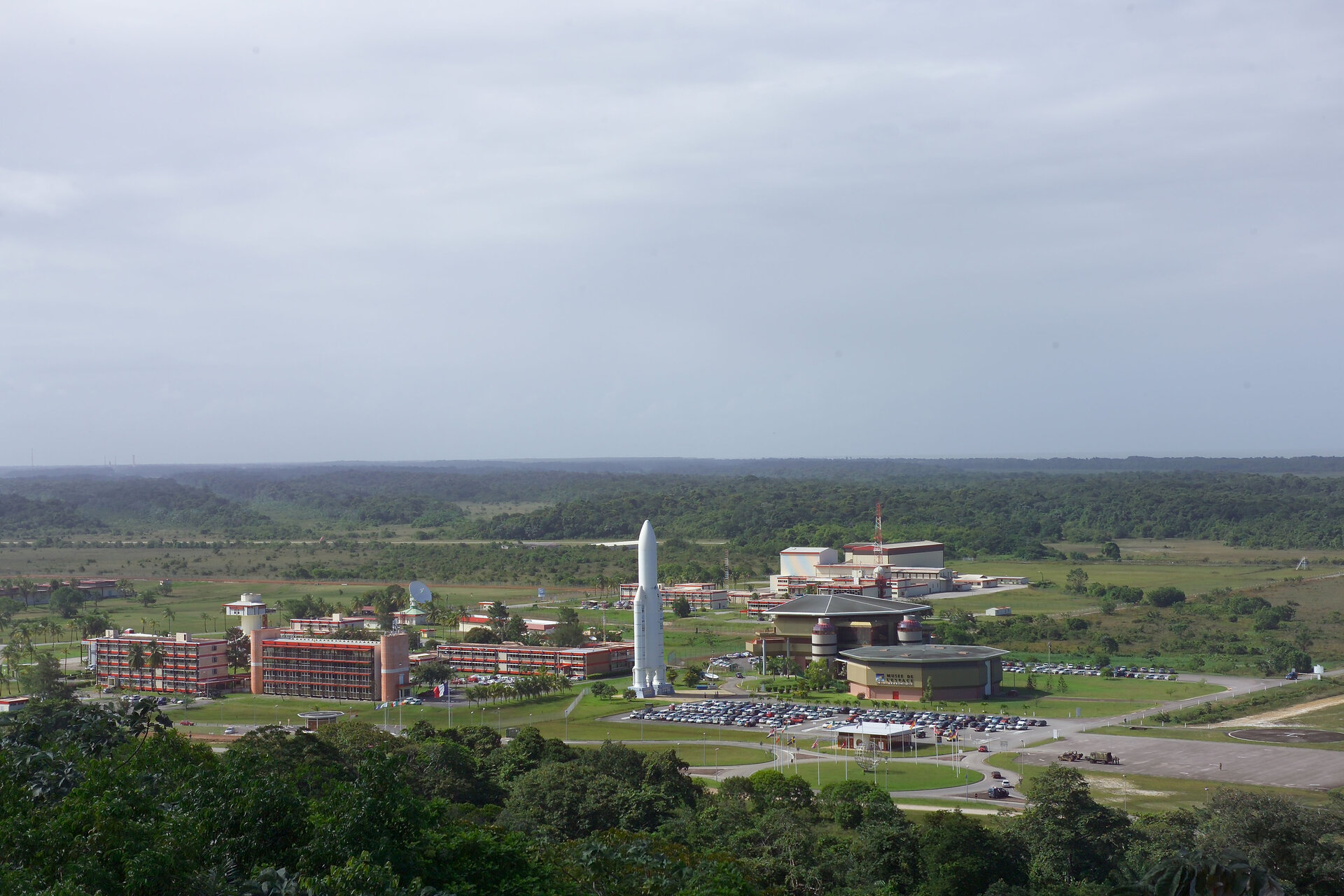
Herschel and Planck will start their journey in space on board an Ariane 5 departing from Europe’s Spaceport in Kourou, French Guiana. The final preparations for launch that had been suspended temporarily will now be resumed, the activities include fuelling of the two satellites and filling of the Herschel cryostat with helium.
For more information:
ESA Media Relations office
Tel: +33.(0)1.5369.7299
Fax: +33.(0)1.5369.7690
Email: media @ esa.int