

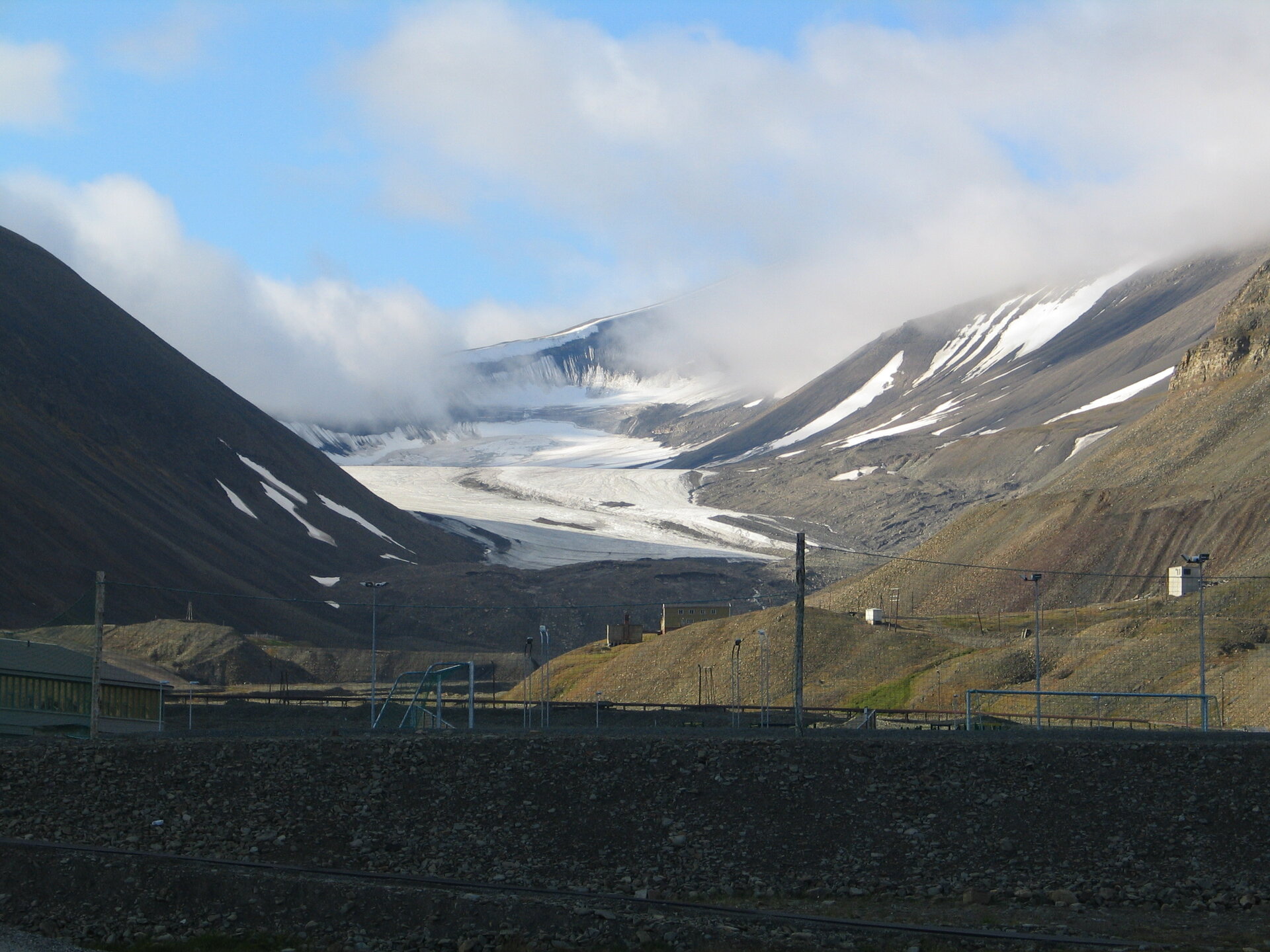
Student joins AMASE expedition in Svalbard
For two weeks, an international crew of scientists and engineers are field-testing instruments for future Mars missions. Thea Falkenberg, winner of a student contest to join the AMASE expedition, reports back on her experiences through a daily blog.
The Arctic Mars Analog Svalbard Expedition (AMASE) takes advantage of similarities between the conditions on Mars and those at Svalbard in order to do scientific research in preparation future Mars missions, such as ESA's ExoMars and NASA's Mars Science Laboratory.
Through a joint competition, ESA and the Norwegian Space Centre offered one European student the chance to join the expedition team. Thea Falkenberg, a final year engineering student at the Technical University of Denmark, impressed the judges with her experience and enthusiasm.
As well as assisting with other experiments and activities, Thea will carry out her own experiment during her stay in Svalbard. She will test magnets similar to those used on board America's Mars rovers, Spirit and Opportunity, and those on the Phoenix lander launched from Florida just over a week ago. The task of the magnets is to catch dust samples for further analysis.
"I was given the opportunity to borrow the very magnets that were used to calibrate the magnets on Phoenix, as well as earlier prototypes," explains Thea. "Svalbard being one of the places on Earth most like Mars, it is a perfect setting to test the magnets."
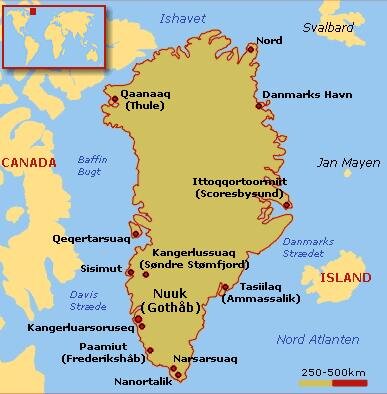
The key aim is to map similarities and differences between the dust of Mars and Svalbard. The atmosphere at the Red Planet is frequently swept by huge dust storms. Likewise, Svalbard often sees turbulent windy conditions. "I really hope for relatively strong winds during the two weeks of the expedition. Hopefully the winds will be strong enough to carry dust around so the magnets will have something to catch," adds Thea.
The expedition is led by Hans E.F. Amundsen from the Earth and Planetary Exploration Services (EPX), Oslo, in collaboration with Andrew Steele from the Carnegie Institution of Washington (CIW), and scientists and engineers from other NASA and ESA-related institutions. The expedition started on 12 August and continues until 26 August.


