Micro-satellite steers by the stars to return views of Earth
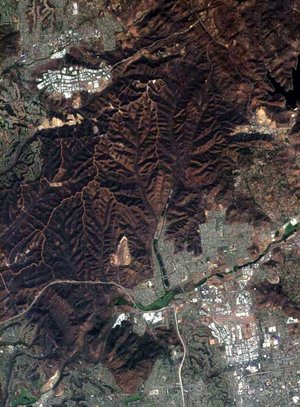
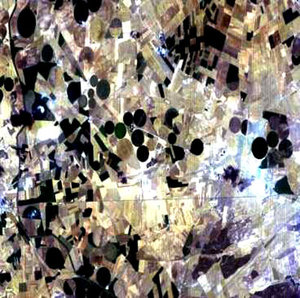
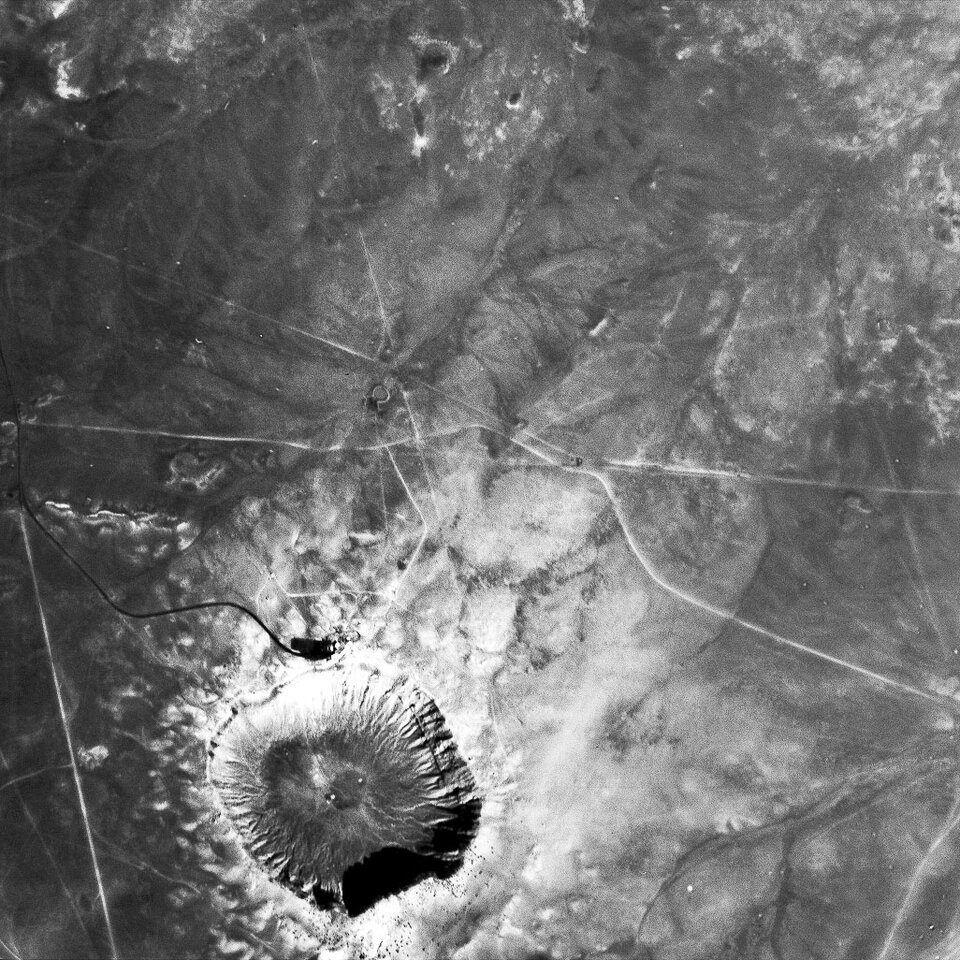
Since its launch in October 2001, ESA’s Proba micro-satellite has been returning remarkable imagery of some of our planet’s major landmarks with a compact instrument called the High Resolution Camera.
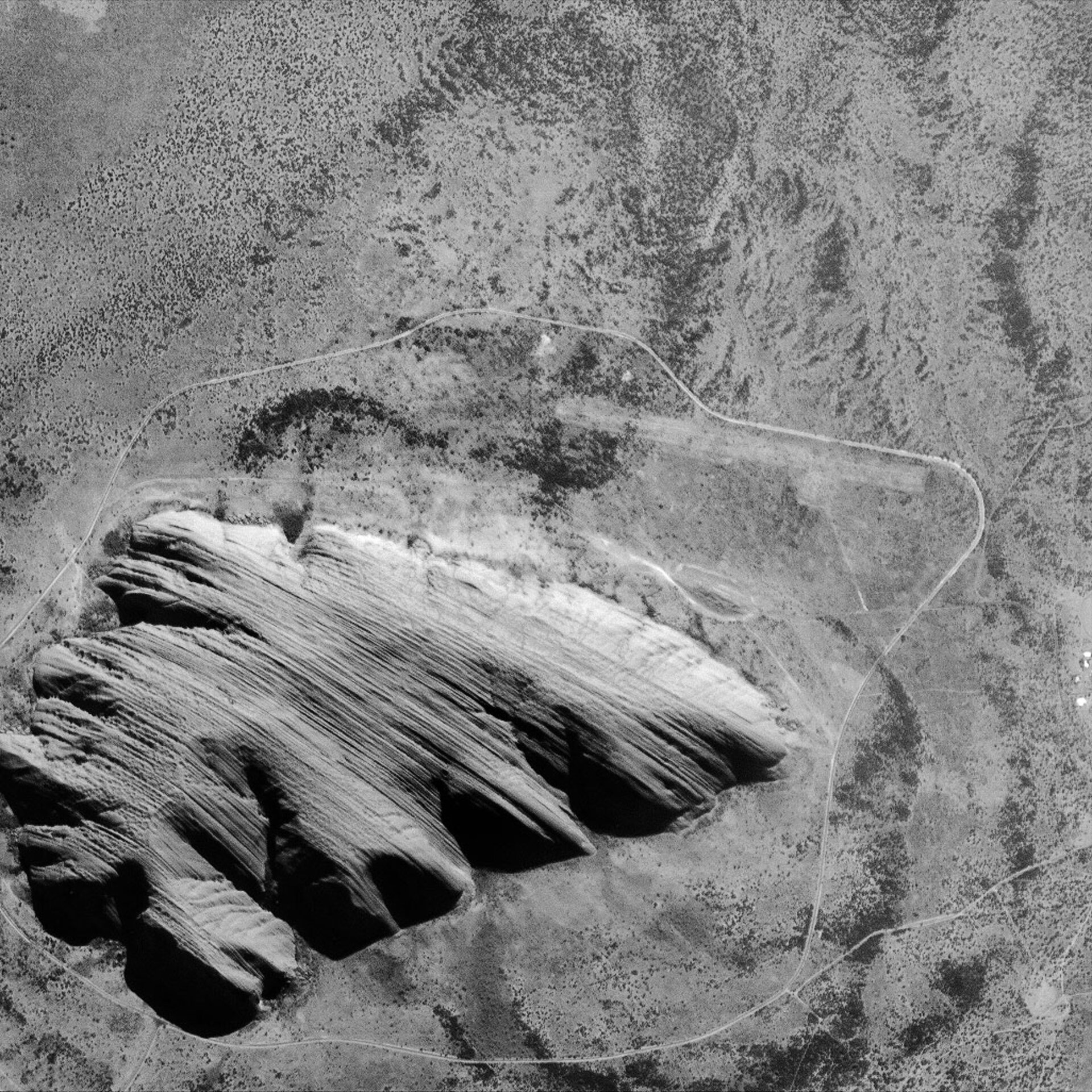
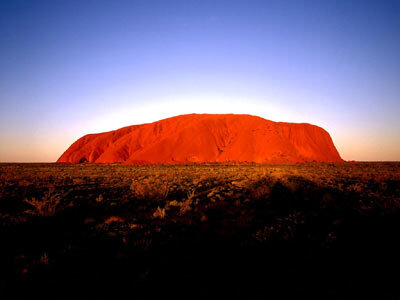
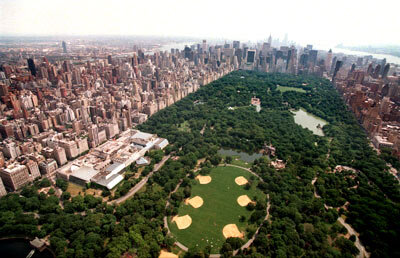
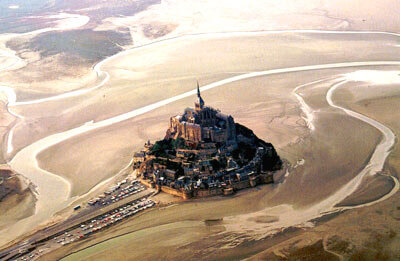
On display here are some notable examples, ranging from the monolithic Uluru or Ayers Rock in the Australian Outback to the tidal island of Mont St. Michel on the northern coast of France, and the Pyramids on Egypt's Giza Plain.
Measuring just 80 x 60 x 60 cm, Proba is the size and shape of a small washing machine. It orbits 600 km above the Earth’s surface.
Its main payload is the Compact High Resolution Imaging Spectrometer (CHRIS), a compact hyperspectral imager that returns detailed data on the Earth’s environment, seeing down to a resolution of 18 metres.

Also aboard is the compact High-Resolution Camera (HRC), which acquires black and white 25-km square images to a resolution of five metres.
Proba was originally created as a technology demonstration mission, and has a high degree of onboard autonomy.
Operators on the ground send up the raw inputs of a target to be imaged – latitude, longitude, and altitude – and Proba itself does the rest.
Proba keeps track of its orbital position with a Global Positioning System (GPS) receiver.
This works on the same basic principle as GPS navigation systems in wide use down on our planet's surface.
However because Proba is travelling at a very high velocity in relation to the GPS satellite constellation the receiver has been designed to cope with much higher rates of Doppler shifting as well as the constant changing of the individual GPS satellites being tracked.
To image a target on the ground, Proba must be correctly lined up with it. To precisely determine its attitude (or pointing direction) in space, the satellite supplements GPS with an onboard star tracker system called the Advanced Stellar Compass (ASC).
The ASC compares observed luminous objects to a star catalogue database containing thousands of stars in order to accurately calculate its orientation in relation to its desired target.

Proba then adjusts its position to line itself up with its ground target by use of reaction wheels capable of a high level of precision control: increasing the rate a wheel spins causes the spacecraft to rotate in the opposite direction, then braking by the same amount cancels out this rotation.
During the actual imaging procedure Proba employs its reaction wheels to compensate for natural orbital movement and keep itself 'staring' at its target.
About Proba

Proba (Project for On Board Autonomy) is an ESA micro-satellite built by an industrial consortium led by the Belgian company Verhaert, launched from India on 22 October 2001, and operated from ESA's Redu Ground Station in Belgium.
Proba was designed to be a one-year technology demonstration mission of the Agency but has since had its lifetime extended as an Earth Observation mission.

It now routinely provides scientists with detailed environmental images thanks to CHRIS, developed by UK-based Sira Electro-Optics Ltd - one of the main payloads on the 100 kg spacecraft.
Also aboard is the HRC, a small-scale monochromatic camera made up of a miniature Cassegrain telescope and a 1024 x 1024 pixel Charge-Coupled Device (CCD), as used in ordinary digital cameras.

Proba boasts an 'intelligent' payload and has the ability to observe the same spot on Earth from a number of different angles and different combinations of optical and infra-red spectral bands.
A follow-on mission, Proba-2, is due to be deployed by ESA around 2005.