How many stars near us have planets?
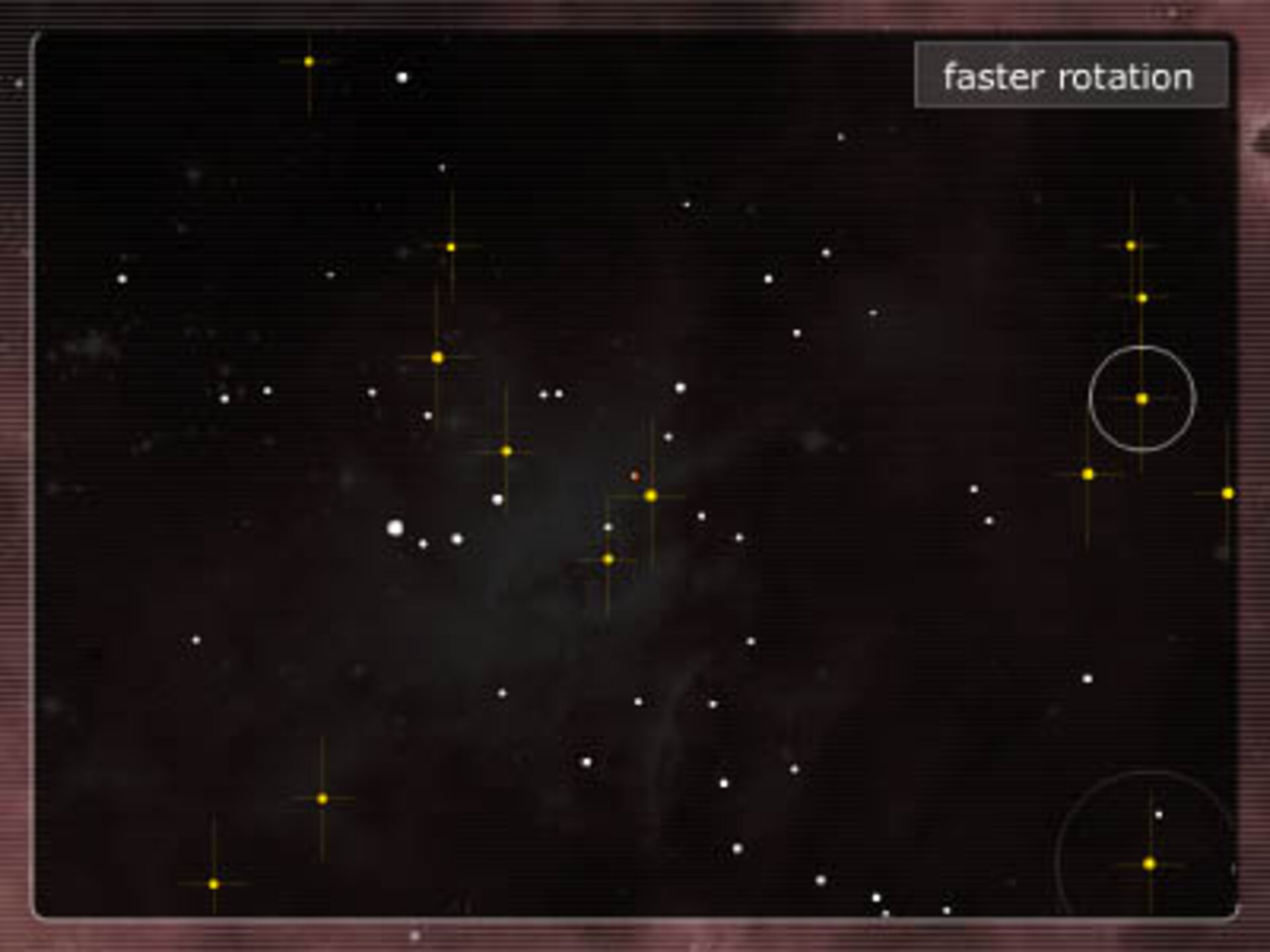
This animation shows the number of stars in our local stellar neighbourhood that have been identified to have planets orbiting them.
So far, 88 new solar systems, i.e. planetary systems orbiting 'main sequence' stars like our own, have been identified within a distance of 390 light-years from the Sun. These stars are highlighted and named in this animation.
The first definitive extrasolar planet around a main sequence star was announced on 6 October 1995 by Michel Mayor and Didier Queloz; the star was 51 Pegasi. Since then dozens of extra-solar planets or planet 'candidates' have been detected. More than 136 possible planets have been discovered (to September 2004).
In 2004, it was announced that the NASA/ESA Hubble Space Telescope had been used to detect an additional 100 planets, but the presence of these planets has yet to be confirmed.