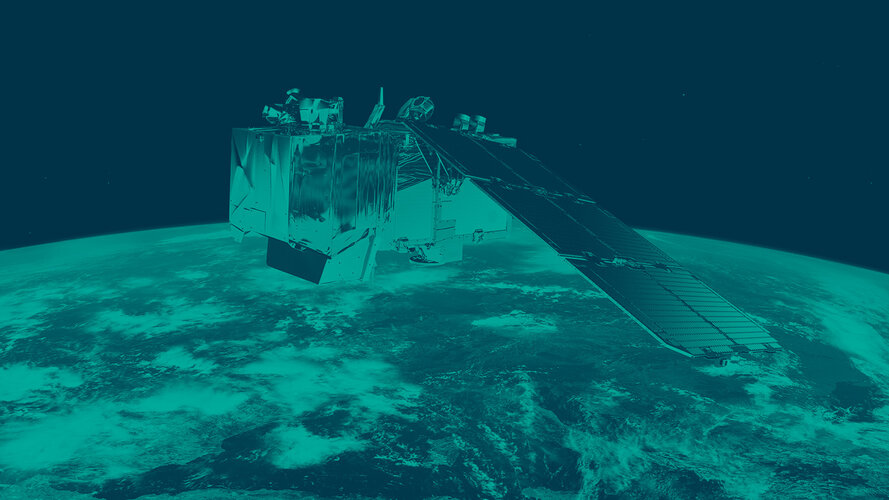
Celebrating 10 years of Sentinel-2
The first Copernicus Sentinel-2 satellite, Sentinel-2A, was launched 10 years ago today – exactly. On 23 June 2015, Sentinel-2A, developed by ESA, took to the skies on a Vega rocket from Europe’s Spaceport in French Guiana, adding a high-resolution optical imaging system to Copernicus, the Earth observation component of the European Union’s space programme.
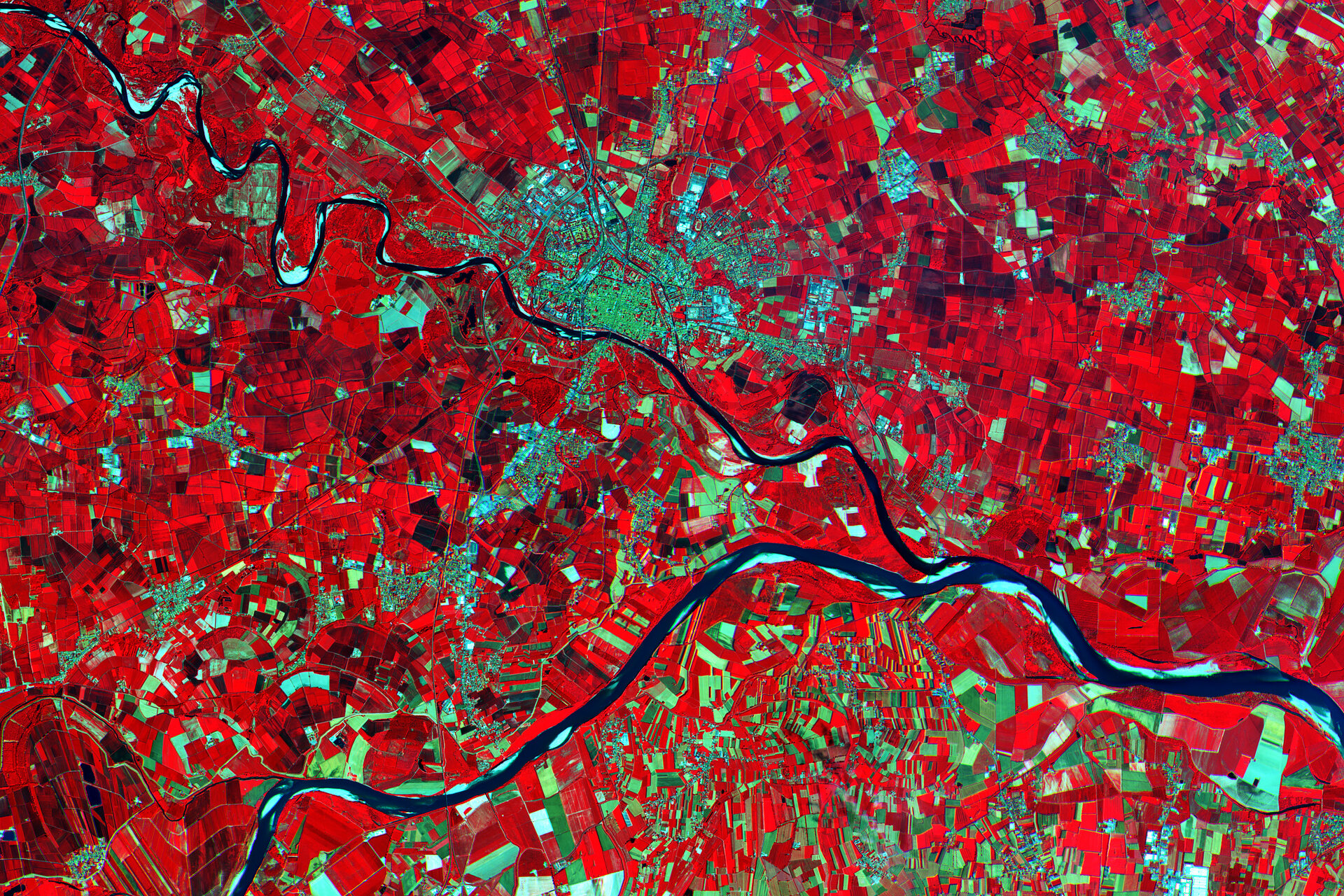
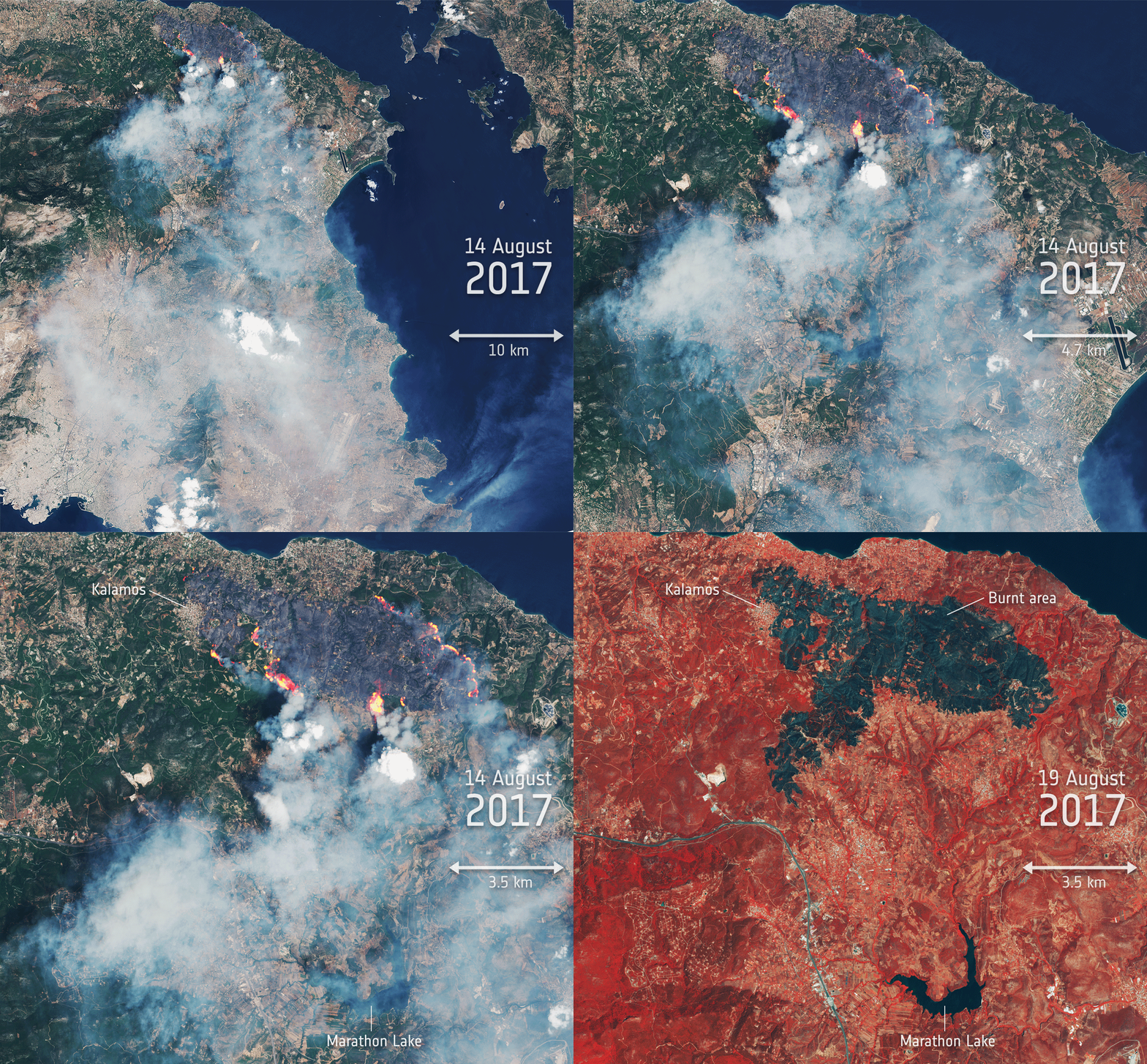
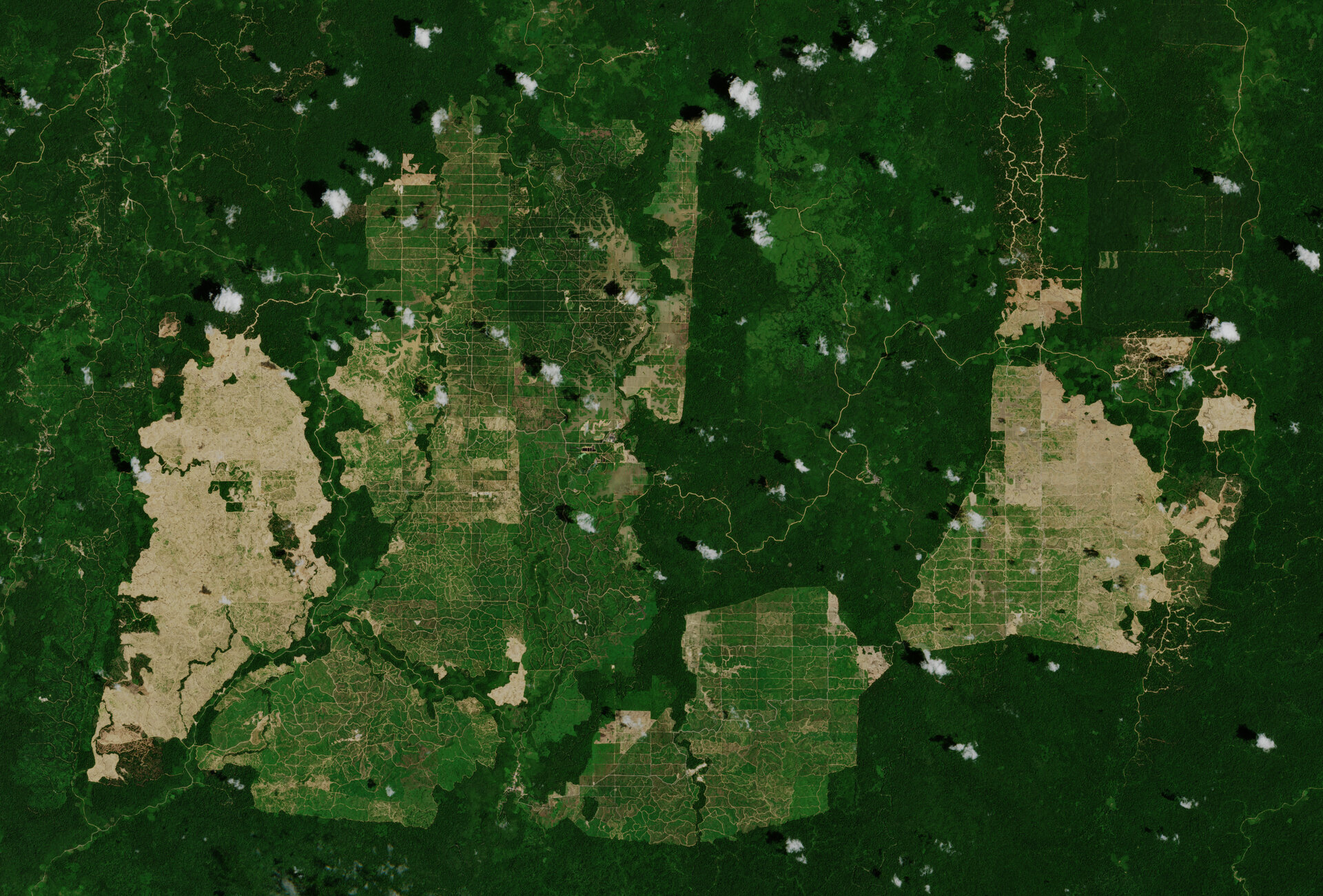
Marking a first for ESA, Sentinel-2A combined a high-resolution multispectral imager with a 290 km-wide coverage path, to return spectacular views of Earth’s changing lands for a new perspective of our land and vegetation for agriculture, forest and water management, for example. The mission, however, has gone above and beyond – also returning new information about our marine biology, methane emissions and changing polar ice.
The images in the carousel below offer a glimpse of what the Sentinel-2 mission has brought us over the last 10 years.

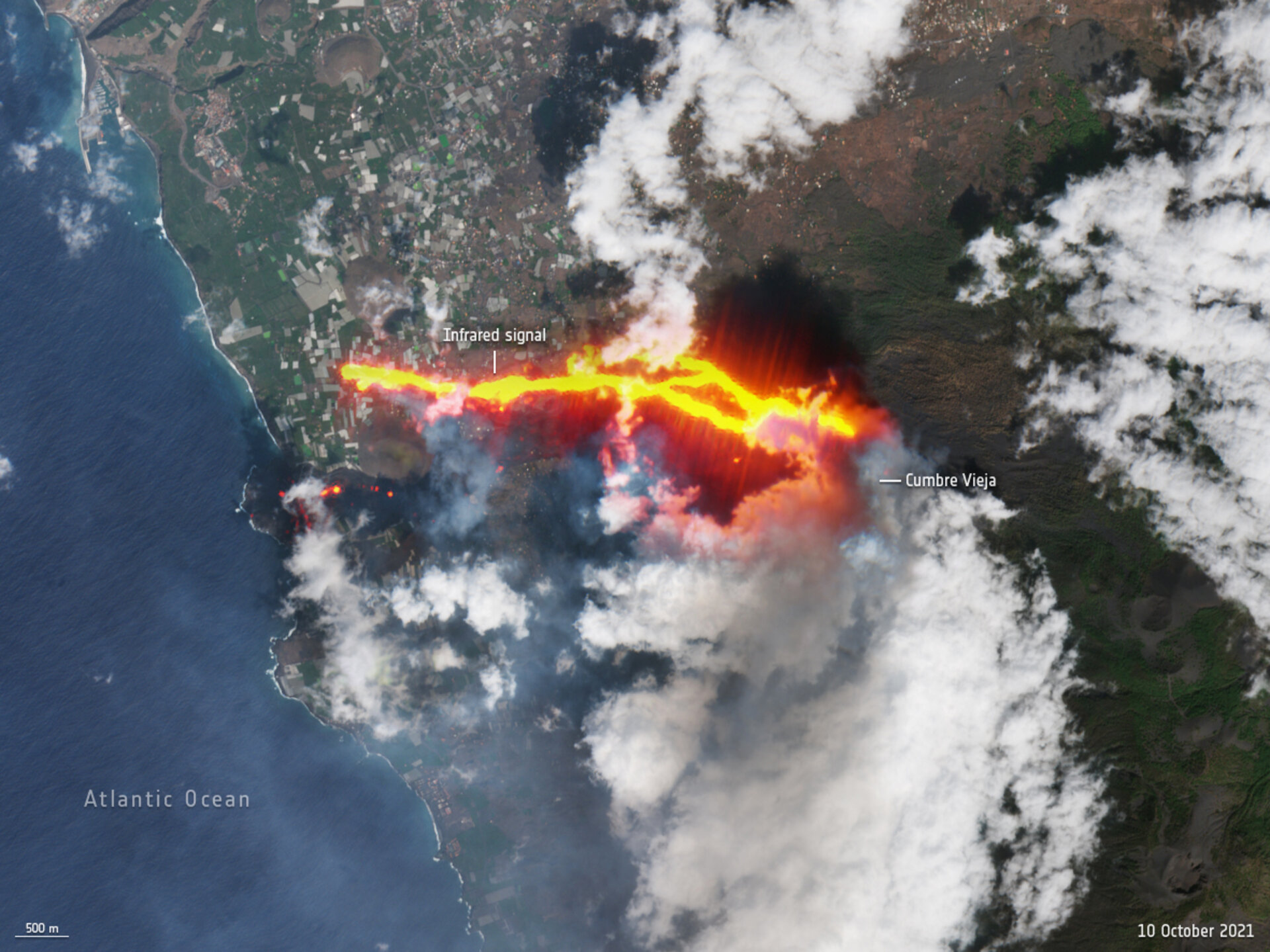

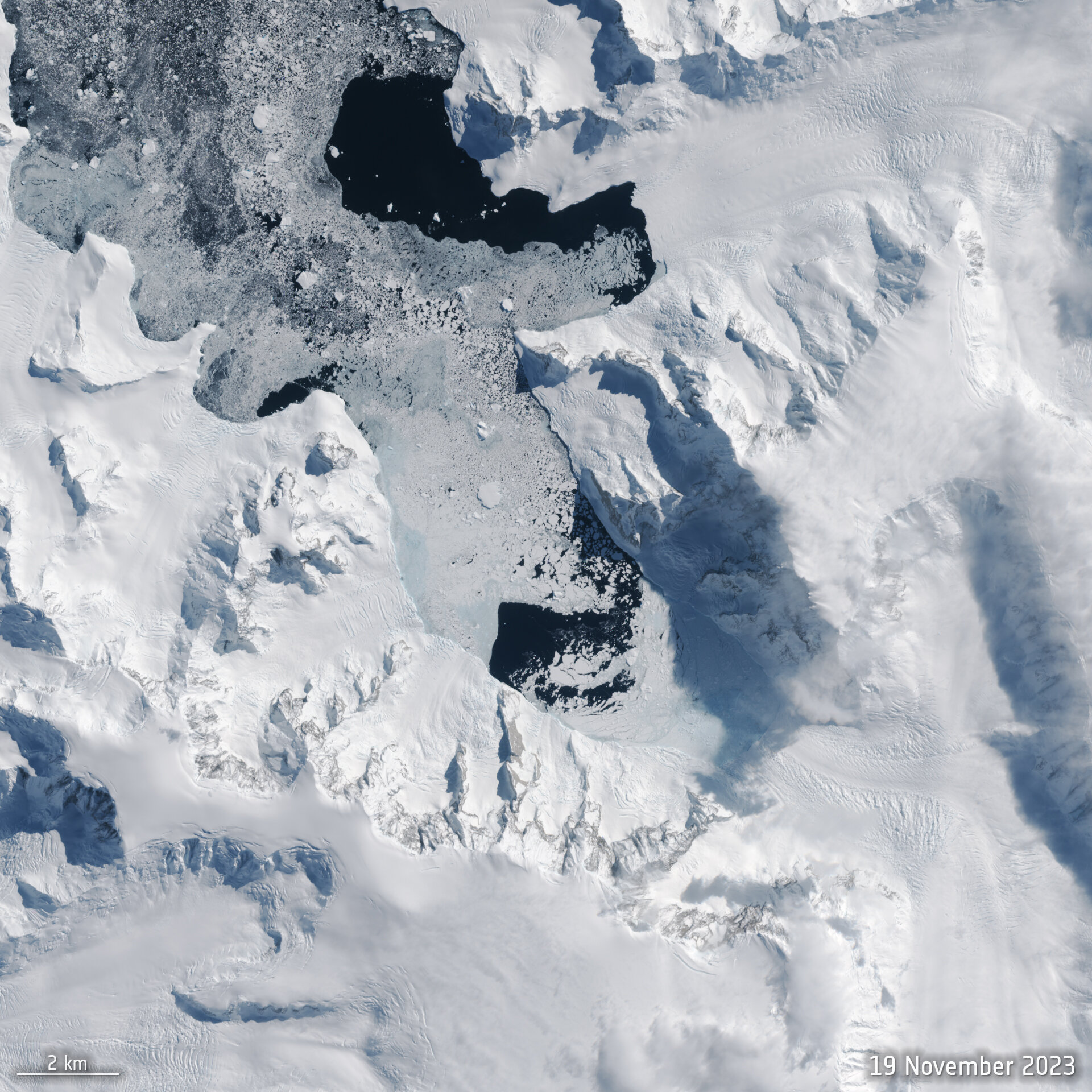
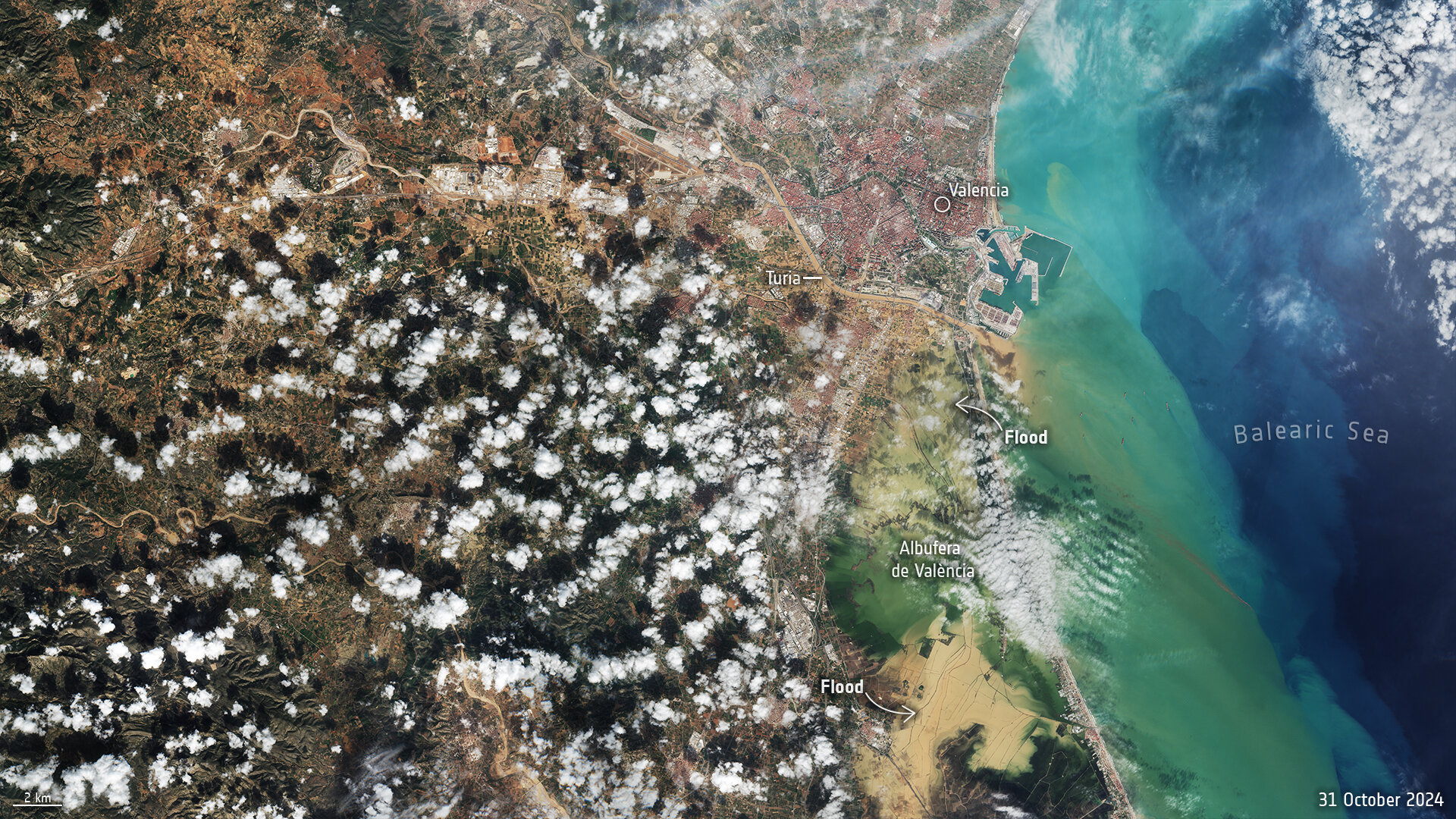
Designed with an in-orbit life of seven years, Sentinel-2A is still going strong, and accompanied by its sibling satellites Sentinel-2B, launched in March 2017, and Sentinel-2C, launched in September 2024.
ESA’s Sentinel-2 Mission Manager, Ferran Gascon, said, “We are incredibly proud to celebrate 10 years of Sentinel-2A in orbit today at the Living Planet Symposium. Not only has the satellite far exceeded its original design lifetime, but it continues to operate flawlessly – a remarkable achievement that reflects Europe’s leadership and excellence in satellite engineering and Earth observation.

“Sentinel-2A, and the mission as a whole, has offered an unparalleled view of Earth’s landscapes, ecosystems and environmental changes. From supporting farmers and managing forests to tracking coastal health and ice loss, the data the mission provides has become an essential resource for science, policy and daily life.
Today’s anniversary is not just a celebration of longevity, but of impact and innovation, and a reminder of what’s possible when science, technology, and international collaboration come together.”