Future Space Transportation
In brief
The future launchers preparatory programme (FLPP) is ESA's dedicated programme to advancing Europe's space transportation capabilities to space, in space, and back from space. It supports the development and testing of new technologies and system concepts that will shape the next generations of European space transportation systems. From reusable launchers and in-space transportation to advanced propulsion, the future launchers preparatory programme prepares the future of space transportation.
In-depth
New space, high-tech
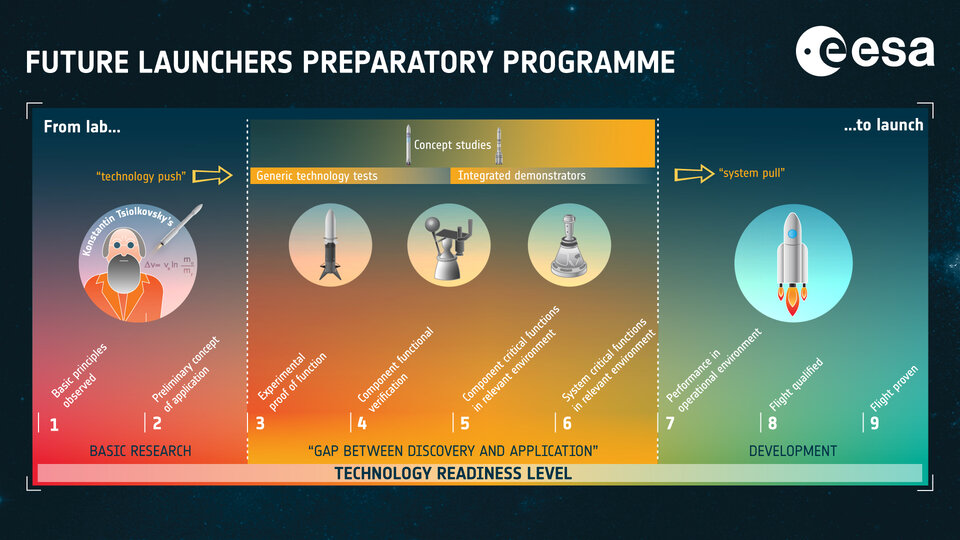
Developing new rockets and in-space transportation takes time, mission designers are often called upon to develop projects to go to space, travel and function in space and return to Earth based on technology that may not quite exist… yet.
In the space industry, technologies are ranked on a scale from 1 to 9 based on how ready they are to be used. Level 1 designates technologies for which basic research has been conducted, while level 9 means that the technology is fully proven, reliable, and in regular production and use.
Visionary

Part of knowing what technology is needed, is knowing what goals we have. Here the European Space Agency’s (ESA) vision can aid industry in targeting research and development.
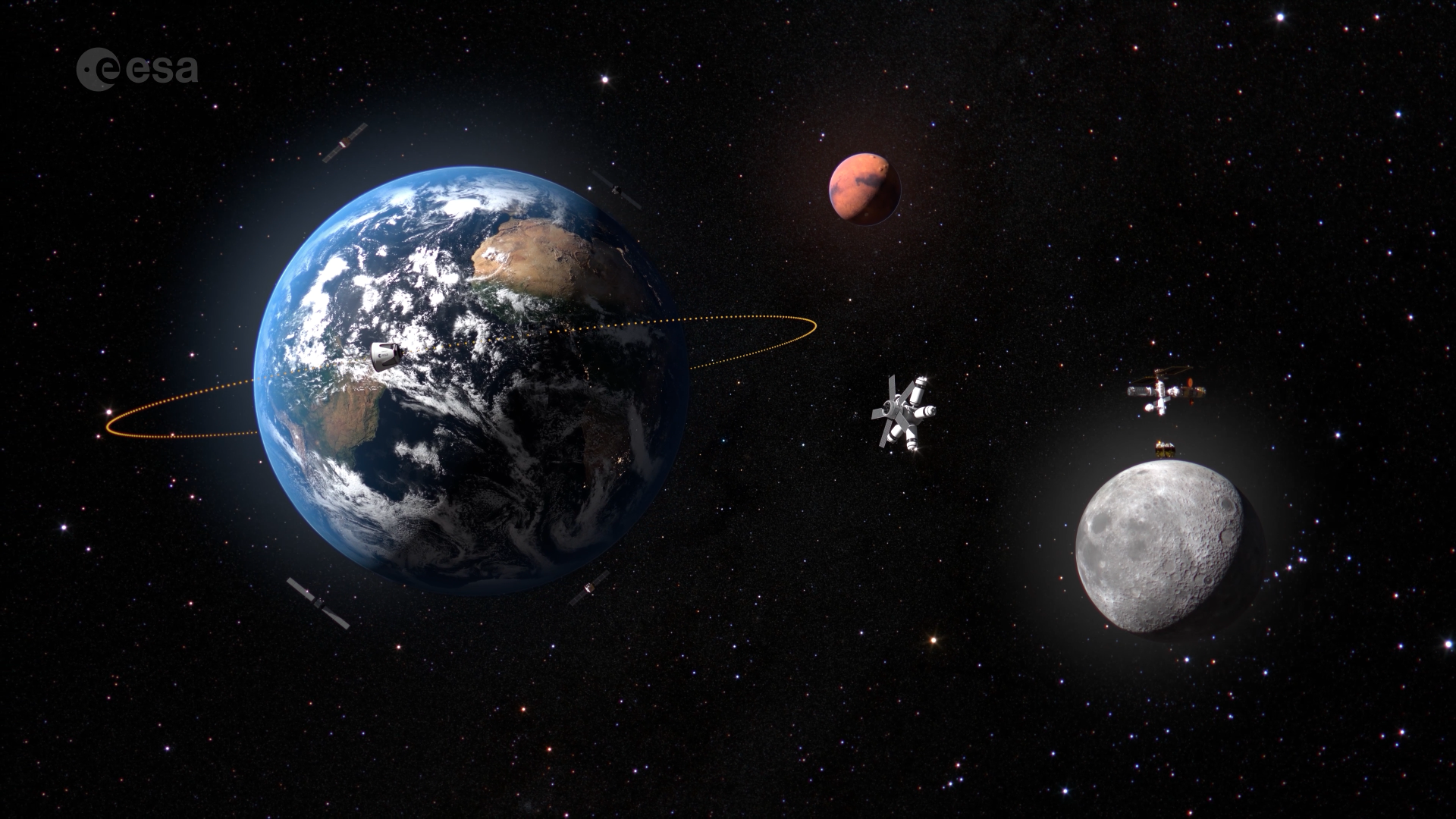
According to ESA’s analyses, the future for space transportation will see spacecraft travel between hubs and stay in space operationally for a longer time, fulfilling several missions. The so-called hub-and-spoke model foresees infrastructure in space replacing one-off missions launched from Earth now. At a basic level, a fuel depot could store spacecraft fuel in orbit to replenish satellites or spacecraft for further missions.
Much like airports are logistical hubs on Earth, nodes in space could be staging posts, travel centres, areas of manufacturing and industry or repair and disposal of spacecraft.
Disruptive development

To get to this space-based economy and infrastructure many projects are running in parallel at ESA to aid and develop all the technologies that are needed. Starting from the most far advanced these projects fall under the future launchers preparatory programme:
Adapting and making the reusable rocket engine Prometheus easier to produce and run on multiple fuels. Prometheus can be used on different rockets, including the reuseable rocket stage demonstrator Themis.
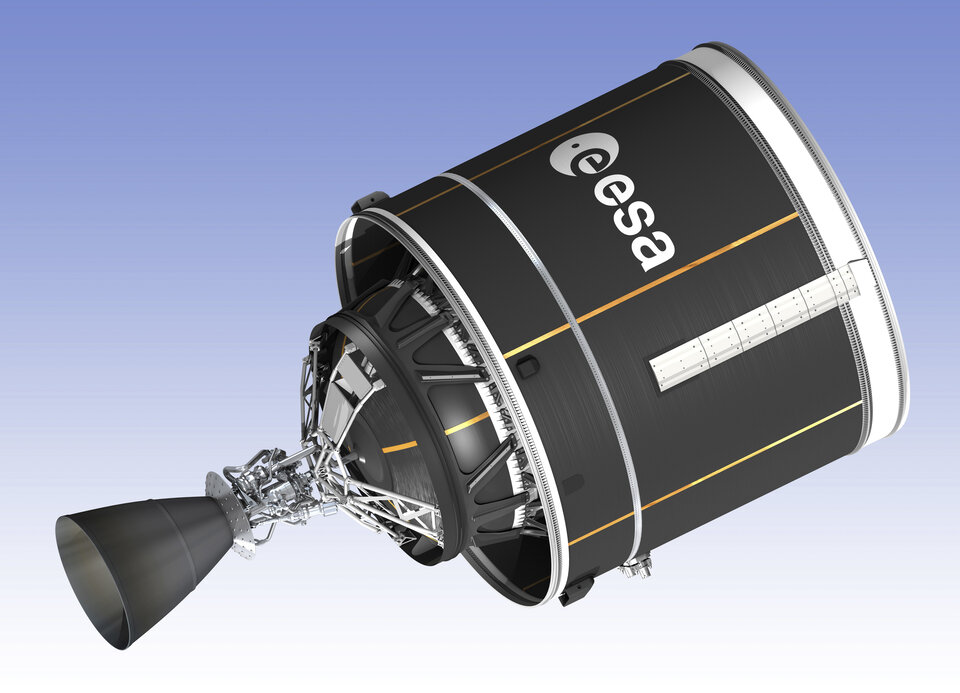
Meanwhile work is also being done to reduce weight on elements of rockets, for example the Phoebus project has developed a carbon-fibre propellant tank that could be used in the Ariane 6 rocket or others.
ESA funds and shares know-how with rocket engine manufacturers to help design, build and test engines that are getting ready to fly as well as very high-thrust engines and novel designs for more efficient rocket engines.
Initiatives such as BEST! (Boosters for European Space Transportation), THRUST! (Technologies for High-thrust Re-Usable Space Transportation), and FIRST! (Future Innovation Research in Space Transportation) are stimulating the development of individual technologies for reuseable boosters, reusable engines and other technologies needed for the future ecosystem in space.
Proving it in space

One part of developing completely new breakthrough technology is proving it works… in space. A main challenge to qualify new technology is demonstrating it will work in space. Space conditions are difficult to simulate on Earth and nothing beats the real thing. The “In- Space Proof of Concept” initiative (often abbreviated to ‘In-SPoC’) is focusing on demonstrating new technology and setting standards for interoperability in space. By showing a working demonstration in the harsh conditions outside our planet, then European companies can market and sell their technology.
A space Odyssey

All the projects and technologies above are being packaged into one logistical hub, providing a service for satellites and spacecraft in orbit: an uncrewed propellant depot. Called Odyssey, this uncrewed outpost would store propellant bought from visiting supply rockets and distribute it as needed to spacecraft on a stopover to destinations farther away such as the Moon or Mars.

Access the video