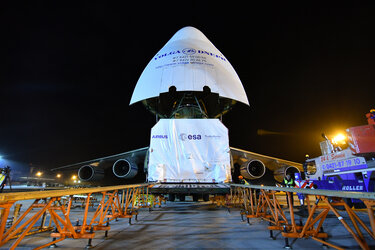
Artemis I
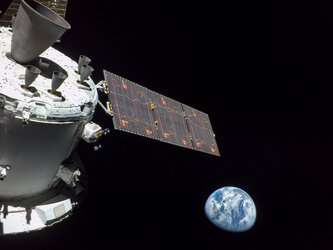
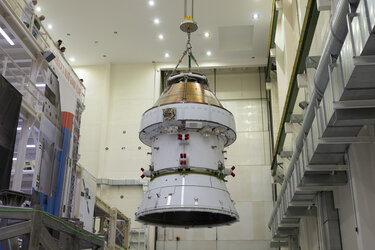
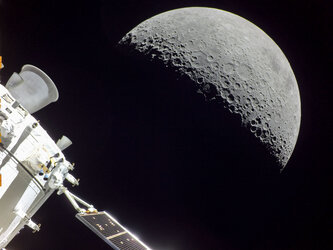
Artemis I, the first mission for Orion and its European Service Module, saw the uncrewed spacecraft travel around the Moon and back, farther than any spacecraft designed to carry humans.

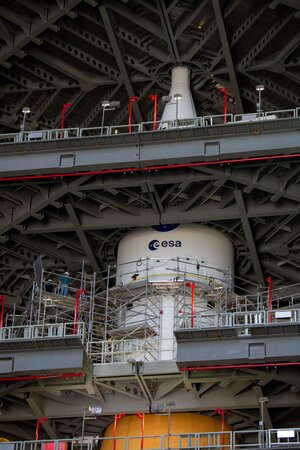
Launched by NASA’s first Space Launch System (SLS) rocket on 16 November from the Kennedy Space Center in Florida, US, Orion embarked on a 25-day mission that saw it fly twice around the Moon. The European Service Module’s 33 engines propelled Orion in space, with a total of five main engine burns completed during the mission.
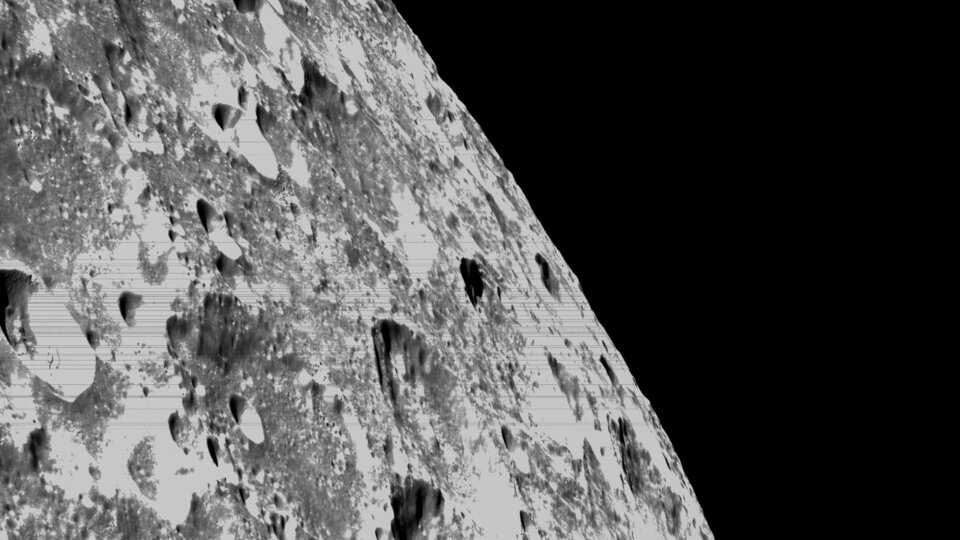
Six days after launch, and just 130 km above the lunar surface, the European Service Module’s main engine fired for two minutes to push the spacecraft towards a lunar orbit using the Moon’s gravity.

Thirteen days after launch, Orion and its European Service Module broke the record for the maximum distance from Earth in a crew-rated spacecraft: over 64 000 km from the Moon, and 432 210 km from our home planet.

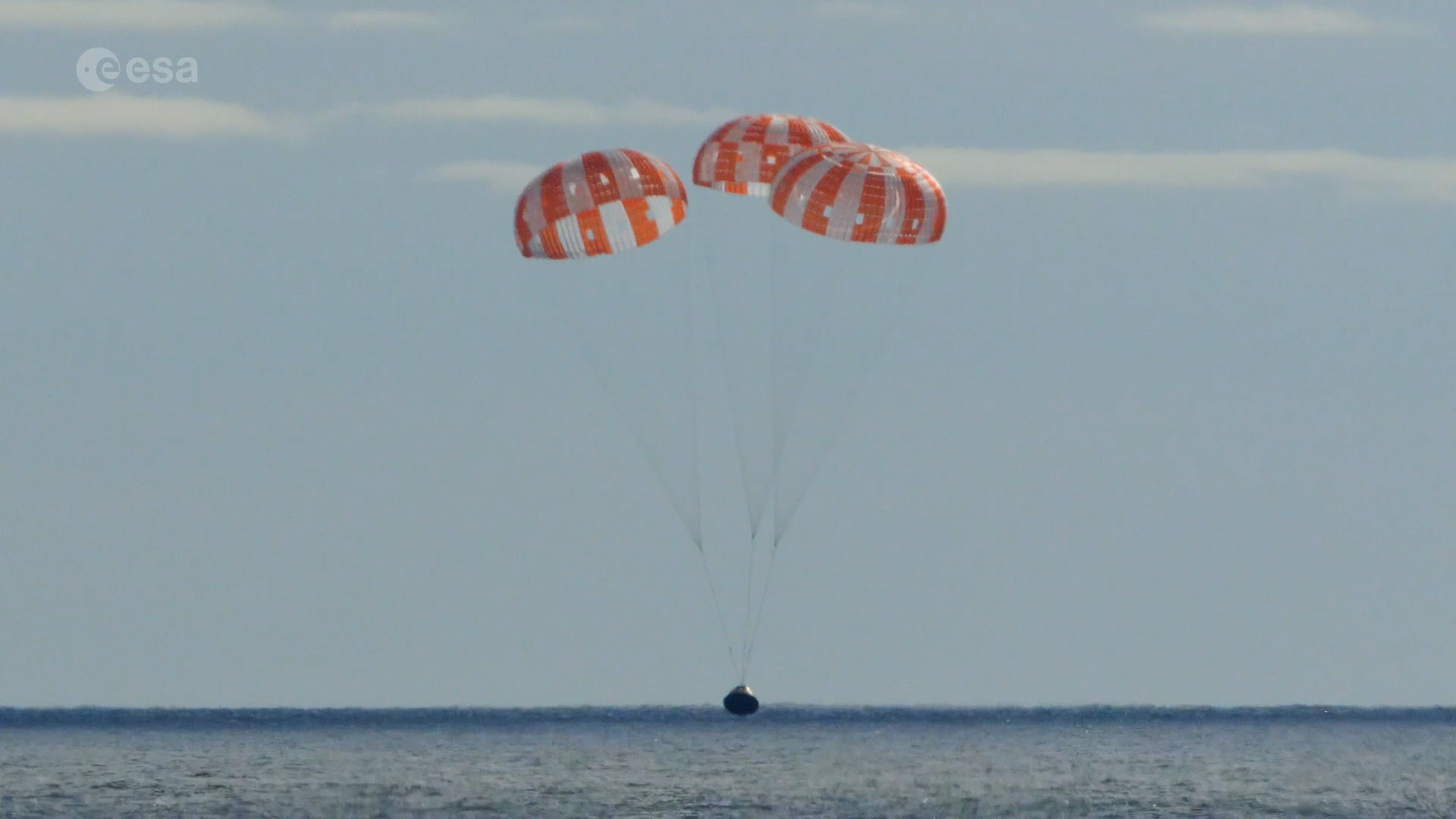
Access the video
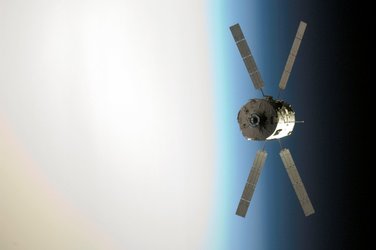
As Orion approached Earth, the European Service Module used its 24 small thrusters for eight seconds – a final burn to set up the spacecraft for reentry – then, it separated from the spacecraft, burning up in the atmosphere and leaving the crew module to splash down safely 40 minutes later in the Pacific Ocean.

This first mission of the Artemis international lunar exploration programme provided a first test of NASA’s SLS rocket and the Orion spacecraft before the crewed Artemis II mission in 2026.

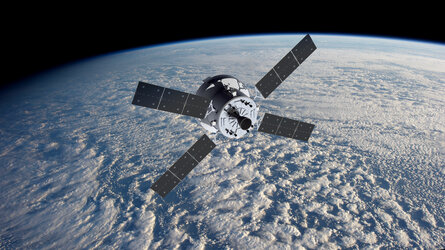
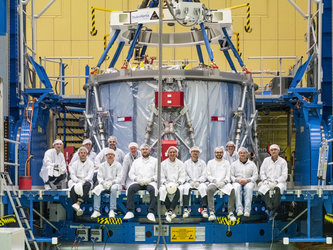
The European Service Module, a powerhouse crafted by ESA and industry from over 10 countries across Europe, excelled in its performance during the two-million-kilometre journey, propelling Orion and providing the spacecraft with more power than expected with its solar arrays. Future European Service Modules will also provide breathing air, drinking water and thermal control for astronauts on board Orion for future missions.