Training at the European Astronaut Centre
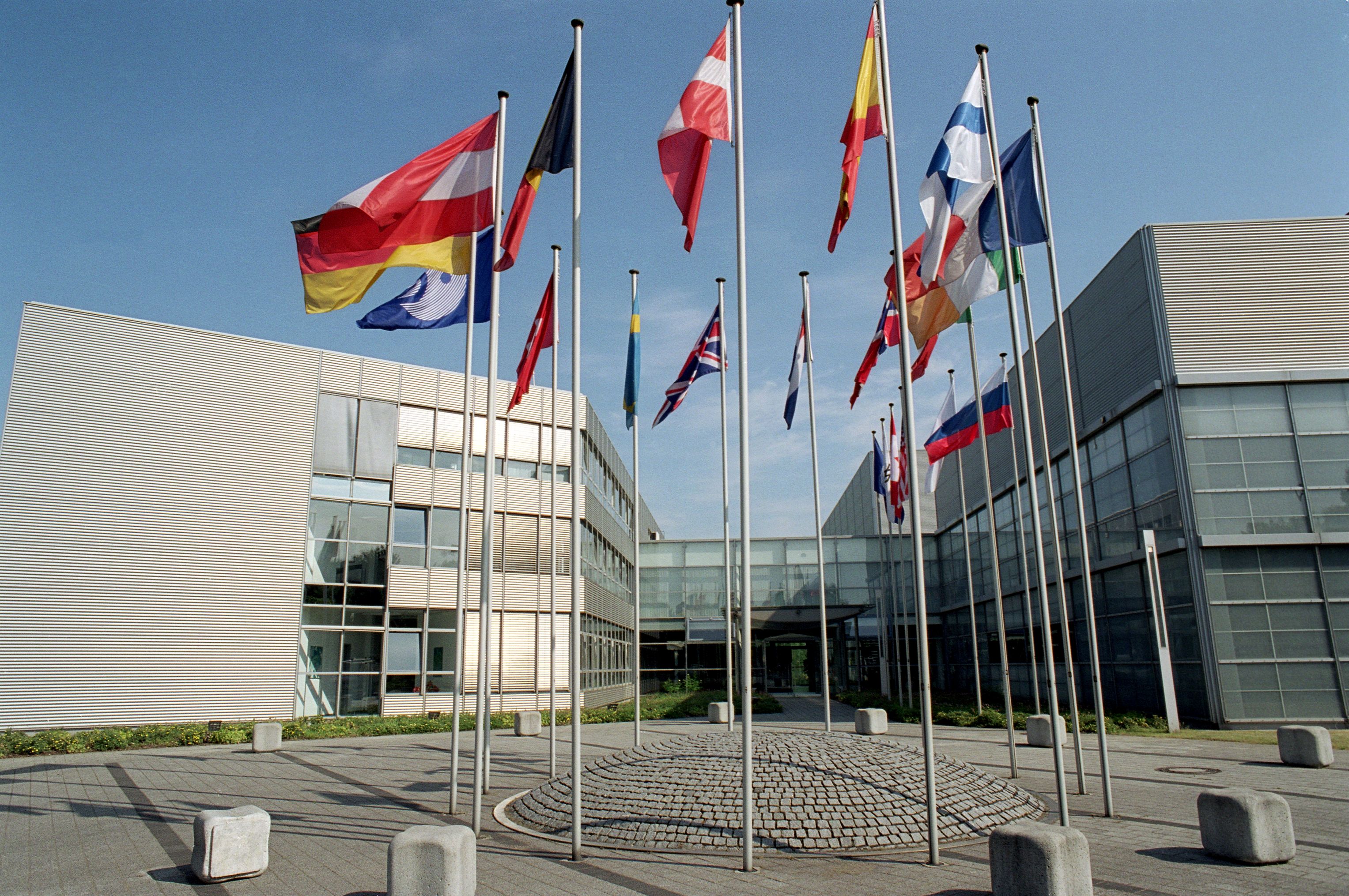
For a human mission to space, astronauts (and mission teams on the ground) have to know about how their spacecrafts work, handle experiments on the International Space Station, learn about space systems, and special skills like robotic operations, and prepare for spacewalks. To practice this, astronauts in Europe mostly train at ESA’s European Astronaut Centre (EAC) in Cologne, Germany.
As of the April 2024 graduation, there are 11 active astronauts from ESA, coming from eight Member States! On top of this, 12 members of the European astronaut reserve were selected, including the first person with a physical disability to join ESA's astronaut reserve—John McFall. With John’s selection, ESA has launched the "Fly!" Initiative which is making space missions more possible for all.
The EAC team is made up of ESA astronauts, astronaut training instructors, space medicine experts, crew operations specialists, European communicators, young interns, and researchers. Together, they prepare European and international astronauts for many different types of missions.
EAC has around 200 people working together on this mission. It’s located on the campus of the German Aerospace Center (DLR), where they work closely with scientists from DLR’s Institute of Aerospace Medicine, envihab. This medical research facility studies how space affects humans and how to stay healthy in space. Right next to EAC is LUNA, a special place where astronauts can train for the Moon, with its own lunar surface and technology test centre.
The teams and facilities at EAC support not only ESA’s astronauts but also international space teams. Astronauts from different space agencies come to train at EAC, just like they do on the Space Station. EAC trains around 30 astronauts each year from around the world.
One way this is done is by practicing the work that they would do in the Earth’s orbit (in-orbit activities) in a huge water tank that has a copy of the European Columbus science lab. Spacesuited astronauts can use the tank to practice spacewalks because when the water pushes up on them (from a force called buoyancy) this balances the gravity pulling them down. This means the water makes them feel almost weightless, just like they would be in space. This helps them prepare for spacewalks and other activities they’ll do in orbit!

Andreas Mogensen during EVA training underwater with a copy of the European Columbus science lab
EAC has a full-size model of the Columbus science lab, as well as simulators and other hands-on equipment. This allows astronauts from countries such as the USA, Russia and Japan to learn about the European parts of the International Space Station and how to command the European research lab on the Space Station. There’s also a state-of-the-art fitness room, classrooms, and computer-based training systems managed by expert staff at EAC.
Modern technology also helps astronauts to practice by using a virtual reality (VR) system. Wearing a special headset, they can move around or through the Space Station as if they were really there.
EAC also provides medical support to the astronauts and their families in preparation for, during and after their space missions. Dozens of space missions involving astronauts from ESA and its Member States have been helped by EAC since it was created in 1990.
Last modified 26 June 2025