• → European Space Agency

      • Space for Europe
      • Space News
      • Space in Images
      • Space in Videos
    • About Us

      • Welcome to ESA
      • DG's News and Views
      • For Member State Delegations
      • Business with ESA
      • ESA Exhibitions
      • ESA Publications
      • Careers at ESA
    • Our Activities

      • Space News
      • Observing the Earth
      • Human Spaceflight
      • Launchers
      • Navigation
      • Space Science
      • Space Engineering
      • Operations
      • Technology
      • Telecommunications & Integrated Applications
    • For Public

    • For Media

      • Media
      • ESA TV
      • Videos for professionals
      • Photos
    • For Educators

    • For Kids

    • ESA

    • Human Spaceflight

    • Astronauts

    • International Space Station

    • Research

    • Education

    • Our vision
    • About human spaceflight
    • Current missions
    • Volare
    • Bedrest studies
    • ATV
    • Concordia
    • Past missions

      • PromISSe
      • Mars500
      • MagISStra
      • DAMA mission
      • Node-3 & Cupola
      • Expert
      • Alissé
      • OasISS
      • Columbus
      • Esperia
      • Celsius
      • Astrolab
      • Eneide
      • DELTA
      • Cervantes
      • Odissea
      • Marco Polo
      • Andromède
      • STS-100
    • Multimedia
    • Video
    • Multimedia gallery
    • RSS feeds
    • Resources
    • Experiment archive
    • Services
    • Subscribe

    ESA > Our Activities > Human Spaceflight

    ATV preparing for fiery destruction

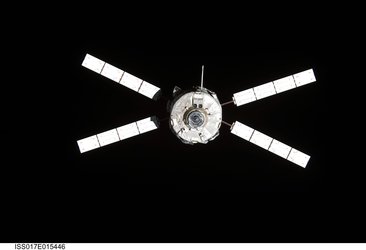
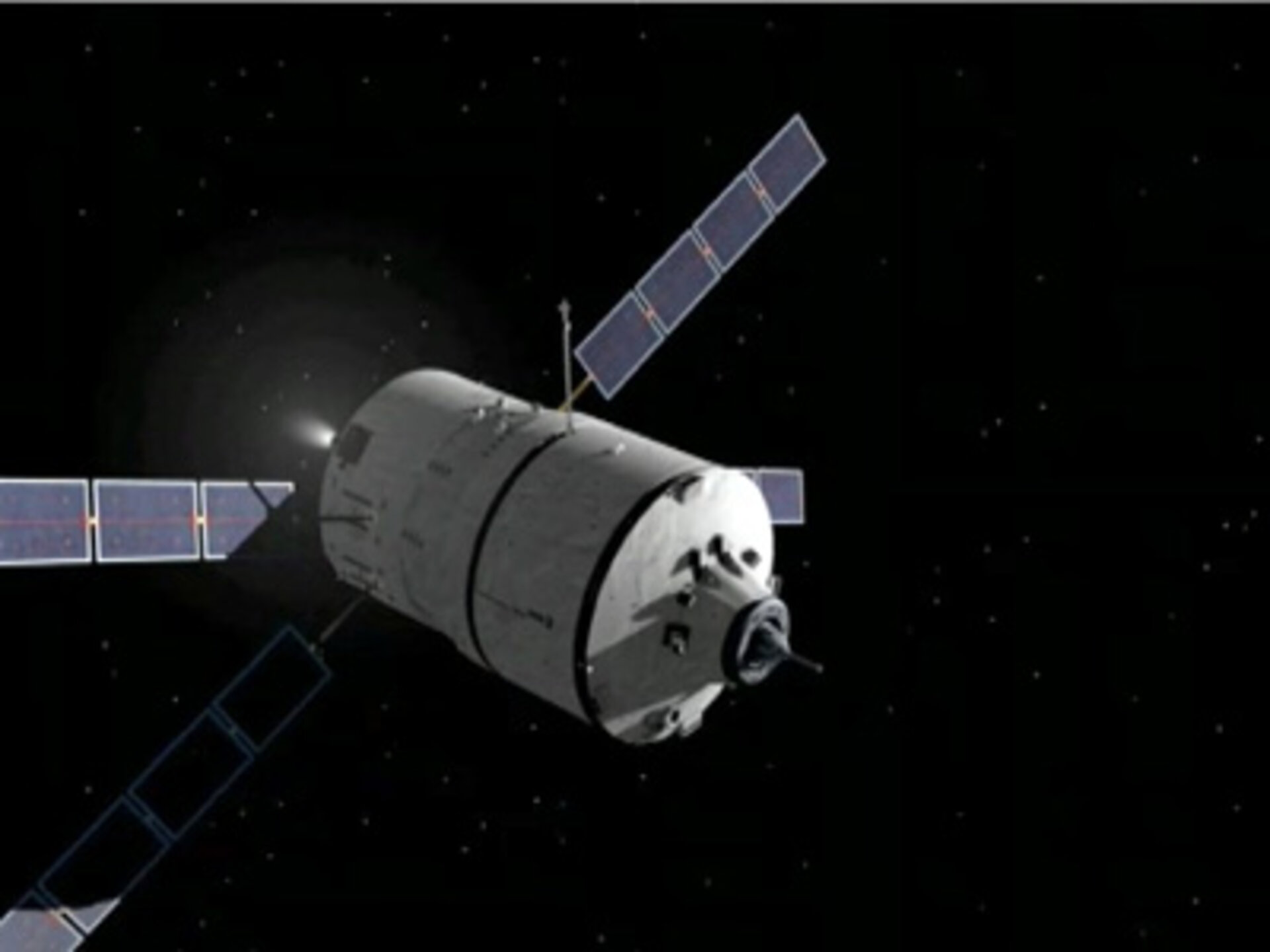
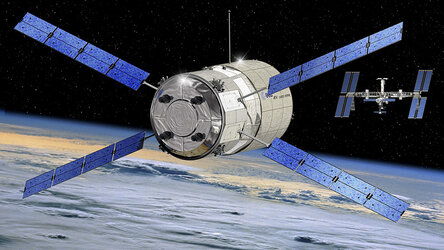
    ATV Jules Verne
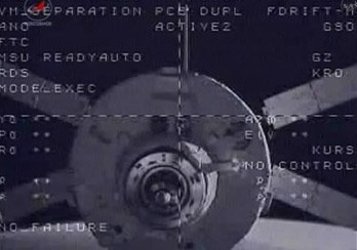
    ATV Jules Verne after undocking, 2008
    17 June 2011

    ATV Johannes Kepler has been an important part of the International Space Station since February. Next week, it will complete its mission by undocking and burning up harmlessly in the atmosphere high over an uninhabited area of the Pacific Ocean.

    Serving the International Space Station is a valuable job but it will come to a spectacular end: ESA’s second Automated Transfer Vehicle, packed with Station rubbish, will deliberately plummet to its destruction on Tuesday in Earth’s atmosphere.

    Just like the tonnes of natural space debris that collide with our planet every day, the 10-tonne ferry will burn up on reentry.

    Only a few hardy pieces might survive and splash into the uninhabited South Pacific. The area’s air and sea traffic has been warned and a no-fly zone will prevent any accidents.

    The racks inside ATV have been filled with some 1200 kg of waste bags and unwanted hardware by the crew.

    Mission so far
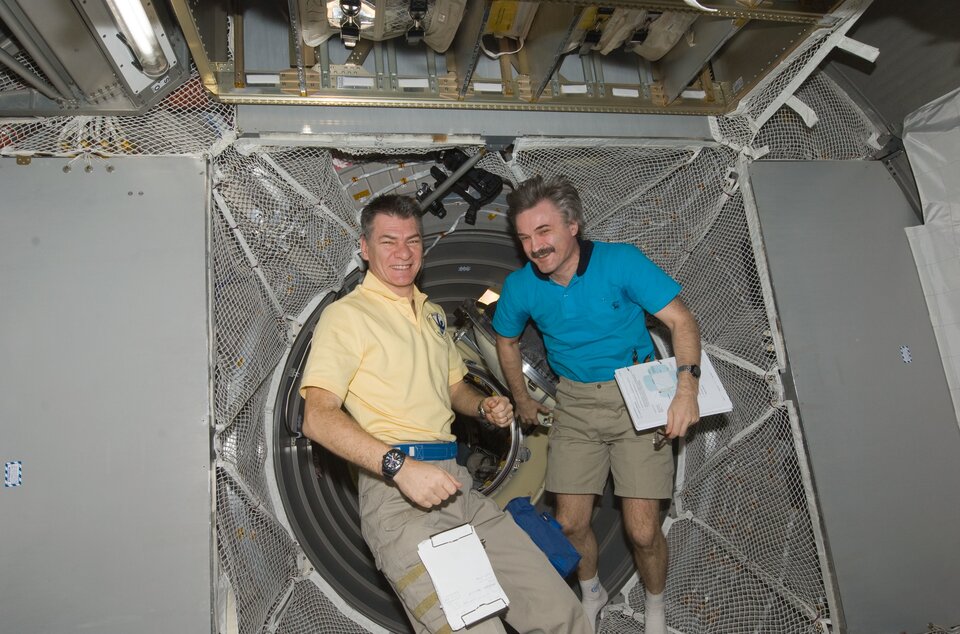
    Nespoli and Kaleri working in ATV-2

    ATV Johannes Kepler delivered about seven tonnes of much-needed supplies to the Space Station, including 1170 kg of dry cargo, 100 kg of oxygen, 851 kg of propellants to replenish the Station tanks and 4535 kg of fuel for the ferry itself to boost the outpost’s altitude and make other adjustments.

    ATV-2 manoeuvred the complex on 2 April to avoid a collision with space debris.

    During the hectic mission of Johannes Kepler, two Space Shuttles and Japan’s HTV cargo carrier visited the Station, along with two Progress and Soyuz spacecraft. These required several changes of Station attitude, mostly controlled by ATV’s thrusters.


    Big boosts and preparations for dive

    ATV’s last important task was to give the Station’s orbit a big boost. One important sequence was performed 12 June, another on 15 June and the last one this afternoon, 17 June.

    The combined effect of these manoeuvres was to raise the Station’s orbit to around 380 km.

    The crew will close the hatches between the Station and ATV-2 on Sunday afternoon at 15:30 GMT (17:30 CEST). Undocking follows on Monday, at 14:51 GMT (16:51 CEST), with ATV’s thrusters gently increasing the distance from the outpost.

    On 21 June, Johannes Kepler will fire its engines twice to descend from orbit.

    The first burn, at 17:07 GMT (19:07 CEST) will drop it towards Earth. The second burn, at 20:05 GMT (22:05 CEST), will direct it precisely towards its Pacific target.

    Hitting the upper atmosphere, ATV will tumble, disintegrate and burn, and any remains will strike the ocean at around 20:50 GMT (22:50 CEST).

    Useful up to last moments
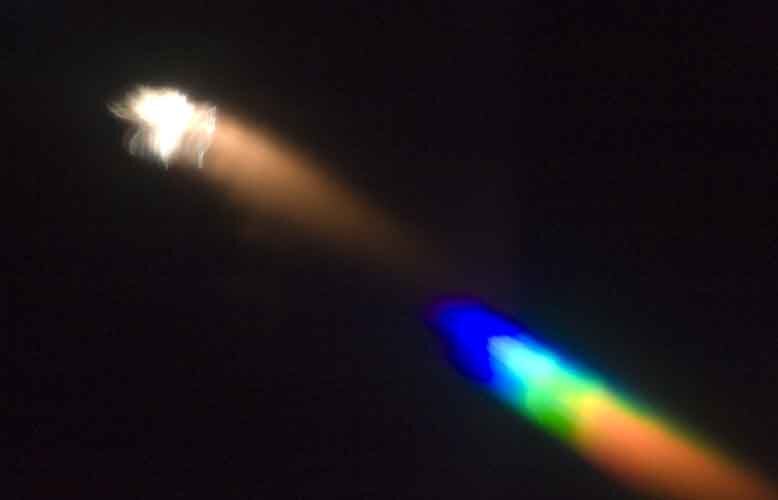
    ATV-1 fireball over Pacific, 2008

    Some aspects of a controlled destructive entry are still not well known, so ATV’s last moments will be recorded by a prototype ‘black box’.

    The Reentry Breakup Recorder will gather measurements on the location, temperature, pressure and attitude of the vehicle’s breakup before ejecting.

    Once it reaches an altitude of about 18 km, it will transmit the information via the Iridium satphone system.

    With this last phone call home, Johannes Kepler will be productive right to the very end of a fruitful mission.
    Rate this

    Views

    Share

    • Currently 0 out of 5 Stars.
    • 1
    • 2
    • 3
    • 4
    • 5
    Rating: 0/5 (0 votes cast)

    Thank you for rating!

    You have already rated this page, you can only rate it once!

    Your rating has been changed, thanks for rating!

    69
    Tweet
    • Automated Transfer Vehicle (ATV)
    • Follow the ATV Johannes Kepler misison via ESA's ATV blog
      Follow the ATV Johannes Kepler misison via ESA's ATV blog
      ATV blog
    • Related articles
      • Johannes Kepler has left the Station
        • ATV preparing for fiery destruction
          • Raising the ISS: ATV Johannes Kepler conducts the 'Big Boost'
            • ATV-4 to carry name Albert Einstein
              • Have a tour inside the ATV with Paolo Nespoli
                • Europe’s ATV Johannes Kepler supply ship on its way to Space Station
                  • Europe’s ATV space ferry ready for launch
                    • ATV Johannes Kepler gears up for space journey
                      • Second ATV named after Johannes Kepler
                        • ATV Johannes Kepler cargo section arrives in Bremen
                          • Second ATV heading to Kourou for launch
                          • Related links
                            • International Space Station
                            • EADS Astrium
                            • Arianespace

    Connect with us

    • RSS
    • Youtube
    • Twitter
    • Flickr
    • G+
    • Facebook
    • Livestream
    • Subscribe
    • App Store
    • LATEST ARTICLES
    • · Rare merger reveals secrets of gal…
    • · Watching for hazards: ESA opens as…
    • · ESA astronaut Timothy Peake set fo…
    • · Space drives e-mobility
    • · Proba-V opens its eyes
    • FAQ

    • Jobs at ESA

    • Site Map

    • Contacts

    • Terms and conditions