20 November
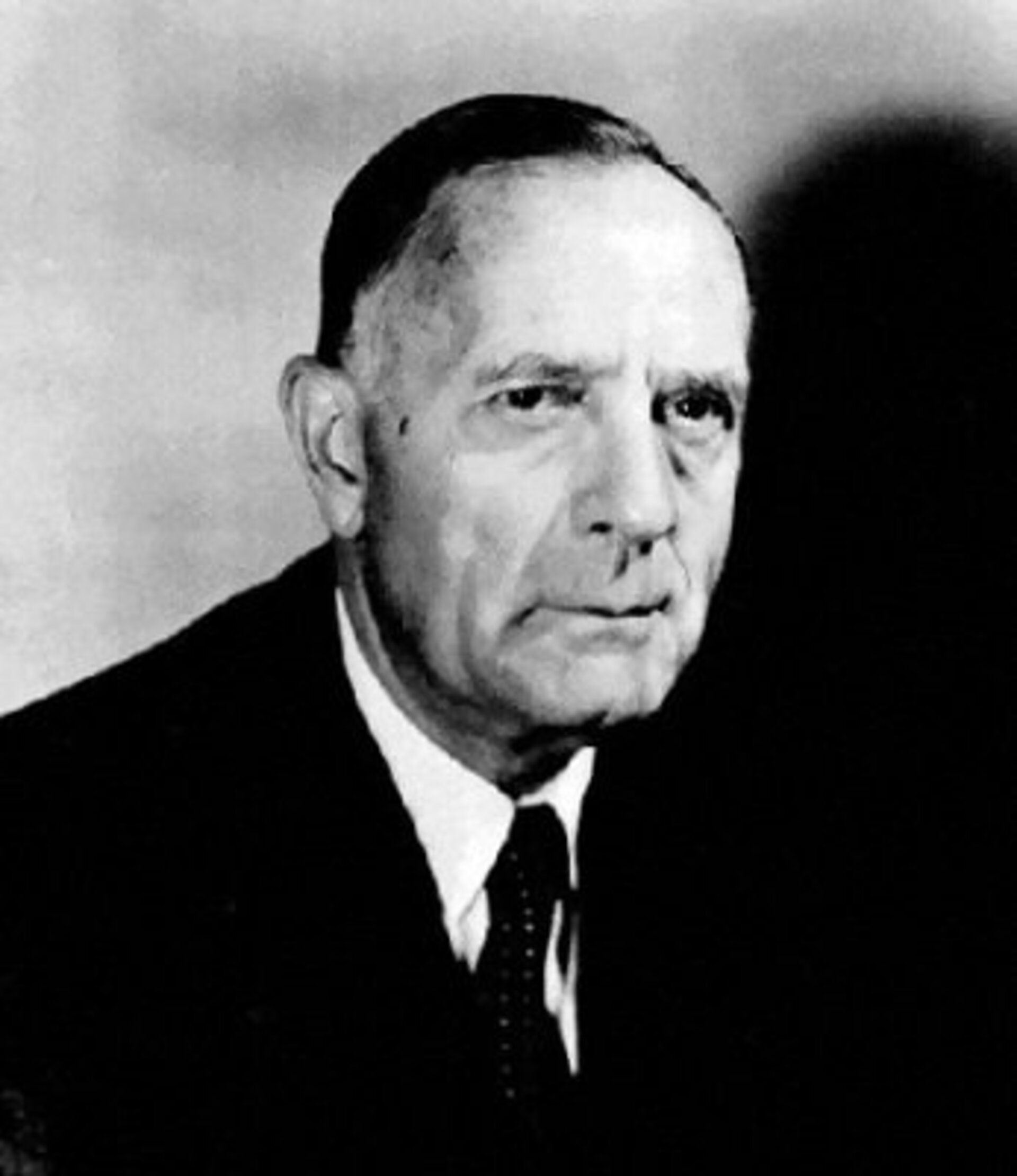
1889: On 20 November 1889, Edwin Powell Hubble was born.
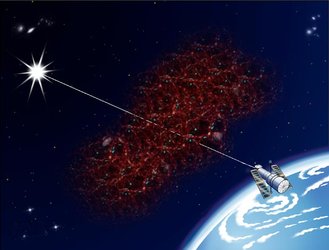
Hubble was an American astronomer who is considered the founder of extragalactic astronomy and who provided the first evidence of the expansion of the Universe.
In 1923-5, he identified Cepheid variables in 'spiral nebulae' M31 and M33 and proved conclusively that they are outside the Milky Way. His investigation of these objects, which he called extragalactic nebulae and which astronomers today call galaxies, led to his now-standard classification system of elliptical, spiral and irregular galaxies, and proved that they are distributed uniformly out to great distances.
Hubble measured distances to galaxies and their red shifts, and in 1929 he published the velocity-distance relation which is the basis of modern cosmology.