The Team behind YPSat-2
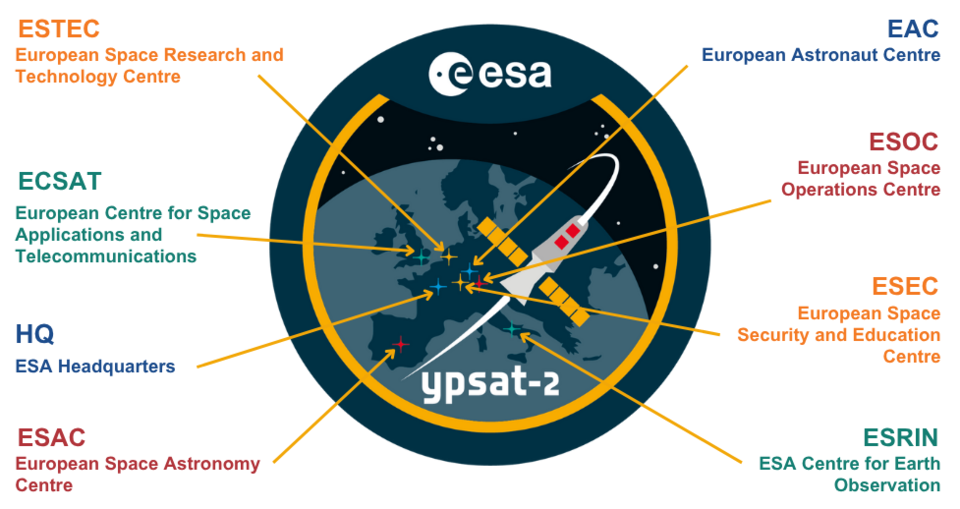
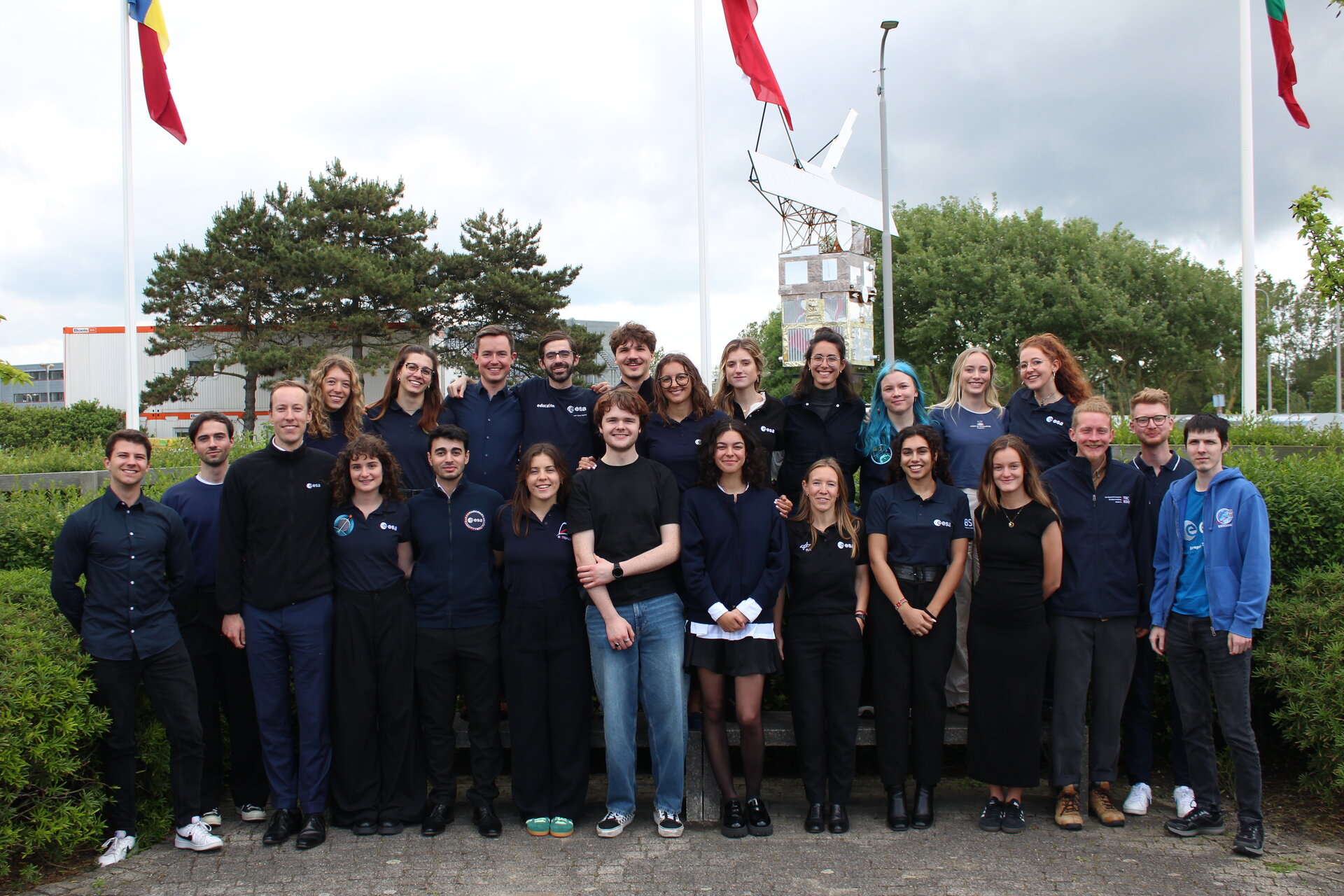
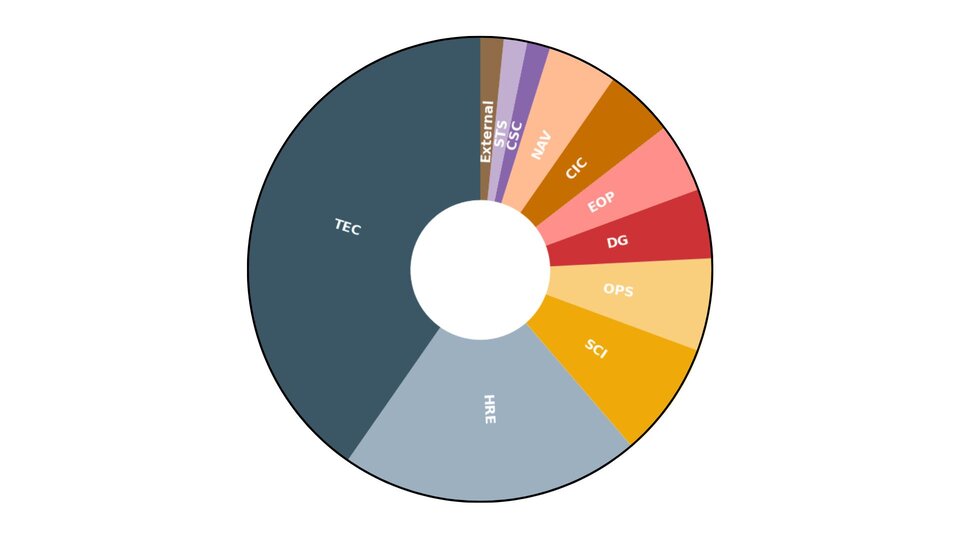
In a time when space exploration demands collaboration, adaptability, and diversity, the Young Professional Satellite 2 (YPSat-2) mission exemplifies the very best of ESA’s emerging talent. Comprising more than 55 young professionals from 11 ESA directorates and 8 ESA sites, YPSat-2 is a powerful representation of the One ESA Vision.
A space mission built by young professionals
The various directorates involved in the mission span key domains of ESA’s work, including Technology (TEC), Operations (OPS), Human and Robotic Exploration (HRE), Earth Observation (EOP), Science (SCI), and more, bringing a full spectrum of engineering and scientific expertise into the mission.
Team members are based at six ESA locations across Europe: ESTEC (Netherlands), ESRIN (Italy), ESOC and EAC (Germany), ECSAT (UK), ESAC (Spain), ESEC (Belgium) and ESA Headquarters (France). This distributed structure reflects ESA’s multinational reach and its culture of cross-border collaboration.
“The YPSat-2 team is truly exceptional. The passion, determination, and relentless effort each Young Professional brings to the table is a shining example for ESA and the worldwide space community.” – YPSat-2 Team Lead
United by curiosity, driven by diversity
The YPSat-2 team reflects ESA’s commitment to inclusion. With over 19 nationalities and gender neutrality (>50% women), the team brings together a wide range of cultural and professional perspectives. Members include Young Graduate Trainees, National Trainees, Internal Research Fellows, interns, and more.
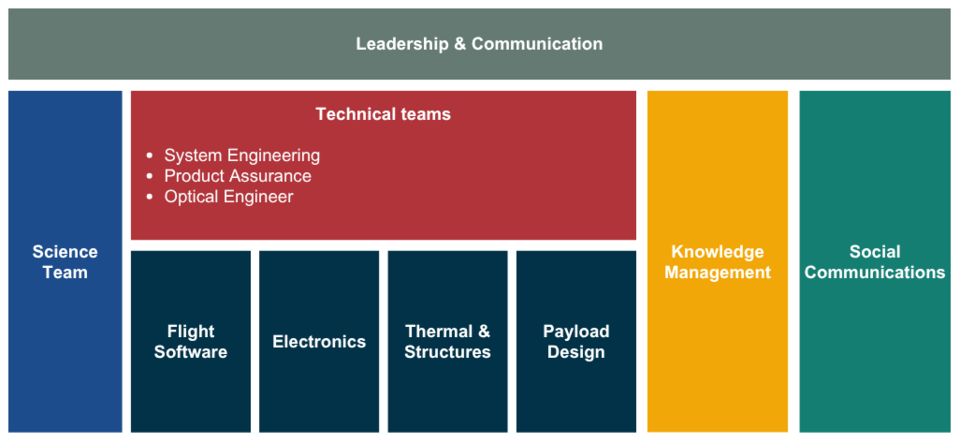
The project is structured into several collaborative subsystems, each dedicated to a specific domain. These include the science team; a range of technical teams covering systems engineering, product assurance, and optical engineering; and specialised groups for flight software, electronics, thermal and structural systems, and payload design. Additional teams focus on knowledge management and public communication, ensuring that project information is well-organised, accessible, and effectively shared with the public. All subsystems operate under a unifying layer of leadership and communication, enabling cohesive coordination across the project. Each subsystem contributes to a different facet of the mission, working together towards a common goal.
YPSat-2 follows the legacy of its predecessor, YPSat-1, with a bold vision: developing a complex scientific payload for ESA’s first reusable spacecraft, Space Rider, set to launch in late 2027.
“What makes our mission so unique is its blend of autonomy and mentorship. We lead the project, but we’re never alone.” – YPSat-2 member
Working together with external partners
In addition to the support from ESA’s internal resources, specially from the ESA Education Office, YPSat-2 thrives thanks to a strong network of external academic and research partners. These collaborations provide access to advanced laboratory facilities, scientific expertise, and educational synergy.
- Politecnico di Torino (Italy) brings experience in biomedical research and has been instrumental in shaping the cardiovascular experiment AIM.
- ISAE-SUPAERO (France) offers engineering know-how and educational support, hosting a master’s student dedicated to the AIM science team.
- Donostia International Physics Centre (Spain) and Université Claude Bernard Lyon (France) supported LEOrigin, the second proposed payload, now on hold due to funding and workload constraints, by contributing scientific expertise and providing laboratory access for astrobiology research.