Artemis II
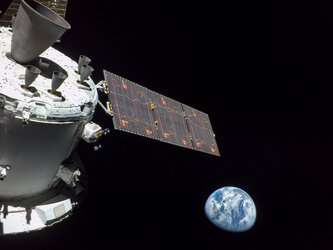
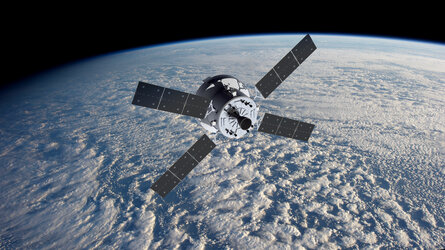
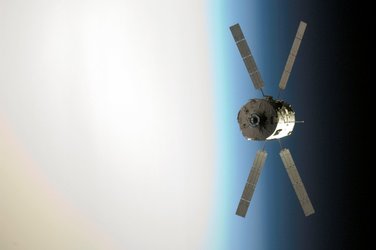
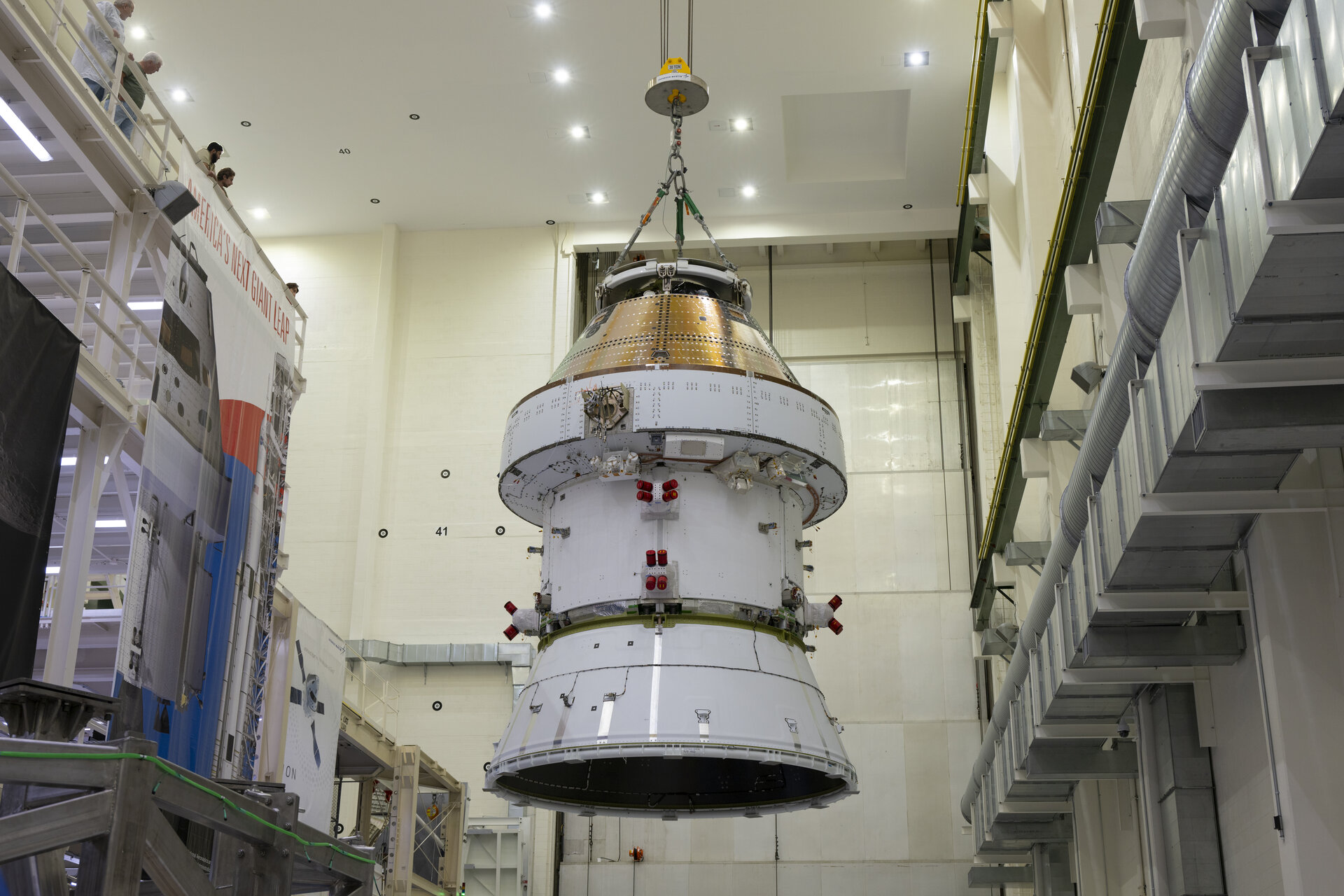
Artemis II will be the first crewed mission of the Artemis programme, carrying four astronauts on a journey around the Moon and back to Earth for the first time in over half a century. At the heart of this historic mission is ESA’s European Service Module, which provides the Orion spacecraft and its crew with life support, power and propulsion, enabling safe human travel beyond Earth orbit.
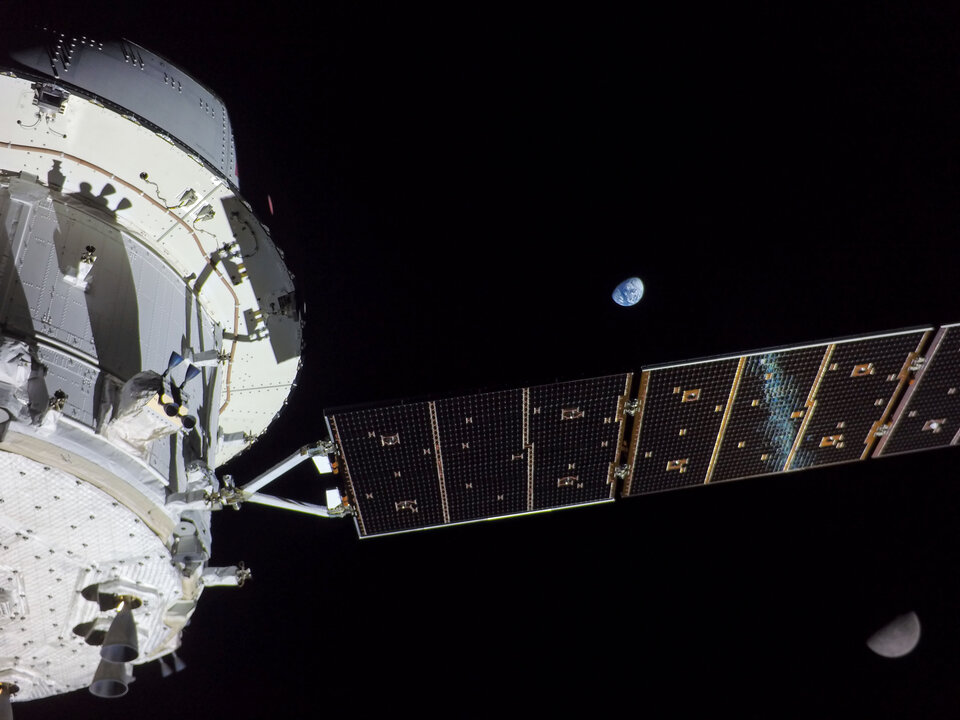
Following the Artemis I uncrewed test flight, Artemis II will see a crew of four astronauts – NASA astronauts Reid Wiseman, Victor Glover and Christina Koch, and Canadian Space Agency astronaut Jeremy Hansen – complete a different flight path. The Orion spacecraft will orbit Earth several times, then embark on a four-day journey to the Moon, fly around our natural satellite, and return to Earth.
The second Artemis mission builds on the first, continuing to test the capabilities of the Orion spacecraft and its European Service Module, now fitted with life support systems to keep the crew safe and healthy.

By April 2026, NASA’s Space Launch System (SLS) rocket will launch the second Orion spacecraft from the Kennedy Space Center in Florida, US. After reaching Earth orbit, the rocket’s upper stage will boost Orion into a highly elliptical orbit, where the crew and mission teams will verify that all systems are performing as expected.
During this phase, astronauts will also take manual control of the spacecraft to conduct a proximity operations demonstration with Orion using the European Service Module’s engines. These capabilities will play a critical role in future Artemis missions, particularly in delivering and positioning Gateway elements such as ESA’s Lunar I-Hab module.
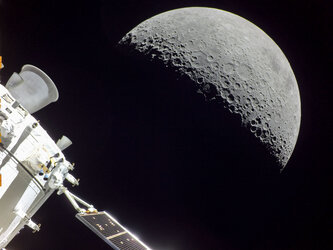
Once all checks and demonstrations have been completed, the second European Service Module will give the Orion spacecraft the final push to enter lunar orbit, flying almost 7500 km beyond the Moon and swinging around it before coming back home on a safe, free-return trajectory.

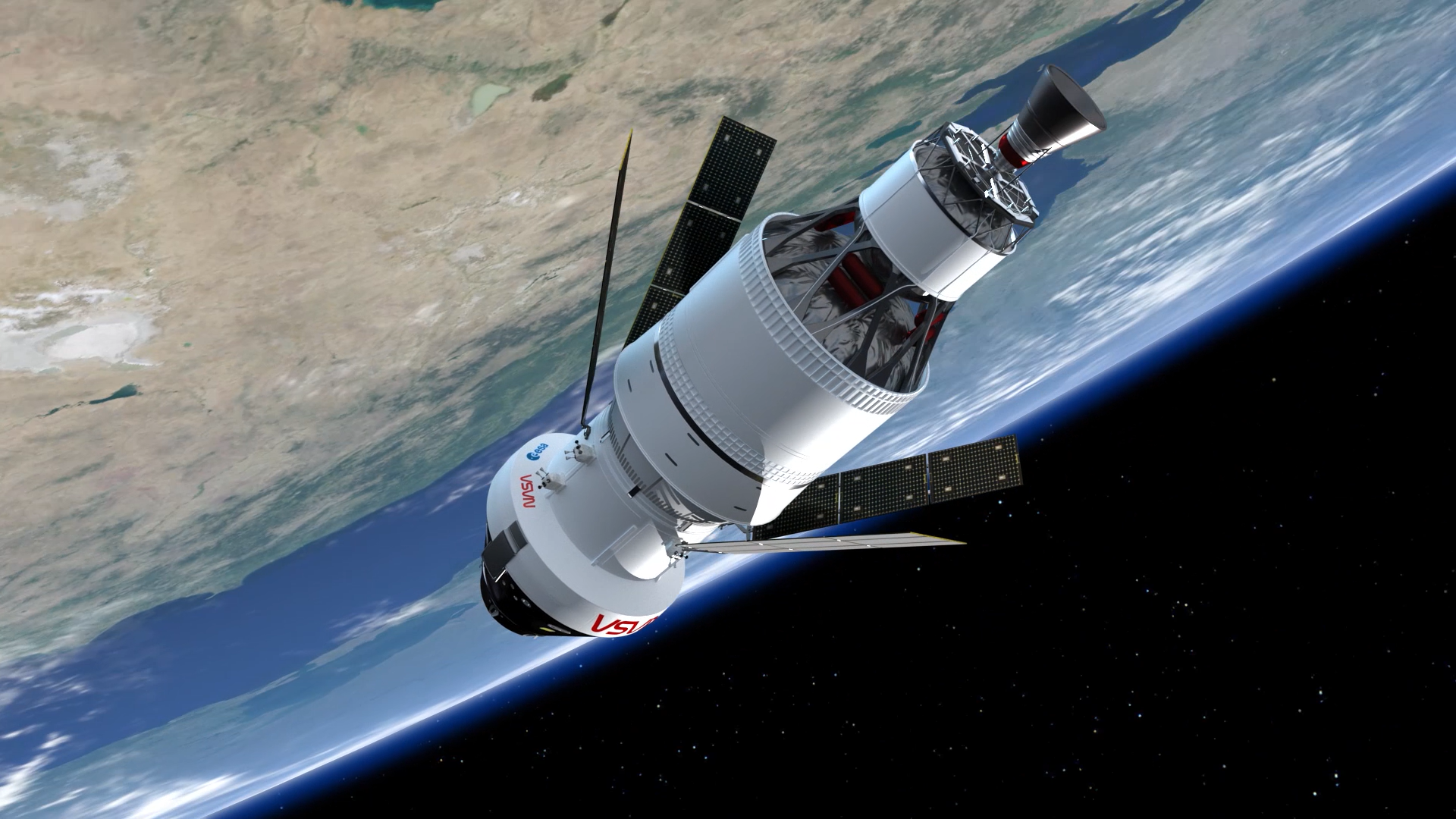
Access the video
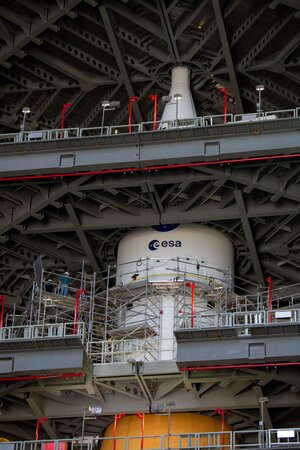
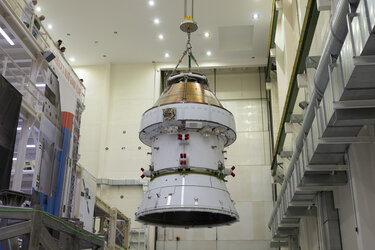
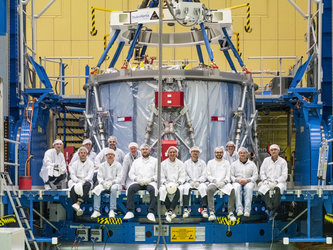
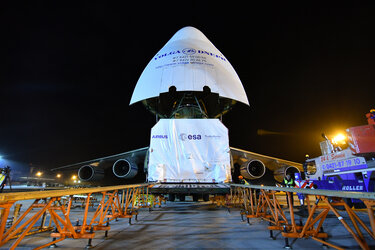
Our second European Service Module is the result of a major industrial collaboration over many years. Now integrated with Orion and stacked on top of the Space Launch System rocket, it is ready to power Artemis II.
See here all latest Artemis II imagery.
Technical details

Launch: April 2026
Duration: 10 days
Launch mass of European Service Module: 13 500 kg
- 8600 kg propellant
- 240 kg drinking water
- 30 kg nitrogen
- 90 kg oxygen
Payload volume: up to 0.57 m3
Payload mass: up to 380 kg

Access the video