• → European Space Agency

      • Space for Europe
      • Space News
      • Space in Images
      • Space in Videos
    • About Us

      • Welcome to ESA
      • DG's News and Views
      • For Member State Delegations
      • Business with ESA
      • ESA Exhibitions
      • ESA Publications
      • Careers at ESA
    • Our Activities

      • Space News
      • Observing the Earth
      • Human Spaceflight
      • Launchers
      • Navigation
      • Space Science
      • Space Engineering
      • Operations
      • Technology
      • Telecommunications & Integrated Applications
    • For Public

    • For Media

    • For Educators

    • For Kids

    • ESA

    • Space Engineering

    • What we do
    • Directorate of Technical and Quality Management (TEC)
    • Electrical
    • Electrical engineering
    • Control Systems
    • Data Systems
    • Radio Frequency Payload Systems
    • Electromagnetics and Space Environment
    • Power and Energy Conversion
    • Mechanical
    • Mechanical engineering
    • Thermal Control
    • Structures and Mechanisms
    • Mechatronics and Optics, incl. robotics and life support
    • Propulsion and Aerothermodynamics
    • Systems
    • Systems and software engineering
    • Software Systems
    • Systems Engineering, incl. cost engineering
    • Technology programmes
    • Product Assurance
    • Product Assurance
    • Flight Safety
    • Dependability
    • Quality Management and Assurance
    • Materials and Processes
    • Electronic Components
    • Software Product Assurance
    • Standards
    • Requirements and standards
    • European Cooperation for Space Standardization (ECSS)
    • European Space Components Coordination (ESCC)
    • Services
    • ESA calendar of events
    • Subscribe

    ESA > Our Activities > Space Engineering

    Electrical component

    Electrical engineering

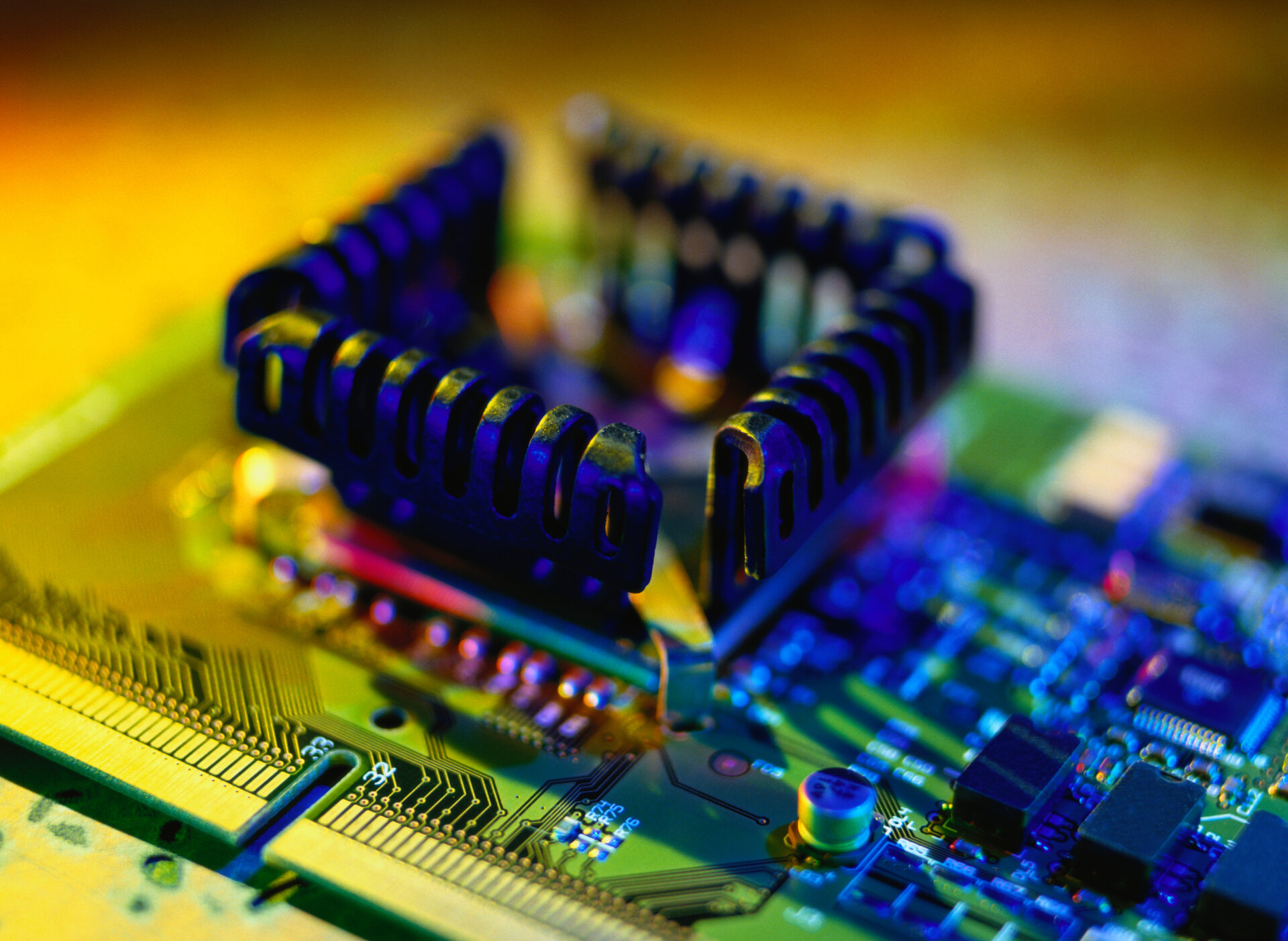
    All spacecraft systems rely directly on electrical energy to activate and control them: Without electrical power, a satellite becomes nothing more than an inert piece of space junk.

    The challenge of electrical engineering for space is that, apart from a few manned missions, all electrical systems must operate for sustained periods of time - sometimes up to 15 or 18 years - without any maintenance in the hostile environment of space.

    To put this requirement in perspective, think how long a television set or a mobile phone lasts these days… For manned missions, where maintenance is at least partly possible, there is the additional issue of ensuring safety of life.

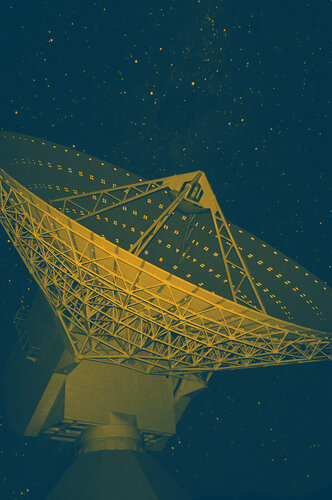
    Key systems requiring electrical engineering on board a satellite - apart from the power supply itself based in most cases on solar arrays supported by batteries - are the intelligence of the satellite located in its processor and associated memory, the complex attitude control system with all its sensors and actuators, the telecommunication system exchanging commands and signals with the ground, including its antennas, and often a navigation system to precisely control the satellite’s position in space.

    Most often a satellite’s scientific or commercial payload is also fully dependent on electrical power whether it be a radar, an altimeter, a sounder, a telescope or simply communication amplifiers for direct TV broadcasting.

    Related engineering skills required, - apart from the design skills needed for all the elements mentioned above - also include a detailed understanding of varied facets of the space environment. These include radiation, cosmic rays, electrostatic charging and plasma effects as well as electromagnetic compatibility between electrical equipment, but also the effects of the terrestrial atmosphere and surface environment on the propagation of electromagnetic waves. ESTEC's 200-strong Electrical Engineering group provides support to ESA projects across these fields and also performs research and development to develop electrical technologies to enable future missions and anticipate their requirements.

    Last update: 22 April 2010

    Rate this

    Views

    Share

    • Currently 0 out of 5 Stars.
    • 1
    • 2
    • 3
    • 4
    • 5
    Rating: 0/5 (0 votes cast)

    Thank you for rating!

    You have already rated this page, you can only rate it once!

    Your rating has been changed, thanks for rating!

    271
    facebook
    twitter
    reddit
    google plus
    digg
    tumbler
    digg
    blogger
    myspace
    • Laboratory
    • Electrical
    • Learn more about...
    • Microelectronics
    • Onboard Computer and Data Handling
    • On-board Data Processing
    • Space Environment
    • SpaceWire
    • RF Payload Systems

    Connect with us

    • RSS
    • Youtube
    • Twitter
    • Flickr
    • Google Buzz
    • Subscribe
    • App Store
    • LATEST ARTICLES
    • · CryoSat hits land
    • · Ariane 5 completes seven launches …
    • · Measuring skull pressure without t…
    • · Malargüe station inauguration
    • · The solar wind is swirly
    • FAQ

    • Jobs at ESA

    • Site Map

    • Contacts

    • Terms and conditions