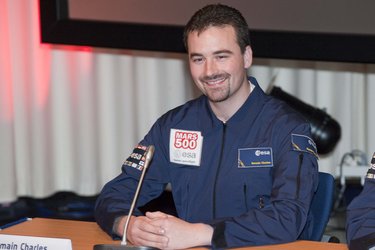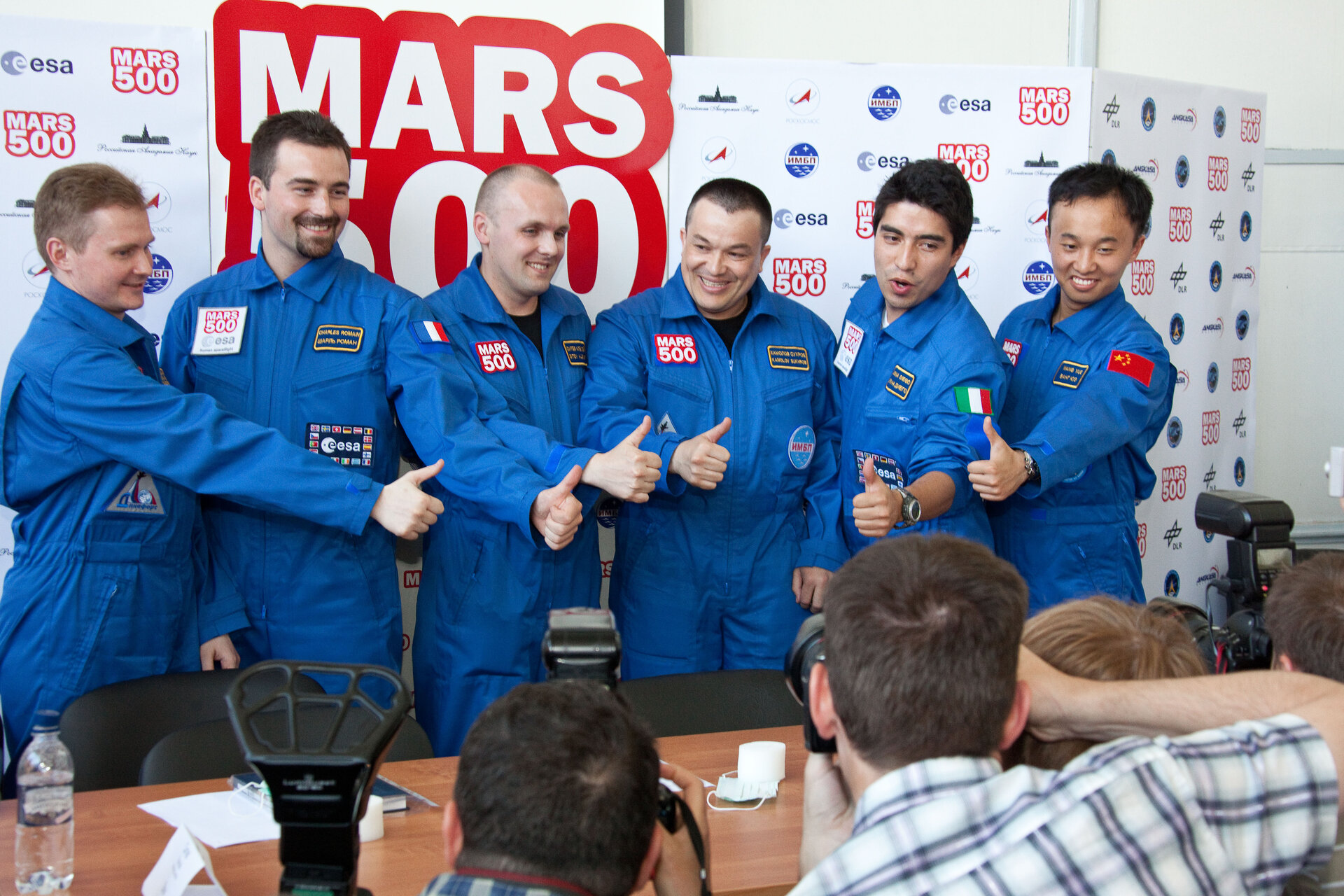
Mars500: study overview
Human exploration of our Solar System is an important focus for ESA. The Agency has started on the path to making this a reality. Making sure that our astronauts are prepared mentally and physically for the demands of long exploration missions is imperative to a mission’s success.
In light of this, ESA undertook a cooperative project with the Russian Institute for Biomedical Problems (IBMP) in Moscow, called Mars500.
ESA’s Directorate of Human Spaceflight has a long tradition of conducting research on the physiological and psychological aspects of spaceflight. ESA’s bedrest studies, in particular, are at the forefront of scientific research to understand how the human body reacts under weightless conditions, in order to devise effective countermeasures and enable humans to undertake long missions in space effectively. Mars500 is part of these scientific efforts to prepare for human exploration missions.
When preparing for long space missions beyond the six-month range undertaken by Expedition crews on the International Space Station (ISS), medical and psychological aspects become an issue of major importance.
When contemplating missions beyond Low Earth Orbit, such as to the Moon and Mars, daily crew life and operational capabilities may be affected by the hazardous space environment, the need for full autonomy and resourcefulness, the isolation, the interaction with fellow crewmembers and other aspects.

A better understanding of these aspects is essential for development of the elements necessary for an exploration mission. Whereas research onboard the ISS is essential for answering questions concerning the possible impact of weightlessness, radiation and other space-specific factors, other aspects such as the effect of long-term isolation and confinement can be more appropriately addressed via ground-based simulations.
The purpose of the Mars500 study is to gather data, knowledge and experience to help prepare for a real mission to Mars. Obviously there has not been effect of weightlessness, but the study is helping to determine key psychological and physiological effects of being in such an enclosed environment for such an extended period of time.
The participants act as subjects in scientific investigations to assess the effect that isolation has on various psychological and physiological aspects, such as stress, hormone regulation and immunity, sleep quality, mood and the effectiveness of dietary supplements.
The knowledge gained during the study is invaluable in providing the basis for the potential development of countermeasures to deal with any unwanted side effects of such a mission, and also to help in astronaut selection procedures, and at a modest expense.
On the European side, the Mars500 programme was financed from the European Programme for Life and Physical Sciences in Space (ELIPS) and involves scientists from across Europe.
Life in the isolation chamber
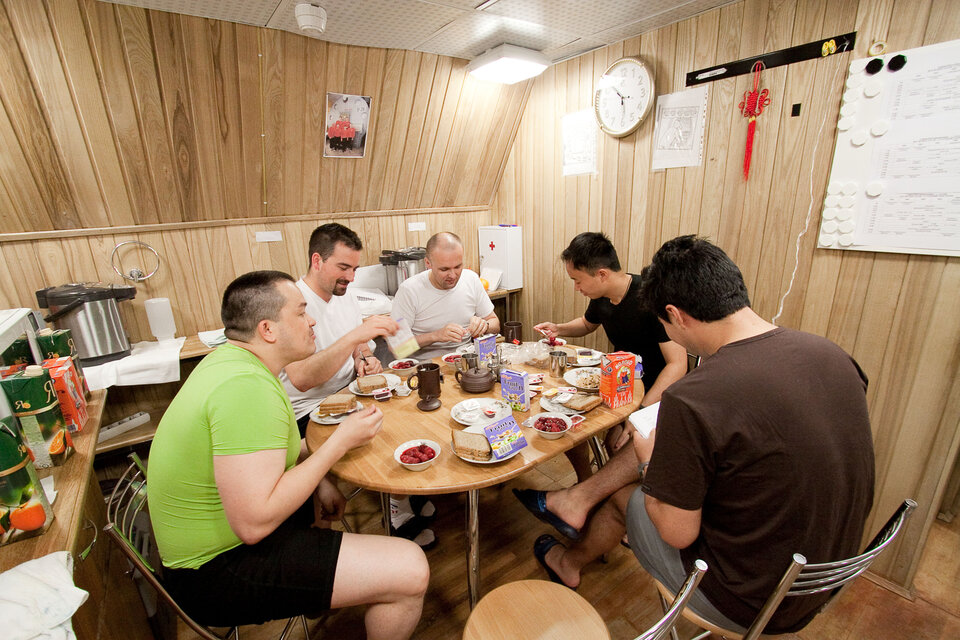
In order to simulate a mission to Mars, six candidates (three Russian, two European and one Chinese) were sealed in an isolation chamber in June 2010. This group was chosen to encompass working experience in many fields, including medicine, engineering, biology and computer engineering.
Part of the chamber simulated the spacecraft that would transport them on their journey to and from Mars and another part simulated the landing module that would transfer them to and from the martian surface.
Following the completion of an initial 105-day isolation period in 2009, a full 520-day study was started in June 2010. Candidates for this test began their mission training in February 2010 and the end of the isolation period was 4 November 2011.

Sealed in the chamber, the candidates had only personal contact with each other plus voice contact with a simulated control centre and family and friends as would normally happen in a human spaceflight mission. A 20-minute delay was built into communications with the control centre to simulate an interplanetary mission and the crew was given almost an identical diet to that used for the International Space Station.
As with a human spaceflight mission, the crew was free to take certain personal items, and they were supplied with books, films, personal laptops and can occupy themselves with physical exercise or their own studies.
During the isolation period the candidates simulated all elements of the Mars mission, travelling to Mars, orbiting the planet, landing and return to Earth.
The crew was responsible for monitoring and maintaining the health and psychological states of themselves and each other as well as monitoring and controlling and maintaining systems, including life support, control resource consumption. During the mission the crew carried out standard and non-standard cleaning and maintenance, as well as fulfilling scientific investigations.

A 7-day week was put in place with two days off and a rotational system was put in place for night shifts. Non-standard and emergency situations were simulated to determine the effect of a decrease in work capability, sickness, and also failures of the onboard systems and equipment.
During 'Mars surface operations' the crew was divided into two groups of three people each. Once the first group 'descended' to the martian surface, the hatch between the martian simulation module and the rest of the facility was closed by the second group and was opened again only when the Mars surface stay simulation ended.