Cosmic Vision 2015-2025: and the candidate missions are...
The first steps of the next great phase of European space science have been taken! At its meeting held on 17-18 October 2007 in Paris, ESA’s Space Science Advisory Committee (SSAC) selected the new candidates for possible future scientific missions.
"It has been an arduous process both inside ESA and in the community to get these winning groups into what I suppose can be said to be the quarterfinals of one of the ultimate competitions in world space science,” said ESA’s Director of Science, David Southwood. “We can now get glimpses of the future and it is going to be exciting!"
From a list of 50 proposals submitted by the scientific community last summer, the candidates which have made it to the next phase of selection are:
Solar System
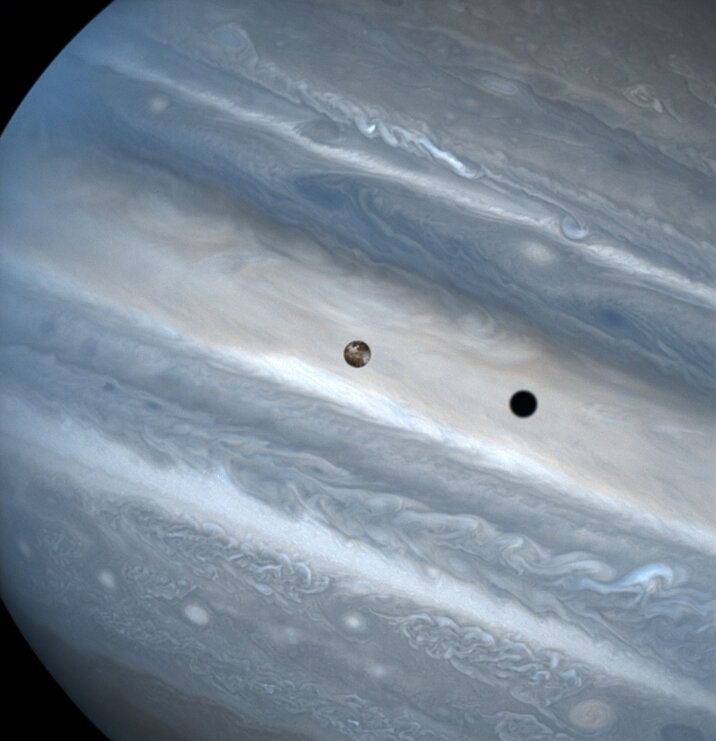
Laplace, studying the Jovian system
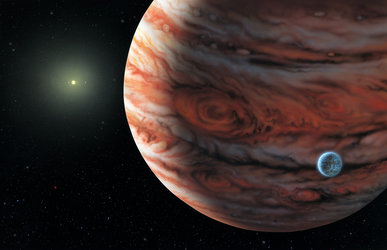
The Jovian System, with Jupiter and its moons, is a small planetary system in its own right. Unique among the moons, Europa is believed to shelter an ocean between its geodynamically active icy crust and its silicate mantle. The proposed mission would answer questions on habitability of Europa and of the Jovian system in relation to the formation of the Jovian satellites and to the workings of the Jovian system itself. The mission will deploy three orbiting platforms to perform coordinated observations of Europa, the Jovian satellites, Jupiter’s magnetosphere and its atmosphere and interior.
If approved, the mission would be implemented in collaboration with JAXA, the Japanese aerospace exploration agency, and NASA.
Tandem, a new mission to Saturn, Titan and Enceladus
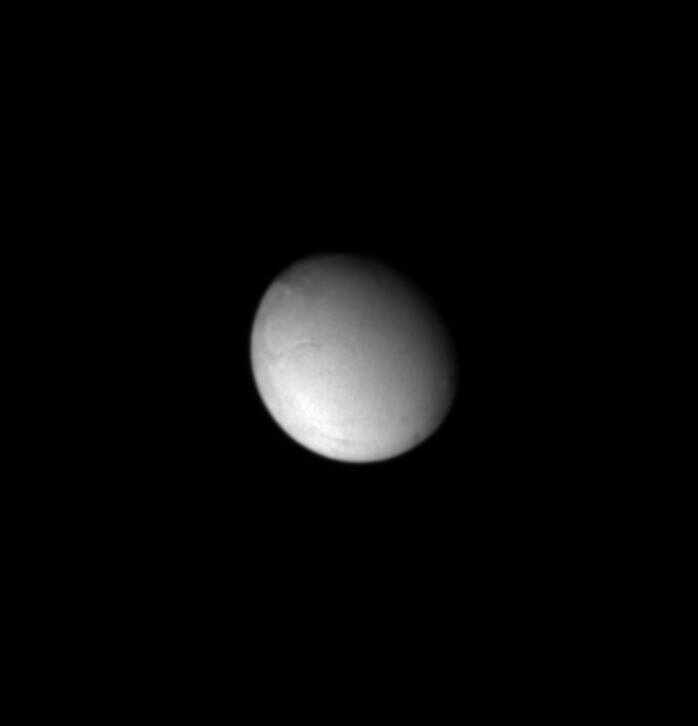
Tandem has been proposed to explore two of Saturn's satellites (Titan and Enceladus) in-situ and from orbit. Building on questions raised by Cassini, the mission would investigate the Titan Enceladus systems, their origins, interiors and evolution as well as their astrobiological potential. The mission would carry two spacecraft - an orbiter and a carrier to deliver a balloon and three probes onto Titan.
If approved, the mission would be implemented in collaboration with NASA.
It is expected that a first selection between Laplace or Tandem, i.e. Jupiter or Saturn targets will be made in consultation with foreign partners in the coming years.
Cross-scale, deeper study of near-earth space

Cross-Scale, proposed to employ 12 spacecraft, would make simultaneous measurements of plasma – the gas of charged particles surrounding Earth - on different scales at shocks, reconnection sites, and turbulent regions in near-Earth space. It will address fundamental questions such as how shocks accelerate and heat particles or how magnetic reconnection phenomena generate or convert energy.
If approved, the mission would be implemented in collaboration with JAXA.
Marco Polo, an asteroid sample-return mission

A sample-return mission to a near-earth object, Marco Polo would characterise a near-earth object at multiple scales and return a sample. If approved, the mission would study the origins and evolution of the Solar System, the role of minor bodies in the process, origins and evolution of Earth and of life itself. It would consist of a mother satellite which would carry a lander, sampling devices, reentry capsule as well as instruments.
If approved, the mission would be implemented in collaboration with JAXA.
Astronomy
A dark energy mission
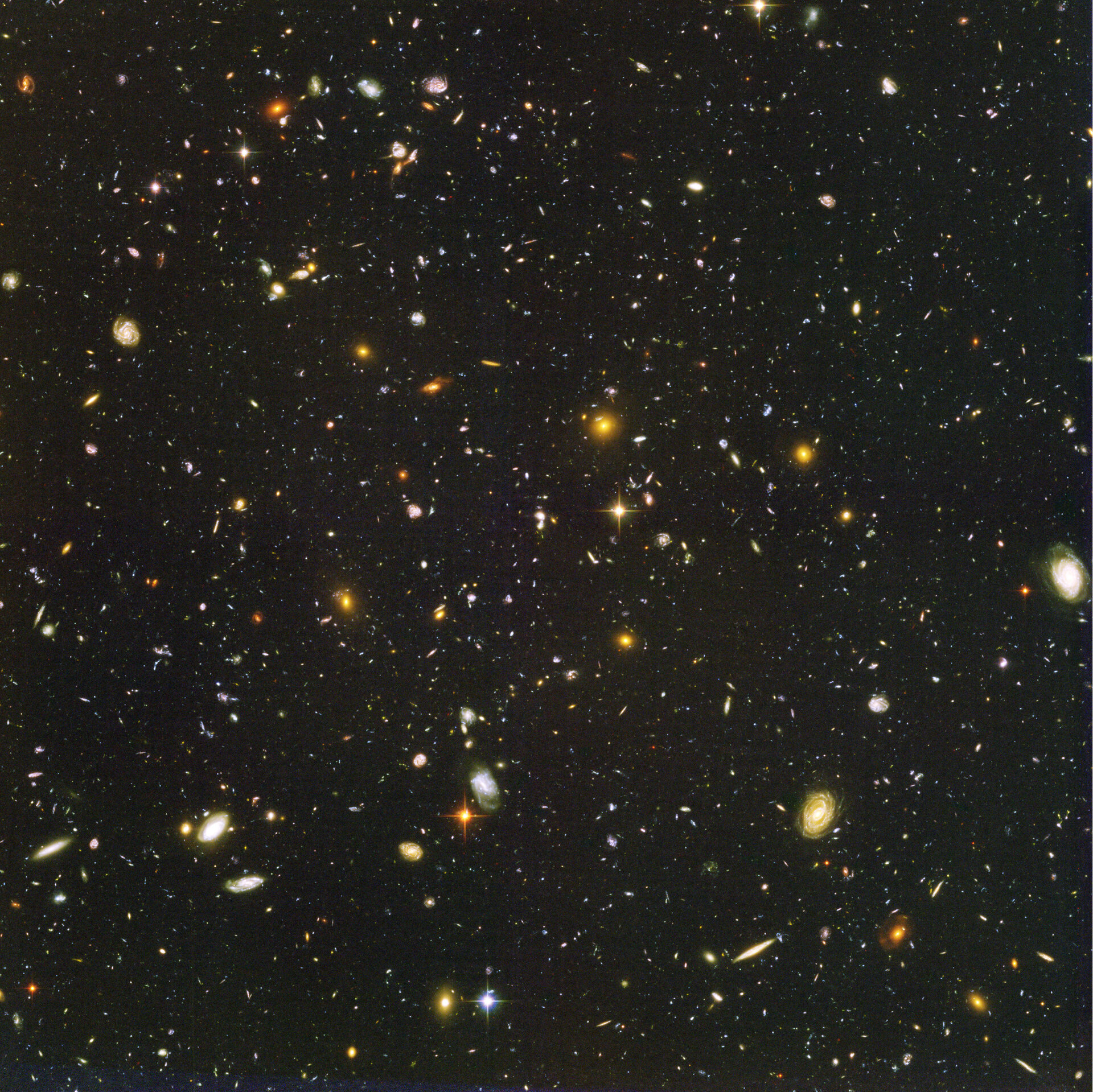
Two proposals have been received (Dune, the dark universe explorer and SPACE, the new near-infrared all-sky cosmic explorer) addressing the study of dark matter and dark energy - a hot topic in astronomy. While they propose to use different techniques (Dune is proposed as a a wide-field imager, while Space is proposed as a near-Infrared all-sky surveyor), they address the same basic science goal. In the follow-up study phase a trade-off will be performed leading to the definition in the spring of next year of a proposal for a European dark energy mission to go forward in competition.
Plato, the new planet finder
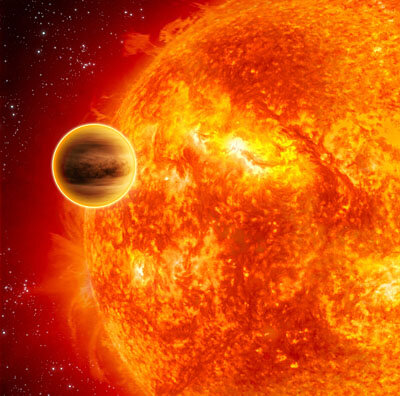
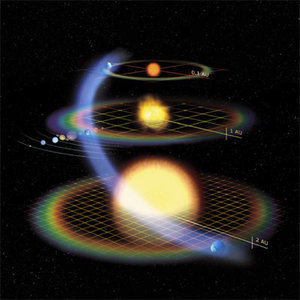
The proposed next-generation planet finder is a photometry mission that will detect and characterise transiting exoplanets as well as measure the seismic oscillations of their parent stars. It will be capable of observing rocky exoplanets around brighter and better characterized stars than its predecessors. Observations of the mission will be complemented by ground- and space-based follow-up observations to derive the planet’s masses and study their atmospheres.
Spica, the next generation infrared observatory

Spica is a proposed medium- and far-infrared observatory with a large-aperture cryogenic telescope. The mission would address planetary formation, the way the solar system works and the origin of the universe. It would perform wide field, high sensitivity photometric mapping at high spatial resolution, spectral analysis as well as coronography of planets and planetary disks.
Spica is proposed in collaboration with the Japanese Aerospace Exploration Agency, JAXA, with ESA providing the telescope and a contribution to the operations.
XEUS, X-ray Evolving Universe Spectroscopy
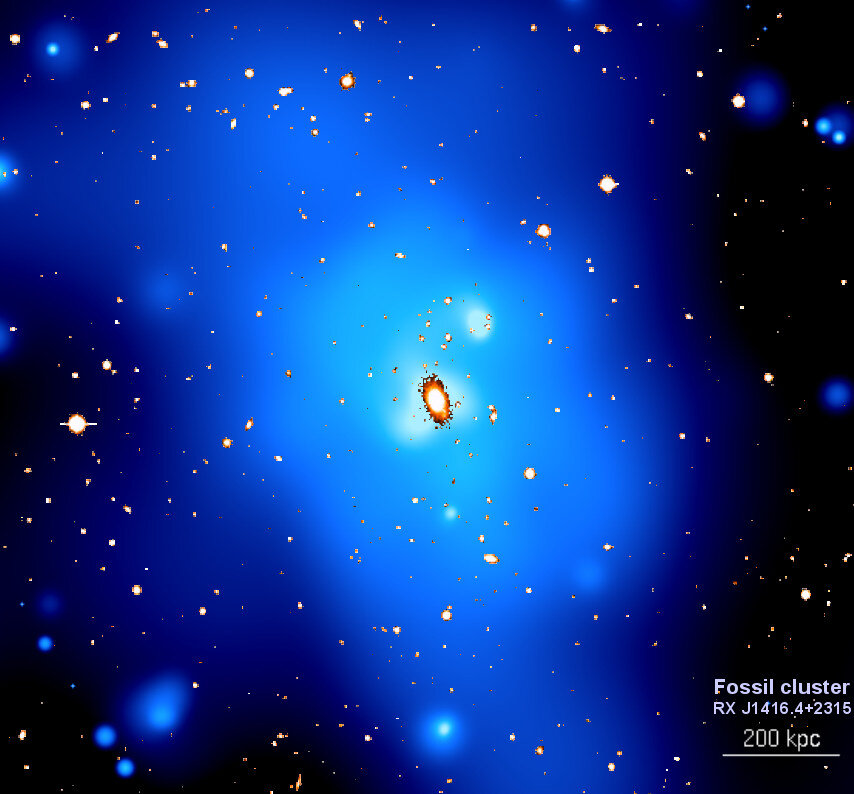
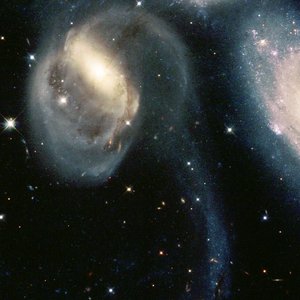
XEUS is a next-generation X-ray space observatory to study the fundamental laws of the Universe and the origins of the universe. With unprecedented sensitivity to the hot, million-degree universe, XEUS would explore key areas of contemporary astrophysics: growth of supermassive black holes, cosmic feedback and galaxy evolution, evolution of large-scale structures, extreme gravity and matter under extreme conditions, the dynamical evolution of cosmic plasmas and cosmic chemistry. XEUS would be stationed in a halo orbit at L2, the second Lagrange point, with two satellites (one mirror satellite and the other a detector satellite) that would fly in formation.
Various international partners have expressed interest in cooperation in XEUS and discussions will start by the end of the year with the interested agencies to ensure the earliest involvement in study work.
All the candidate missions are now competing in an assessment cycle which ends in 2011. Before the end of the cycle, there will be an important selection foreseen in 2009. The candidate missions described here will also compete with the LISA gravitational wave observer, the other candidate for the 2018 launch slot. At the end of this process, two missions will be proposed for implementation to ESA's Science Programme Committee, with launches planned for 2017 and 2018 respectively.
The selected missions fit well within the themes of ESA's Cosmic Vision 2015-2025 plan. The themes range from the conditions for life and planetary formation, to the origin and formation of the Solar System, the fundamental laws of our cosmos and the origin, structure and evolution of the Universe.
“The maturity of most of the proposals received demonstrates the excellence of the scientific community in Europe. This made the task of the SSAC very difficult but we believe that the set of selected missions will shape the future of European space scence,” said Tilman Spohn, chairperson of the SSAC (German Aerospace Center, Berlin). “The next decade will indeed be very exciting for the scientific exploration of space.”
According to the chair of the Astronomy Working Group (AWG), Tommaso Maccacaro, (INAF – Osservatorio Astronomico di Brera) “The chosen candidates for astronomy missions show very promising and broad scientific return and have received excellent recommendations also from external referees.”
“Technical feasibility and potential for successful cooperation with other agencies are two factors which are clearly evident in the Solar System missions that have been chosen,” added Nick Thomas at the Physikalisches Institut, Universität Bern, chair of the Solar System Working Group.
For more information:
Sergio Volonte
ESA Head of Science Planning and Community Coordination Office
Email : Sergio.Volonte @ esa.int