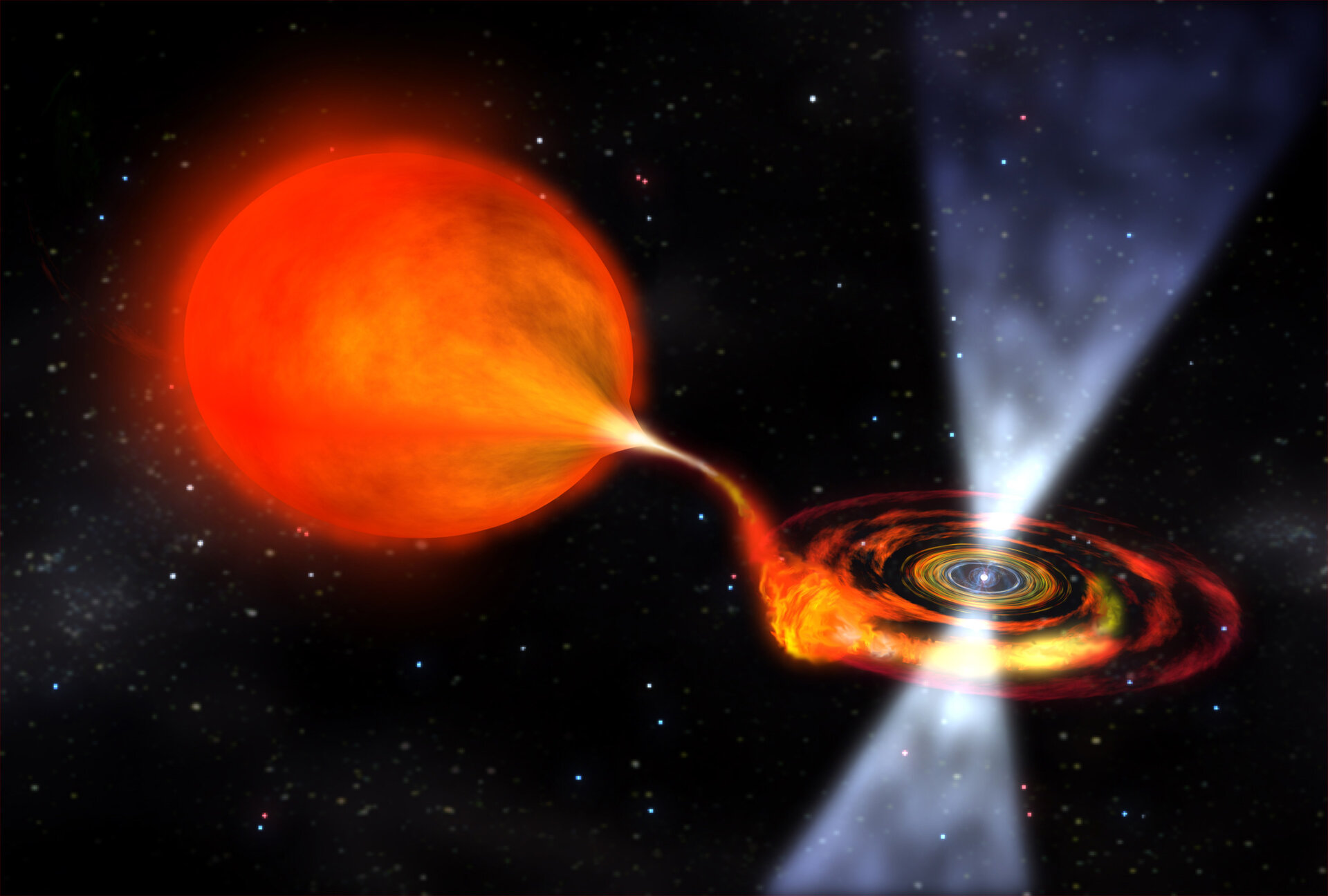
Integral science highlights
The International Gamma-Ray Astrophysics Laboratory (Integral) has provided unprecedented information about the Universe’s most exotic objects. It has revealed how matter behaves under extreme conditions and helped astronomers understand processes such as the formation of new chemical elements and mysterious gamma-ray bursts. These findings have been documented in an impressive, and growing, body of scientific and popular literature.
Some of the key results include:
- Fifteen years of Integral
- Ten years of Integral
- Five years of Integral
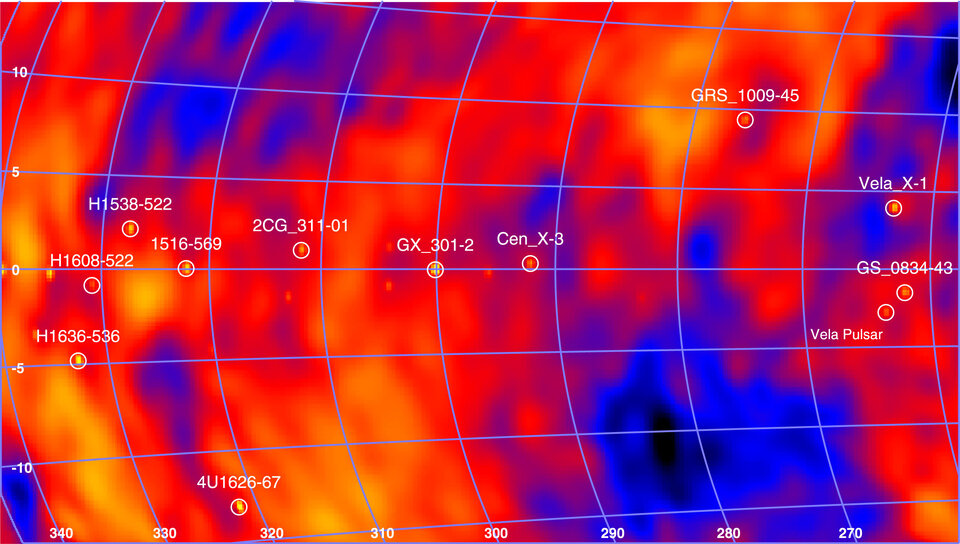
- The discovery of over 700 new hard X-ray sources, doubling the known number of such sources (Krivinos et al., 2022; Bird et al., 2016). The identification and characterisation of over 250 of these sources, including two new classes of high-mass X-ray binaries – the highly obscured systems, and the supergiant fast X-ray ‘transients’. These discoveries quadrupled the number of known high-mass X-ray binaries with blue supergiant donor stars.
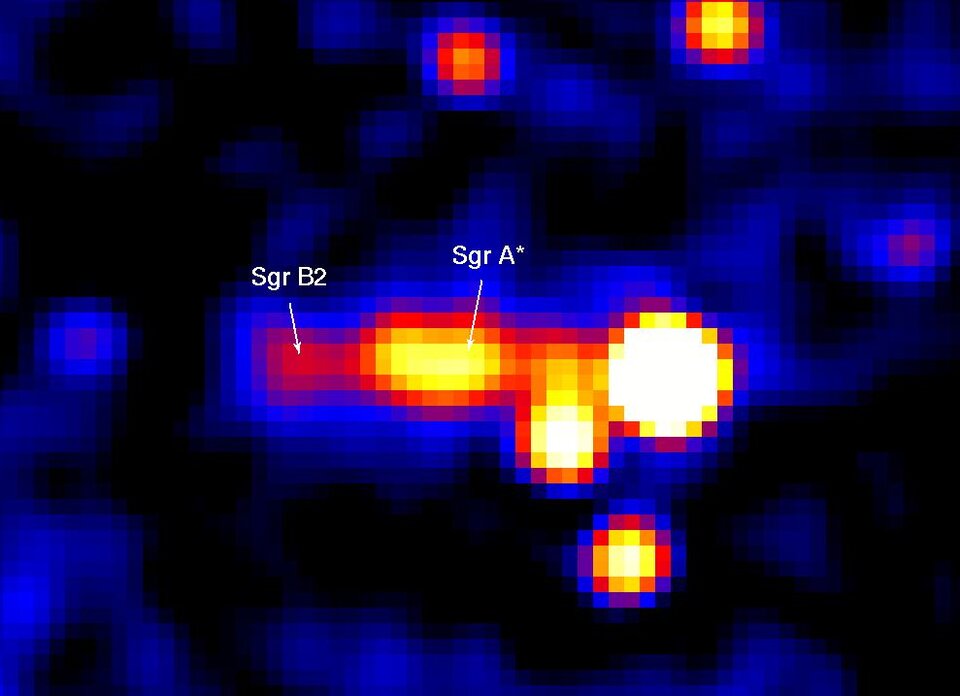
- Conclusively putting to rest a longstanding debate surrounding the origin of the Milky Way’s soft gamma-ray emission by showing that a hundred individual sources account for the entirety of this emission (Lebrun et al., 2004).
- Generating the first large-scale sky map of emission at 511 keV, a wavelength of radiation produced by positron annihilation, showing the presence of large amounts of antimatter in the central parts of our Galaxy (Bouchet et al., 2010; Siegert et al., 2016).
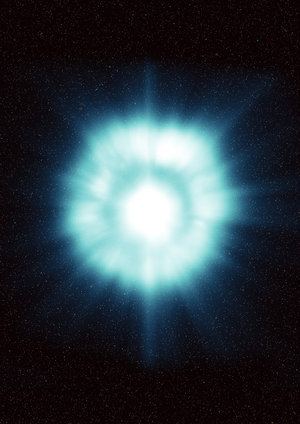
- The first detection of radioactive titanium associated with supernova remnant 1987A (Grebenev et al., 2012), and detection of radioactive cobalt in the spectrum of Type Ia supernova SN 2014J (Churazov et al., 2014).
- Providing proof of the Galaxy-wide origin of radioactive aluminium, from which the current rate of supernovae in the Milky Way can be determined (Kretschmer et al., 2013). Using this data, astrophysicists estimate one supernova every 50 years.
- Making the first measurement that one in four active galaxy nuclei (AGN) is Compton-thick in a complete AGN sample (Malizia et al., 2009). In Compton-thick AGN, the nucleus is obscured by large amounts of gas and dust.
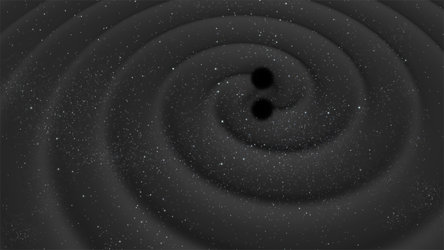
- Discovering the flash of gamma rays linked to the gravitational waves released by the collision of two neutron stars proving the connection between short gamma-ray bursts and double neutron star mergers (Savchenko et al., 2017)
More exciting Integral results written up on the ESA website can be found at the end of this page.