Crater in martian valley Mamers Valles


Crater in Mamers Valles
 
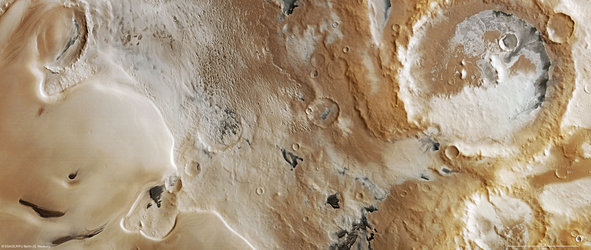
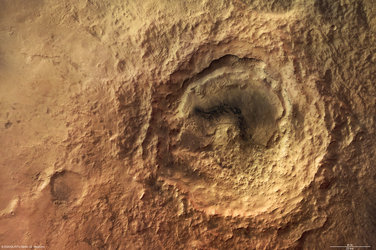
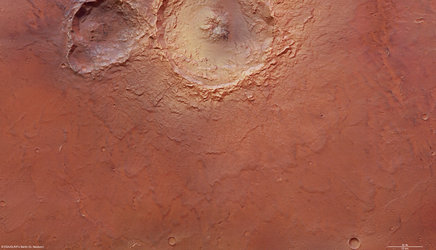
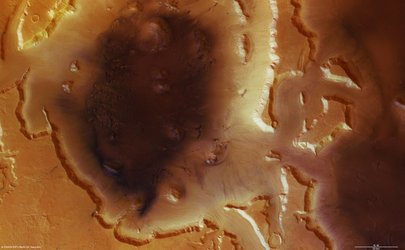
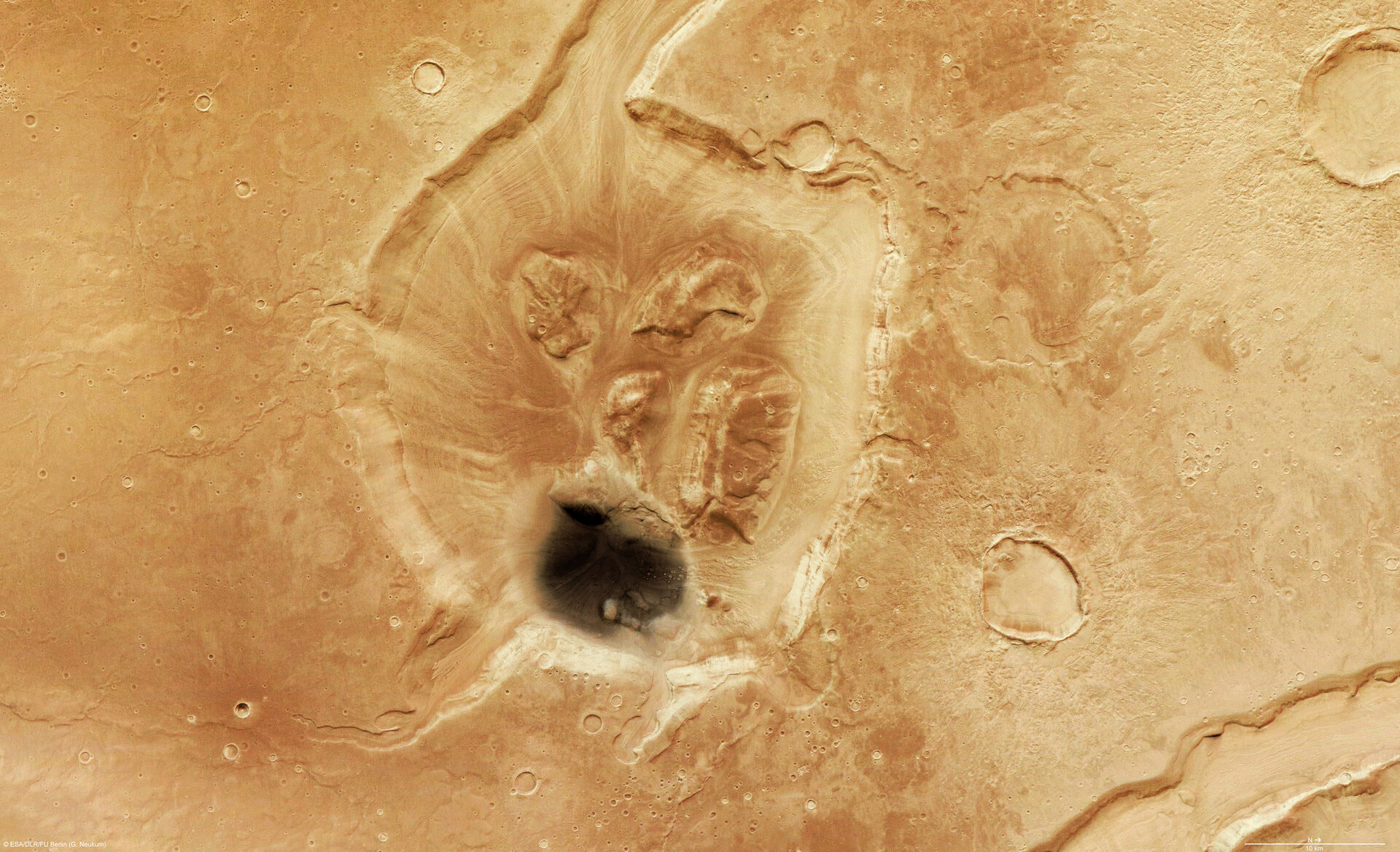
The High-Resolution Stereo Camera (HRSC) onboard the ESA spacecraft Mars Express obtained images focusing on a depression that displays a crater at the end of the long, winding valley, Mamers Valles.

The data was obtained on 5 August 2006 with a ground resolution of approximately 14 m/per pixel. The image is centred at approximately 39° north and 17° east on the planet.

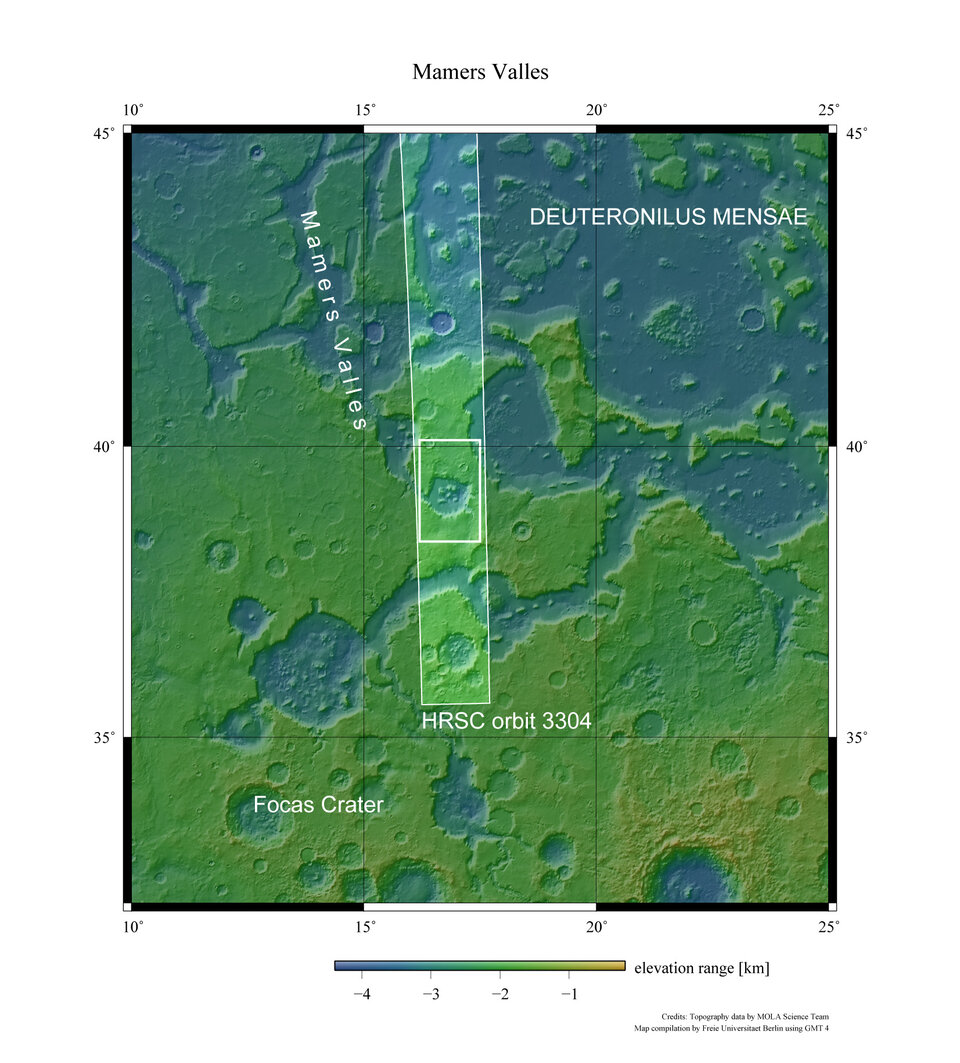
Mamers Valles context map
 
The High-Resolution Stereo Camera (HRSC) onboard the ESA spacecraft Mars Express obtained images focusing on a depression that displays a crater at the end of the long, winding valley, Mamers Valles.

The data was obtained on 5 August 2006 with a ground resolution of approximately 14 m/per pixel. The images are centred at approximately 39° north and 17° east on the planet.

Mamers Valles perspective view
 
The High-Resolution Stereo Camera (HRSC) onboard the ESA spacecraft Mars Express obtained images focusing on a depression that displays a crater at the end of the long, winding valley, Mamers Valles.

The data was obtained on 5 August 2006 with a ground resolution of approximately 14 m/per pixel. The image is centred at approximately 39° north and 17° east on the planet.

Mamers Valles perspective view
 
The High-Resolution Stereo Camera (HRSC) onboard the ESA spacecraft Mars Express obtained images focusing on a depression that displays a crater at the end of the long, winding valley, Mamers Valles.

The data was obtained on 5 August 2006 with a ground resolution of approximately 14 m/per pixel. The image is centred at approximately 39° north and 17° east on the planet.

Mamers Valles nadir view
 
The High-Resolution Stereo Camera (HRSC) onboard the ESA spacecraft Mars Express obtained images focusing on a depression that displays a crater at the end of the long, winding valley, Mamers Valles.

The data was obtained on 5 August 2006 with a ground resolution of approximately 14 m/per pixel. The image is centred at approximately 39° north and 17° east on the planet.

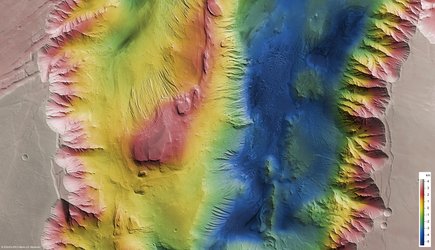
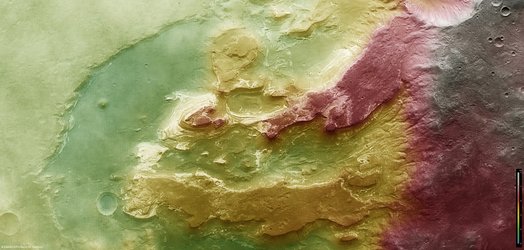
Mamers Valles colour-coded elevation model
 
This is an ortho-image of Mamers Valles.

The HRSC onboard the ESA spacecraft Mars Express obtained images focusing on a depression that displays a crater at the end of the long, winding valley, Mamers Valles. The data was obtained on 5 August 2006 with a ground resolution of approximately 14 m/per pixel. The image is centred at approximately 39° north and 17° east on the planet.

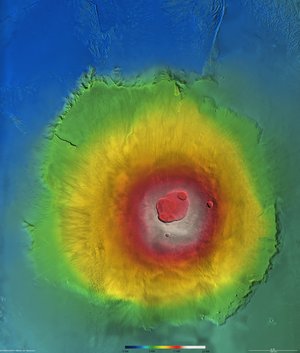
The ortho-image was rectified using elevation data derived from an High-Resolution Stereo Camera (HRSC) -derived high-resolution Digital Terrain Model (DTM) so that distortions introduced during imaging are corrected. Such an image can be used to derive maps. Elevation data from the DTM has been colour-coded and overlain on the ortho-image so that elevation data and the image itself are displayed in a single scene.

The scale is in metres.

Mamers Valles, annotated nadir view
 
The High-Resolution Stereo Camera (HRSC) onboard the ESA spacecraft Mars Express obtained images focusing on a depression that displays a crater at the end of the long, winding valley, Mamers Valles.

The data was obtained on 5 August 2006 with a ground resolution of approximately 14 m/pixel. The image is centred at approximately 39° north and 17° east on the planet.

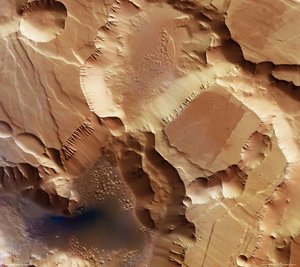
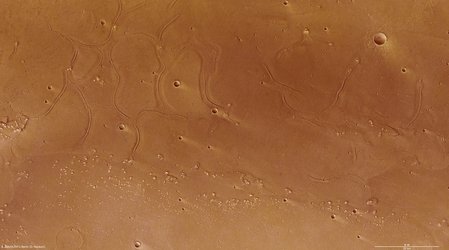
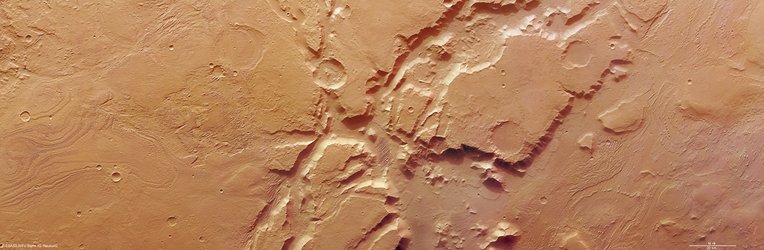
The valley of Mamers Valles is approximately 1000 km long, running along the boundary between the northern lowlands and southern highlands in the region of Deuteronilus Mensae.

Scientists term a region such as Mamers Valles ‘fretted terrain’ because it shows numerous deep and wide labyrinth-like valleys and circular depressions which often show structures formed by flowing liquid on their even floors.

The structures formed by the flows are thought to be ice-rich debris flows. They show some resemblance to block glaciers seen on Earth.

The patches of rock at the centre of the depression are thought to be remnants of rock detached from the flanks of the depression and transported into its centre (2).

The wrinkle ridges (3), as the name indicates, are formed by compressive forces acting on the surface. The dark coloured material inside the crater (4) could have formed formed in-situ or was transported by the wind.

Mamers Valles in 3D
 
The High-Resolution Stereo Camera (HRSC) onboard the ESA spacecraft Mars Express obtained images focusing on a depression that displays a crater at the end of the long, winding valley, Mamers Valles.

The data was obtained on 5 August 2006 with a ground resolution of approximately 14 m/per pixel. The image is centred at approximately 39° north and 17° east on the planet.

This (3D) anaglyph image was calculated from the nadir and one stereo channel. The black and white high-resolution images were derived form the nadir channel which provides the highest level of detail.


Release date: 16 July 2008