Hinode sees the dynamic and violent sun as sharply as never before
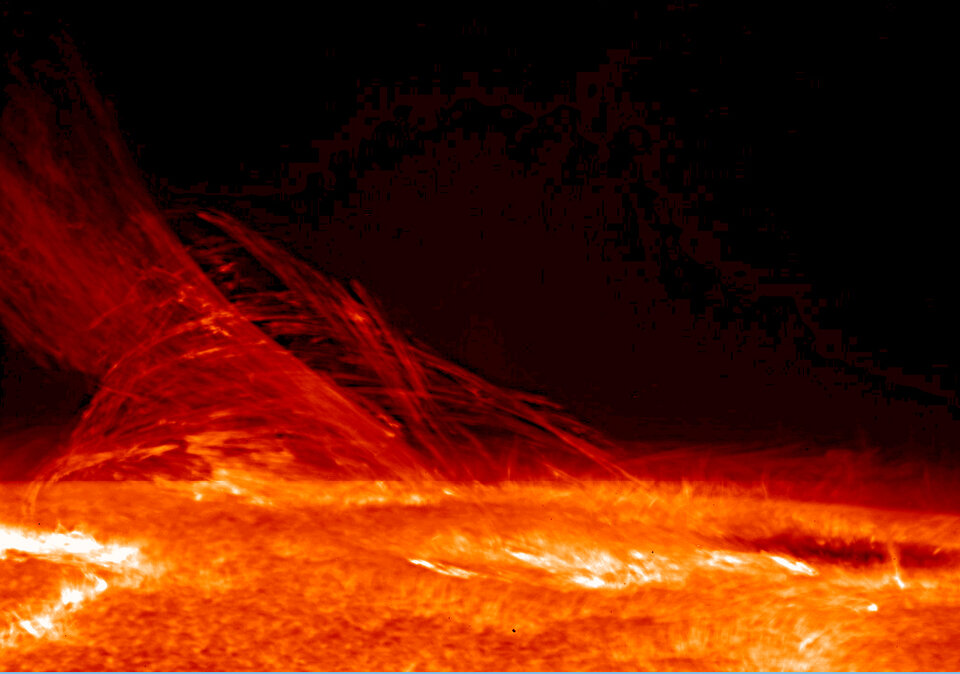
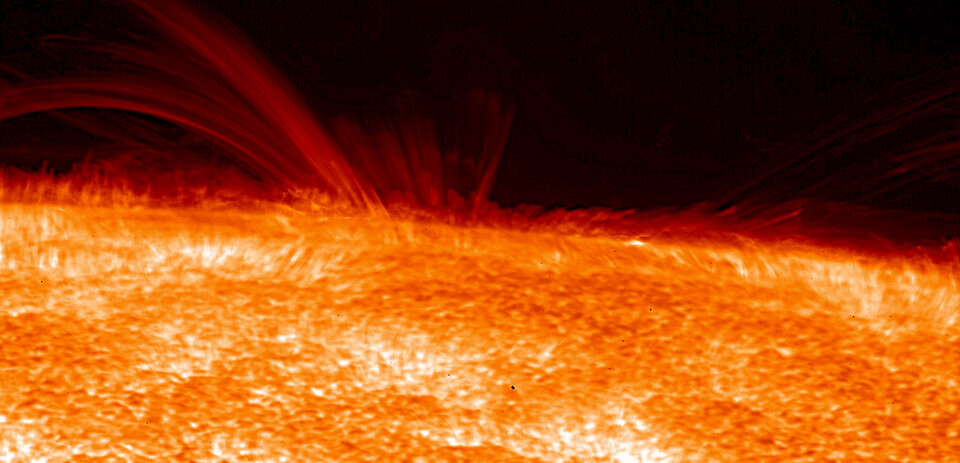
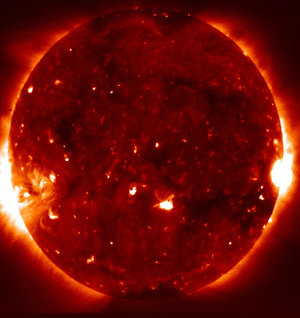
Hinode, the newest solar observatory on the space scene, has obtained never-before-seen images showing that the sun's magnetic field is much more turbulent and dynamic than previously known.
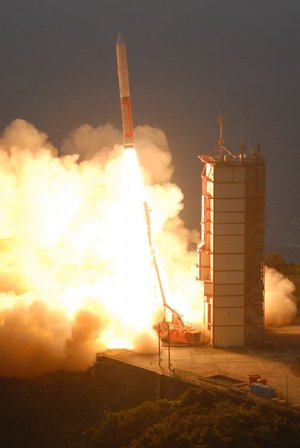
Hinode, Japanese for 'sunrise', was launched on 23 September 2006 to study the sun's magnetic field and how its explosive energy propagates through the different layers of the solar atmosphere.
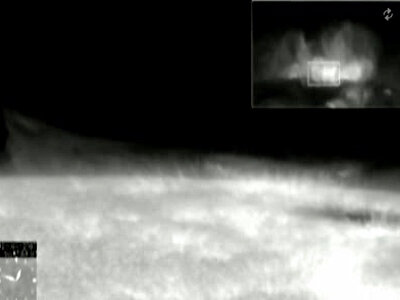
"For the first time, we are now able to make out tiny granules of hot gas that rise and fall in the sun's magnified atmosphere," said Dick Fisher, director of NASA's Heliophysics Division. "These images will open up a new era of study on some of the sun's processes that affect Earth, astronauts, orbiting satellites and the solar system."
Hinode's three primary instruments, the Solar Optical Telescope, the X-ray Telescope and the Extreme Ultraviolet Imaging Spectrometer, are observing the different layers of the sun. Studies focus on the solar atmosphere from the photosphere - the visible surface of the sun, to the corona - the outer atmosphere that extends outward into the solar system.

Thanks to coordinated measurements from the three instruments, Hinode is already showing how changes in the structure of the magnetic field and the release of magnetic energy in the low atmosphere spread outward through the corona and into interplanetary space.
"The release of magnetic energy is at the base of space weather," says Bernhard Fleck, ESA's SOHO and Hinode Project Scientist. "Complementing the SOHO data with those of Hinode will allow us to improve our understanding of the violent processes on the Sun that drive space storms. The synergies between the two missions will clearly boost our space weather forecasting capabilities."

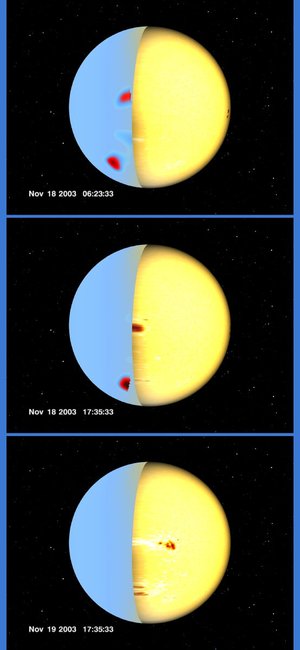
Space weather involves the production of energetic particles and the emissions of electromagnetic radiation. These bursts of energy can black out long-distance communications over entire continents and disrupt the global navigational system.
"Hinode images are revealing irrefutable evidence for the presence of turbulence-driven processes that are bringing magnetic fields, on all scales, to the sun's surface, resulting in an extremely dynamic chromosphere or gaseous envelope around the sun," said Alan Title, a corporate senior fellow at Lockheed Martin, Palo Alto, California, and consulting professor of physics at Stanford University, Stanford, California.
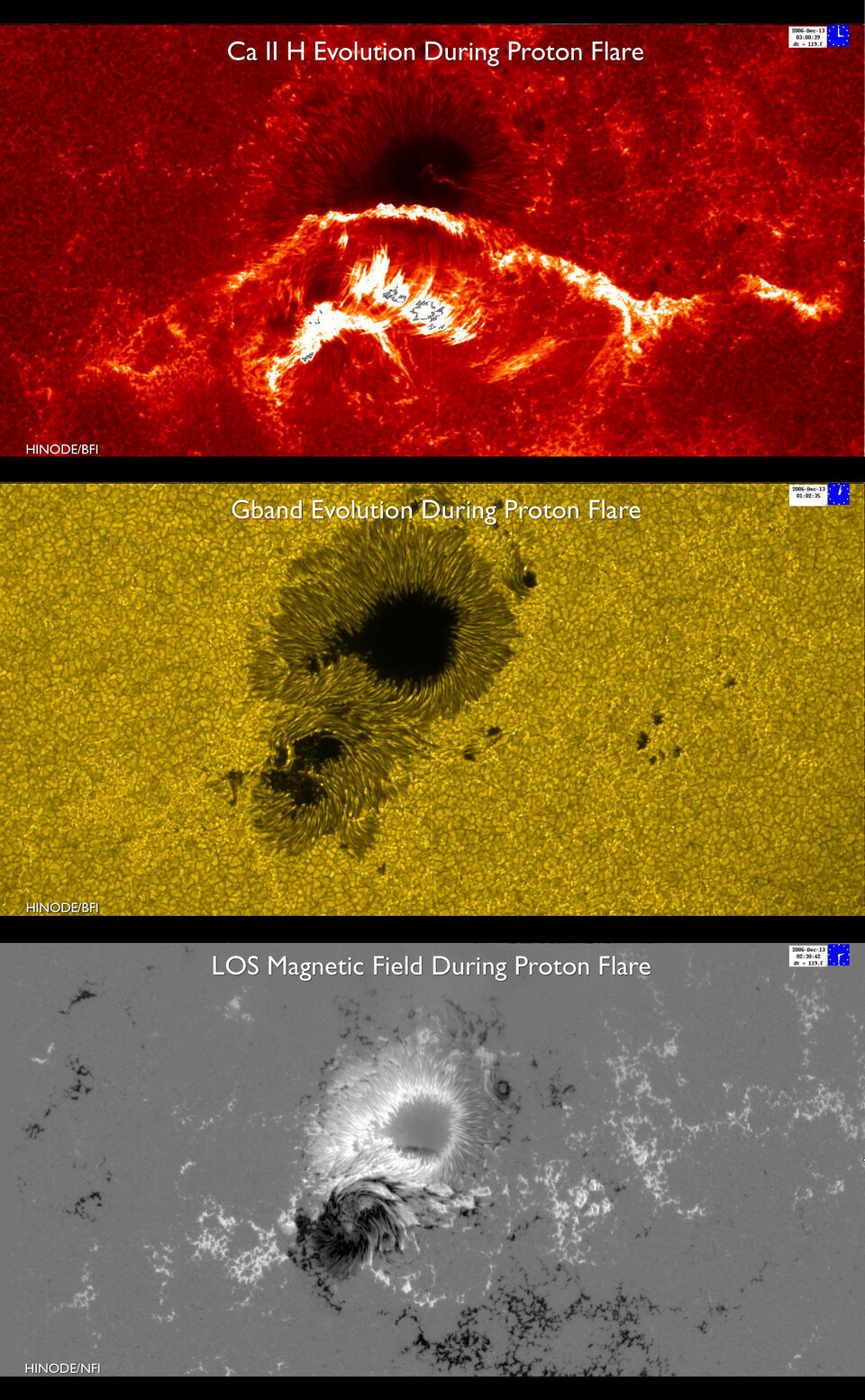
By following the evolution of the solar structures that outline the magnetic field before, during and after these explosive events, scientists hope to find clear evidence to establish that magnetic reconnection – a process whereby magnetic field lines from different magnetic domains are spliced to one another and cause a reconfiguration of the magnetic field - is the underlying cause for this explosive activity.
Note for editors
The Hinode mission, known as 'Solar-B' before launch, is led by the Japan Aerospace Exploration Agency (JAXA), and involves institutes in the United States (coordinated by NASA), and in the United Kingdom (coordinated by PPARC).
In partnership with the Norwegian Space Centre in Oslo, ESA is providing ground station coverage through the Svalbard Satellite Station, situated on the Norwegian Svalbard islands. This is the only ground station in the world that can receive the satellite data for each of Hinode's 15 daily orbits.
As a result of the ESA/Norway participation in Hinode, scientists from ESA's member states will be given access to the satellite's data. These will be accessible via the European Solar-B Data Centre, which is being built at the Institute of Theoretical Astrophysics at the University of Oslo.
Hinode's operations centre is located at JAXA's facility in Sagamihara, Japan.
For more information
Bernhard Fleck, ESA SOHO and Hinode Project Scientist
Email: bfleck @ esa.nascom.nasa.gov
Pål Brekke, Senior Advisor, Norwegian Space Centre
Email: paal.brekke @ spacecentre.no